Description
Temminck’s Tragopan for Sale
Few pheasants put on a show quite like Temminck’s Tragopan. The male’s fiery red-and-orange body is striking enough on its own, but during courtship he inflates a vivid blue throat lappet and a pair of small blue “horns” — a display so unusual it’s often the first thing new keepers ask about.
Quick Facts
| Scientific Name | Tragopan temminckii |
| Family | Phasianidae (pheasants) |
| Native Range | Eastern Himalayas through central and southern China, Myanmar, and Vietnam |
| Habitat | Dense mountain forest with bamboo and rhododendron cover |
| Elevation Range | Roughly 1,200–4,200 meters, shifting seasonally |
| Diet | Berries, seeds, greens, and invertebrates |
| Conservation Status | Least Concern (IUCN), though localized habitat pressure exists |
| Typical Lifespan | Around 10–15 years in captivity |
The Courtship Display
During breeding season, males perform one of the more theatrical displays in the pheasant world: bare blue facial skin flushes brighter, the throat lappet inflates and unfurls downward, and two small fleshy “horns” rise above the head — all while the male struts and calls to attract a female’s attention.
Telling Males From Females
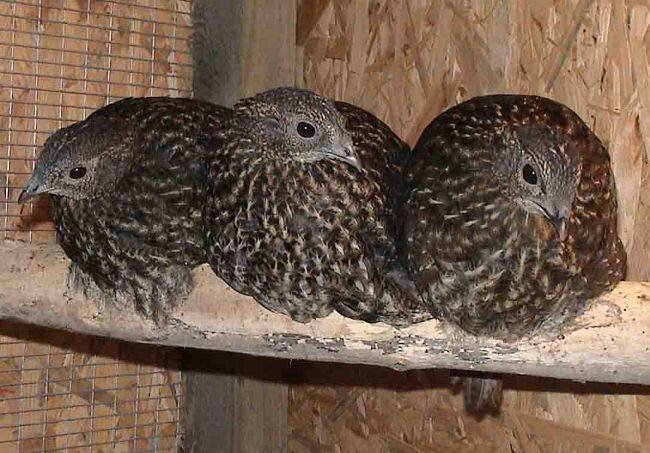
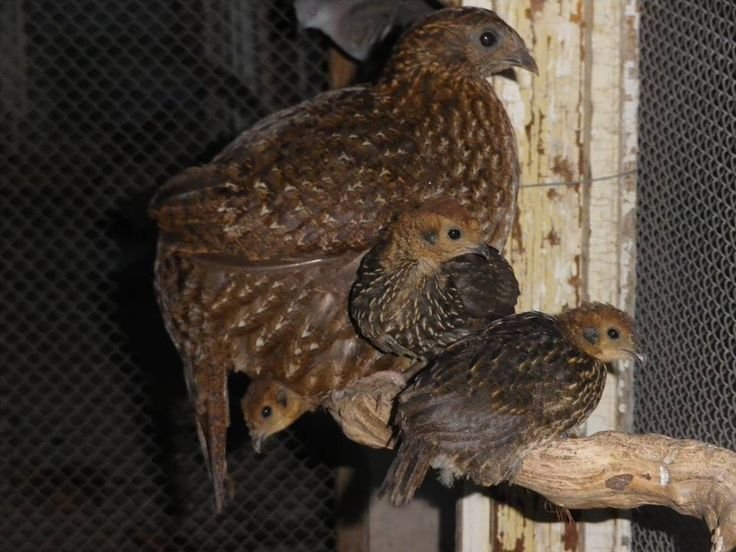
Males are unmistakable — a stocky, red-orange body covered in white-spotted plumage. Females are far more subdued, with mottled brown feathering that provides camouflage while nesting on the forest floor.
Keeping Them in an Aviary
These are shy, ground-foraging birds that do best with dense planting, secluded cover, and minimal disturbance — conditions that echo their native bamboo-and-rhododendron understory. A varied diet of greens, seeds, fruit, and protein, alongside a quality gamebird feed, supports their coloring and overall condition.
Similar Birds Worth Exploring
- Golden Pheasant
- Indian Blue Peafowl
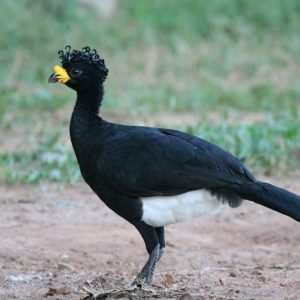
- Yellow-Knobbed Curassow
- West African Crowned Crane
- See All Birds for Sale
Buyer Questions
🎭 Why does the male inflate that blue pouch?
It’s a courtship display — the lappet and horns are used together to attract females during breeding season.
🏔️ Can they handle cold climates?
Yes, they’re naturally adapted to cool mountain forest conditions, though shelter from extreme wind and wet is still important.
🌿 What kind of aviary setup do they need?
Dense planting and secluded cover matter more than sheer size — they’re naturally shy and prefer places to hide.