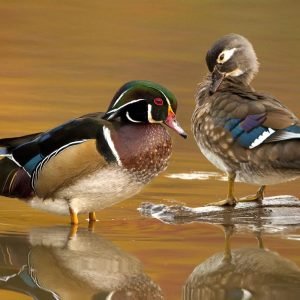
Ducks
Hardy, social waterfowl valued for their distinctive colours, active behaviour, natural foraging, and adaptability.
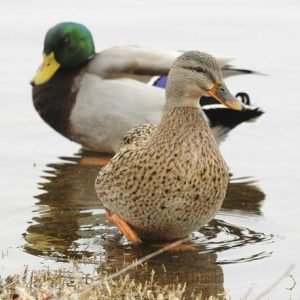
Ducks are versatile waterfowl found in wetlands, ponds, lakes, rivers, farmland, grasslands, and other suitable habitats. They come in many breeds and species, with differences in size, colour, temperament, and purpose. Domestic ducks mainly descend from the Mallard, while Muscovy Ducks have a separate domestic history. Therefore, choosing the right duck depends on its breed, environment, and care requirements.
Hardy & Adaptable
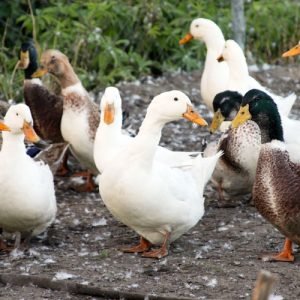
Domestic ducks are valued for their adaptability, foraging ability, social behaviour, and usefulness in backyard and farm environments.
Colourful & Distinctive
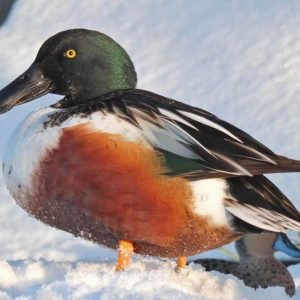
Ornamental and fancy ducks can feature unusual colours, patterns, crests, body shapes, and other distinctive characteristics.
Natural & Diverse
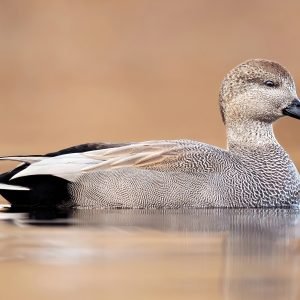
Wild duck species occupy wetlands, ponds, rivers, coastal areas, grasslands, woodland edges, and other natural habitats.
From quiet ponds to working farms, ducks have adapted to an impressive variety of environments.
Basic Duck Care
Ducks need clean drinking water, suitable duck feed, secure housing, and enough space to move and forage. They are omnivores, although their exact nutritional needs vary with breed, age, sex, and life stage. In addition, ducks benefit from safe access to water for bathing and natural behaviours. Keep food and water areas clean, and provide a dry, protected resting space. Duck-specific nutrition is important because ducks have different dietary requirements from chickens.
Duck FAQs
What are Ducks?
Ducks are waterfowl belonging mainly to the family Anatidae. They include many wild species and domesticated breeds with different colours, sizes, body shapes, and behaviours. Domestic ducks mainly descend from the Mallard, while the Muscovy Duck has a separate origin. Today, ducks can be found in farms, backyards, wetlands, ponds, parks, and other suitable environments. Therefore, the term Duck covers a diverse group rather than one single breed.
Are Ducks good pets?
Many domestic ducks can make enjoyable companion or backyard birds when their needs are properly met. They are generally social, active, curious, and good foragers. However, ducks require more space and water management than many traditional pets. They also produce considerable waste and need regular cleaning. Therefore, anyone keeping ducks should have secure outdoor space, suitable shelter, clean water, and an appropriate diet.
What do Ducks eat?
Ducks are omnivores and can eat a combination of plant and animal foods. Their natural diet can include grains, seeds, aquatic plants, insects, worms, snails, and other small organisms. For domestic ducks, a commercial feed formulated specifically for ducks is a better nutritional base than relying on kitchen scraps. Fresh greens and suitable vegetables can provide variety. Most importantly, ducks should always have access to clean water while eating.
Do Ducks need water for swimming?
Ducks need constant access to clean drinking water, while swimming water provides additional opportunities for natural behaviour. A suitable shallow pool or water area can allow ducks to bathe, clean their feathers, and exercise. However, the setup should provide easy entry and exit and should remain clean. Additionally, young or poorly feathered ducks need special care because they can become chilled or struggle in deep water.
What housing do Ducks need?
Ducks need a secure, dry resting area that protects them from predators, extreme weather, and other hazards. They also require enough outdoor space for walking, foraging, and normal movement. Good ventilation and clean bedding are important for a healthy environment. Furthermore, water areas should be managed carefully because ducks can quickly make their surroundings wet and dirty. Regular cleaning helps maintain good hygiene and reduces health risks.
Can Ducks live with other Ducks?
Yes, many ducks are social birds and naturally live in pairs, family groups, or larger flocks. Keeping compatible ducks together can support normal social behaviour. However, the number of birds should match the available space and resources. Introductions should be gradual, and owners should watch for aggression or competition. Also, male-to-female ratios matter because excessive mating pressure can cause problems within a flock.
What should I consider before buying a Duck?
Before buying a Duck, consider its breed, adult size, temperament, diet, housing requirements, and expected lifespan. You should also plan for clean drinking water, appropriate bathing facilities, secure shelter, and regular enclosure cleaning. Furthermore, ducklings have different nutritional and environmental needs from adults. Choose a suitable breed for your available space and source your birds responsibly. With proper planning, ducks can be active and rewarding additions to a suitable backyard or smallholding.