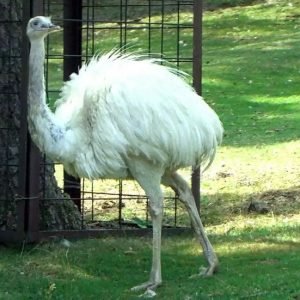
Emus Birds
Australia’s tallest native birds, recognised for their powerful legs, shaggy feathers, impressive size, and remarkable running ability.
Emus Birds are large, flightless birds native to Australia. The Common Emu, Dromaius novaehollandiae, can reach almost 2 metres in height and has long, powerful legs adapted for running. Their small wings cannot support flight, but their strong bodies allow them to travel efficiently across large areas. Therefore, Emus are best understood as specialised Australian ground birds rather than typical flying birds.
Tall & Distinctive
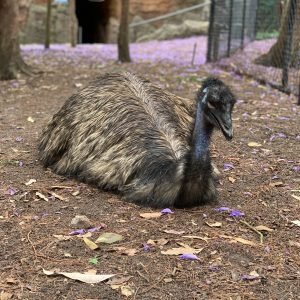
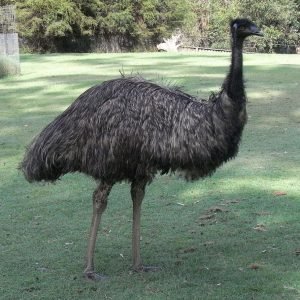
Emus have shaggy grey-brown feathers, long necks, reduced wings, and strong three-toed feet.
Active & Adaptable
Emus move according to food and water availability and can travel considerable distances across their range.
Plants & Insects
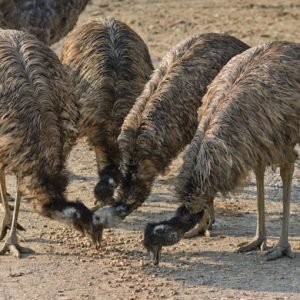
Their varied diet includes fruits, seeds, plants, growing shoots, insects, and other small food items.
Flightless does not mean slow: the Emu is built for powerful movement across Australia’s open landscapes.
Emu Habitat & Care
Emus are large, active birds that need substantial space for movement and foraging. Their natural habitats include savanna woodland, sclerophyll forest, grassland, and other open environments. In managed settings, they require secure land, suitable shelter, appropriate nutrition, clean water, and strong fencing. Because of their size and powerful legs, safe enclosure design is especially important.
Emu Birds FAQs
What is an Emu Bird?
An Emu is a large, flightless bird native to Australia. The living species is the Common Emu, scientifically known as Dromaius novaehollandiae. It is Australia’s tallest native bird and can reach around 1.6 to 2 metres in height. Emus have small reduced wings, long necks, powerful legs, and three-toed feet. Unlike flying birds, they rely on their strong legs for movement and can run at speeds approaching 50 kilometres per hour.
Where do Emus live?
Emus live throughout much of mainland Australia. They occur in habitats such as savanna woodland, sclerophyll forest, grassland, shrubland, and open country. They generally avoid dense rainforest and extremely arid areas. Furthermore, Emus can move across large distances when food or water becomes limited. As a result, their distribution can change with seasonal and environmental conditions.
What do Emus eat?
Emus are omnivorous birds with a varied diet. They eat fruits, seeds, grasses, growing plant shoots, flowers, herbs, and other vegetation. They also consume insects and other small food items when available. Their diet changes with seasonal food availability. Therefore, Emus can adapt their feeding behaviour as conditions change across Australia’s different landscapes.
How fast can an Emu run?
Emus are powerful runners and can reach speeds of around 50 kilometres per hour. Their long legs and three-toed feet provide strong forward movement across open ground. In addition, their running ability helps them travel between feeding areas and respond quickly to threats. Their wings are greatly reduced, so running is their primary form of fast movement.
How big do Emus get?
Adult Emus can reach around 1.6 to 2 metres in height, making them Australia’s tallest native birds. They have long necks, powerful legs, and a large body covered in shaggy grey-brown feathers. Their size means they require considerably more space and stronger enclosure systems than ordinary domestic birds. Therefore, their housing needs should be planned around their adult size.
How do Emus reproduce?
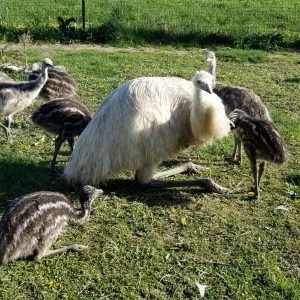
Female Emus lay large dark green eggs in a ground nest made from vegetation. A typical clutch contains several eggs, with the Australian Museum reporting around 5 to 15 eggs. After egg-laying, the male takes responsibility for incubation. He can remain on the nest for around 55 days and largely stops feeding and drinking during incubation. After hatching, the male also cares for the striped chicks.
Are Emus endangered?
The Common Emu, Dromaius novaehollandiae, is currently classified as Least Concern on the IUCN Red List. Its mainland Australian population remains widespread. However, some historical populations have disappeared, including the Tasmanian Emu and two dwarf island emu species that became extinct. Therefore, it is important to distinguish the living Common Emu from these extinct island forms.