Lory
Colourful, active parrots recognised for their brush-tipped tongues, nectar-rich diet, vivid plumage, and energetic personalities.
Lories are colourful parrots found mainly across Australia, Indonesia, Papua New Guinea, and the Pacific region. They belong to the same broader group as lorikeets and are specially adapted for feeding on nectar, pollen, flowers, and soft fruits. Their brush-tipped tongues help them collect liquid and soft foods from blossoms. As a result, lories have different dietary and care requirements from many seed-focused parrots.
Brilliant Plumage
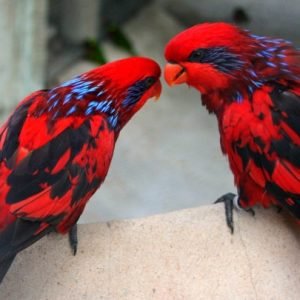
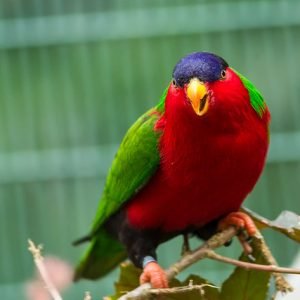
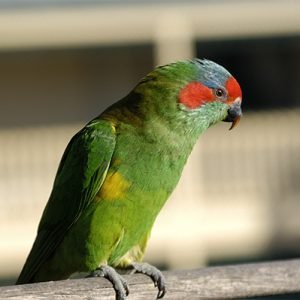
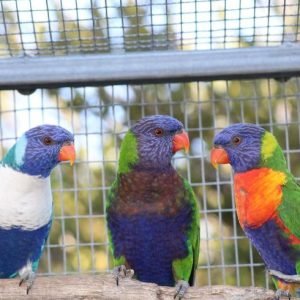
Many lories display intense reds, greens, blues, yellows, and purples. Their vivid colours make them especially popular among bird enthusiasts.
Specialised Diet
Their specialised tongues help them feed efficiently on nectar, pollen, flowers, and soft fruits. Their diet needs careful management in captivity.
Social & Energetic
Lories are active and intelligent birds that benefit from regular interaction, exercise, enrichment, and opportunities to explore.
Bright feathers, energetic movement, and a brush-tipped tongue make lories among the most distinctive parrots in the bird world.
Basic Lory Care
Lories require specialised care because their natural diet differs from that of many other parrots. Provide an appropriate nectar or lory formulation together with suitable fresh foods recommended for the species. Clean drinking water should always be available. In addition, give them a spacious, secure enclosure with sturdy perches, climbing opportunities, and safe enrichment. Lories can produce more liquid waste because of their fruit- and nectar-based diet, so regular cleaning is essential. Daily interaction and exercise also help support their physical and mental wellbeing.
Lory FAQs
What is a Lory?
A Lory is a colourful parrot from the lory and lorikeet group. These birds are naturally adapted to feeding on nectar, pollen, flowers, and soft fruits. Their brush-tipped tongues help them collect these foods efficiently. Lories occur across parts of Australia, Indonesia, Papua New Guinea, and the Pacific islands. Different species vary greatly in colour, size, behaviour, and conservation status, so their individual care requirements can also differ.
What do Lories eat?
Lories naturally feed on nectar, pollen, flowers, and soft fruits. Some species also consume seeds and other plant material. Their specialised tongue is particularly well suited to collecting nectar from blossoms. In captivity, however, fruit alone does not provide a complete diet. A properly formulated lory or nectar diet should form the nutritional foundation, with suitable fresh foods added according to the species and veterinary guidance.
Are Lories good pets?
Lories can be engaging companion birds for experienced keepers. They are intelligent, active, colourful, and often highly interactive. However, they require more specialised feeding and cleaning than many common parrots. Their liquid-rich diet can also make enclosure maintenance more demanding. Therefore, prospective owners should understand their dietary, social, exercise, and hygiene needs before choosing a Lory as a companion bird.
Why do Lories have brush-tipped tongues?
Lories have specialised brush-like structures on the tips of their tongues. These structures help them collect nectar and pollen from flowers. This adaptation is closely connected to their natural feeding behaviour. Because their diet is so different from that of many seed-eating parrots, their nutritional care also requires greater attention. The specialised tongue is one of the features that makes lories unique among parrots.
Do Lories need a large cage?
Yes. Lories are active birds that need enough room to climb, move, stretch their wings, and play. A secure enclosure should include suitable perches at different levels and safe toys that encourage natural behaviours. Daily supervised exercise outside the enclosure can provide additional activity when appropriate. Furthermore, strong construction and secure doors are important because intelligent parrots can investigate and manipulate their surroundings.
Are Lories noisy?
Lories can be vocal, particularly when communicating with people or other birds. Their calls can be sharp and energetic, so noise level should be considered before bringing one home. Individual species and birds can vary considerably. Providing sufficient exercise, enrichment, social interaction, and a predictable routine can support healthy behaviour, although these needs do not eliminate normal parrot vocalisation.
What should I consider before buying a Lory?
Before buying a Lory, identify the exact species and learn its specific diet, adult size, temperament, and conservation status. Next, prepare a suitable enclosure, specialised food, clean water, enrichment, and a practical cleaning routine. You should also confirm applicable ownership and wildlife regulations before acquiring the bird. Most importantly, choose a responsible source and make sure you can provide consistent daily care throughout the bird’s long-term life.