
Description
Peach & Golden Pheasant for Sale
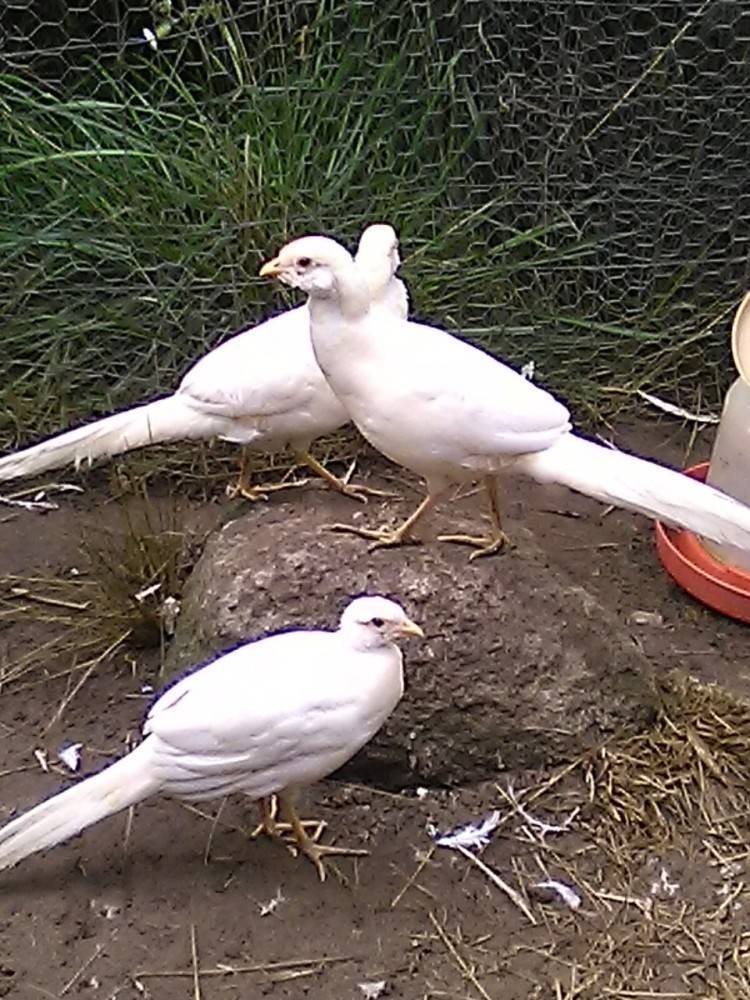
The Golden Pheasant needs little introduction — its blazing crest and cascading orange cape have made it one of the most recognizable gamebirds in the world. What surprises many buyers is that “Peach” isn’t a different species at all. It’s a captive color mutation of the same bird, prized for its softer, warm-toned plumage.
Peach vs. Classic Golden: Side by Side
| Trait | Classic Golden (Red) | Peach Morph |
|---|---|---|
| Body Color | Vivid scarlet-red | Soft peach-orange |
| Crest | Bright golden-yellow | Pale gold, slightly muted |
| Rarity in Aviculture | Common, widely bred | Less common, sought by collectors |
| Care Needs | Identical | Identical |
Native Habitat
Both color forms trace back to the same wild bird, native to the mountainous forests of western and central China. In the wild, Golden Pheasants favor dense undergrowth and forest edges, spending most of their time foraging on the ground rather than in flight.
Behavior & Aviary Care
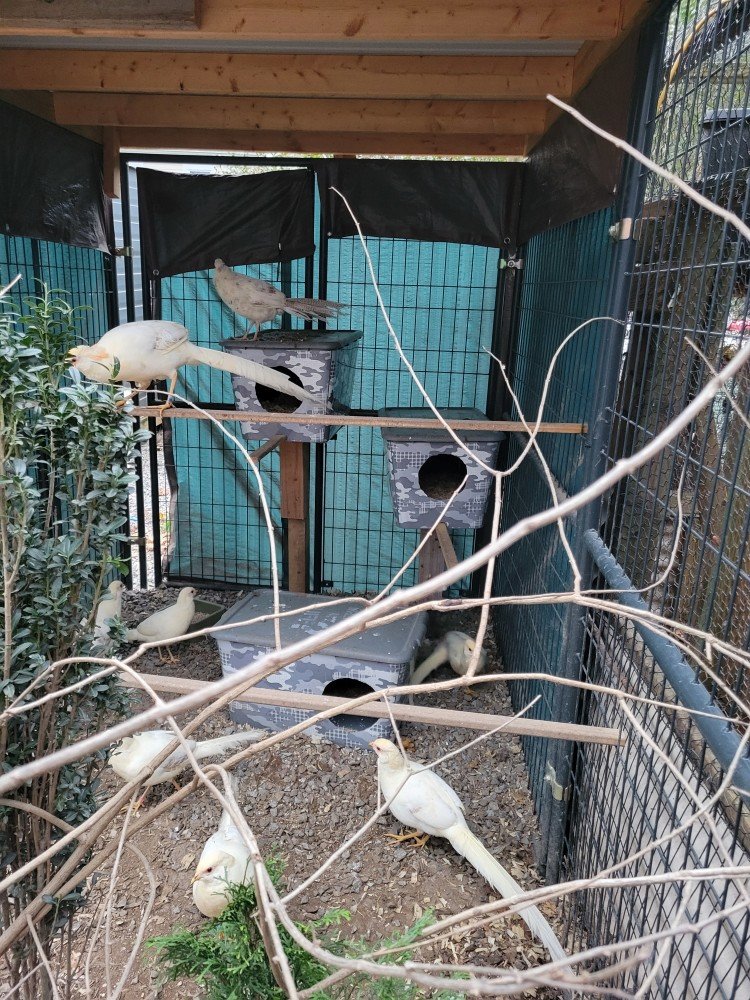
Golden Pheasants — in any color form — are hardy and relatively easy to keep compared to other ornamental pheasants, which is part of why they’re such a popular entry point into pheasant keeping. They do best with a planted aviary offering cover to retreat into, along with a gamebird feed supplemented with greens and grain.
Pair Well With
- Temminck’s Tragopan
- Indian Blue Peafowl
- Kenyan Crested Guineafowl
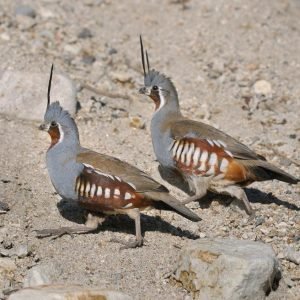
- Mearns Quail
- See All Birds for Sale
Buyer Questions
🍑 Is Peach a separate species?
No — it’s a color mutation of the Golden Pheasant, not a distinct species.
🐓 Do Peach and Golden Pheasants need different care?
No, their housing, diet, and temperament needs are identical — only the coloring differs.
❄️ Are they hardy in cooler climates?
Yes, Golden Pheasants are considered one of the hardier ornamental pheasant species, tolerating a range of temperatures well.