Macaw
Powerful, colourful parrots known for their intelligence, strong beaks, long tails, social nature, and remarkable personalities.
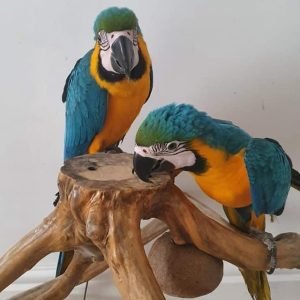
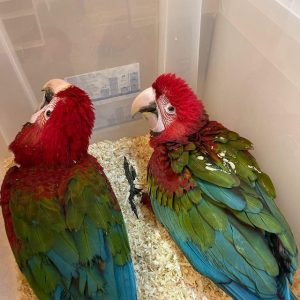
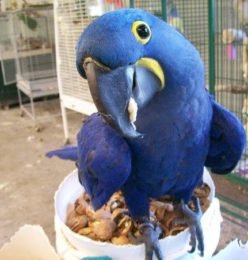
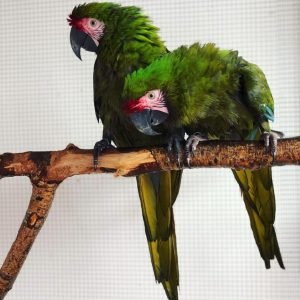
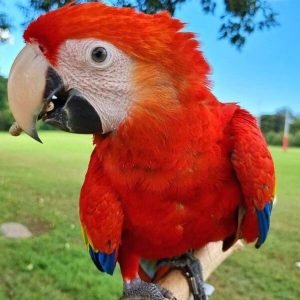
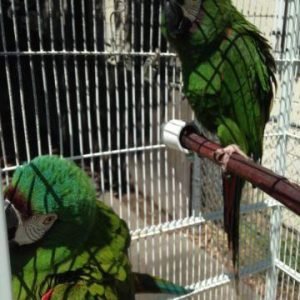
Macaws are among the most recognisable parrots in the world. They are known for their brilliant plumage, large curved beaks, long tails, strong feet, and highly social behaviour. The group includes well-known species such as the Blue-and-yellow Macaw, Scarlet Macaw, Hyacinth Macaw, Green-winged Macaw, Military Macaw, and several smaller macaws. Because species differ considerably in size, behaviour, and conservation status, each Macaw requires care suited to its individual needs.
Powerful & Majestic
Large species such as Blue-and-yellow, Scarlet, Green-winged, and Hyacinth Macaws combine impressive size with powerful beaks and long tails.
Compact & Active
Smaller macaws can have many of the same lively characteristics as their larger relatives while generally requiring less physical space.
Brilliant Plumage
Macaws display an extraordinary range of blues, reds, greens, yellows, and other vivid colours, making them especially striking parrots.
Bold colours, powerful beaks, intelligent minds, and unforgettable personalities make macaws true icons of the parrot world.
Basic Macaw Care
Macaws need substantial space for movement, exercise, climbing, and wing stretching. Their enclosure must also be strong enough to withstand their powerful beaks. Provide sturdy perches, bird-safe chewing materials, and varied enrichment to encourage natural behaviours. A balanced diet should include appropriate formulated food alongside suitable fresh foods such as vegetables and selected fruits. Fresh water must always be available. Because macaws are intelligent and highly social, they also need regular interaction, mental stimulation, and consistent daily care. The World Parrot Trust highlights space, varied nutrition, exercise, enrichment, and social interaction as important parts of responsible parrot care. :chatgpt-content-reference{index=”1″}
Macaw FAQs
What is a Macaw?
A Macaw is a large or medium-sized New World parrot recognised by its long tail, strong curved beak, colourful plumage, and intelligent behaviour. Macaws occur naturally across parts of Central and South America and the Caribbean region. The group includes many different species, including Blue-and-yellow, Scarlet, Green-winged, Military, Hyacinth, and several smaller macaws. Each species has its own habitat, appearance, diet, and conservation requirements.
Are Macaws good pets?
Macaws can form strong relationships with experienced caregivers, but they are demanding companion birds. They need considerable space, daily interaction, mental stimulation, exercise, and a carefully managed diet. In addition, their powerful beaks can cause serious damage to unsuitable cages, furniture, or toys. Therefore, a Macaw should not be chosen simply because of its beautiful appearance. Responsible ownership requires substantial time, knowledge, and long-term commitment. :chatgpt-content-reference{index=”2″}
What do Macaws eat?
Macaw diets vary by species, but wild macaws commonly consume fruits, seeds, nuts, flowers, and other plant foods. In captivity, a balanced diet should provide appropriate formulated nutrition together with suitable fresh vegetables and controlled amounts of fruit and other species-appropriate foods. Avoid relying on seeds alone because they may not provide balanced nutrition. Fresh, clean drinking water should always be available. :chatgpt-content-reference{index=”3″}
How big does a Macaw get?
Macaw size varies significantly between species. Some smaller macaws are relatively compact, while large species can have very long bodies and tails and require exceptionally spacious housing. For example, the Hyacinth Macaw is considerably larger than the Red-shouldered Macaw. Therefore, cage size, perch dimensions, exercise requirements, and diet should always be planned around the exact species rather than using one general Macaw standard.
Do Macaws need a large cage?
Yes. Macaws need spacious housing that allows them to move freely, stretch their wings, climb, and interact with enrichment. Larger species require especially substantial enclosures. Strong construction is also essential because macaws have powerful beaks and can quickly damage weak materials. Ideally, provide additional safe exercise and flight opportunities outside the enclosure when the environment is properly secured. :chatgpt-content-reference{index=”4″}
Are Macaws noisy?
Yes, Macaws can be loud and highly vocal. Their calls are a natural part of communication and social behaviour. Noise levels can vary between species and individual birds. Consequently, anyone considering a Macaw should think carefully about neighbours, household environment, and daily routines before bringing one home. Providing appropriate social interaction, exercise, and enrichment supports healthy behaviour, although it cannot remove normal parrot vocalisation.
What should I consider before buying a Macaw?
Before buying a Macaw, identify the exact species and research its adult size, temperament, diet, housing requirements, lifespan, and conservation status. Next, prepare a secure and spacious enclosure with suitable enrichment. You should also confirm local ownership and wildlife regulations before acquiring the bird. Most importantly, choose a responsible source and avoid wild-caught birds. Supporting ethical, conservation-conscious aviculture helps reduce pressure on wild populations. :chatgpt-content-reference{index=”5″}