Description
West African Crowned Crane
Golden crown. Elaborate dance. A voice that carries across the wetlands.
Vulnerable (IUCN)
Native: Senegal to Chad
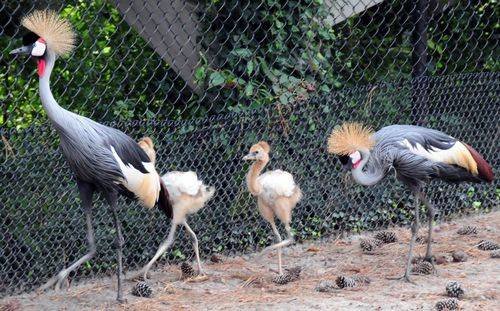
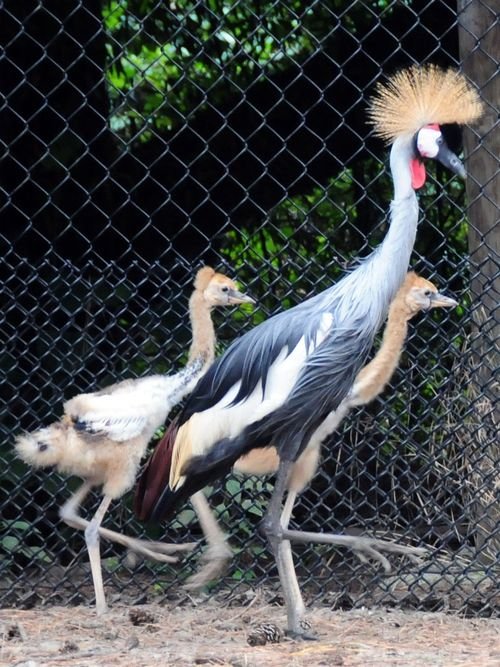
The West African Crowned Crane carries its crown quite literally — a halo of stiff, golden bristle feathers that catches the light as it moves. Standing over three feet tall with a wingspan pushing six and a half feet, it’s one of the more commanding wetland birds on the continent, and one of the most culturally significant: it’s Nigeria’s national bird.
The Dance
Courtship here isn’t subtle. Pairs bow, leap, flap their wings, and toss grass or feathers into the air in a display so theatrical it’s often described as genuinely joyful to watch — not just a mating ritual, but a bonding behavior these cranes repeat throughout the year, not only during breeding season.
The Call
Their voice matches their presence — a deep, resonant “honk, ka-wonk, ka-wonk” that carries well beyond the wetland edge. It’s one of the easiest ways to locate a pair before you ever see them.
Why Numbers Are Falling
| Wetland Loss | Drainage for agriculture removes core breeding and feeding habitat |
| Hunting | Targeted for meat and feathers in parts of its range |
| Illegal Capture | Wild-caught birds are sometimes taken for the pet and collector trade |
Compliance Note
This species is listed under CITES Appendix I, the strictest international trade category. Any transaction involving this bird requires proper permits and documentation confirming a legal, captive-bred source — buyers should always request this paperwork before purchase.
Other Striking Birds to Explore
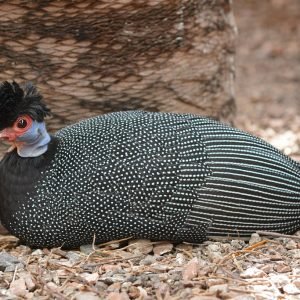
- Kenya Crested Guineafowl
- Crested Screamer
- Indian Blue Peafowl
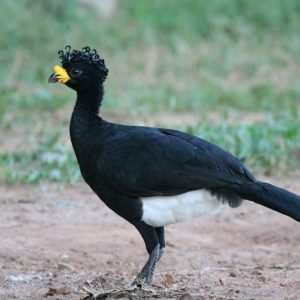
- Yellow-Knobbed Curassow
- See All Birds for Sale
Buyer Questions
📋 What documentation should I ask for?
Proof of legal, captive-bred origin and any required CITES permits — never proceed without this paperwork.
💃 Do they only dance during breeding season?
No — the display behavior happens year-round and also serves as a general bonding ritual between pairs.
🌾 What kind of habitat do they need in captivity?
Access to shallow water, open ground for foraging, and space to move freely helps replicate their natural wetland environment.