Mynah Birds
Intelligent, vocal birds known for their glossy plumage, bright facial features, adaptability, and remarkable ability to imitate sounds.
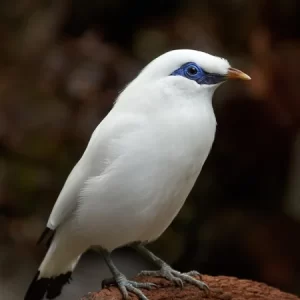
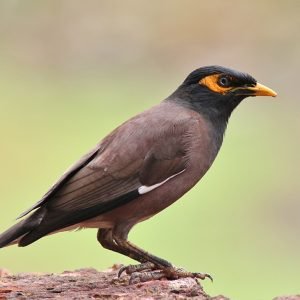
Mynah Birds, also spelled Myna Birds, are members of the starling family and include several species found across South and Southeast Asia and other regions. Common Myna, Jungle Myna, Bank Myna, and Hill Mynas are among the best-known examples. Depending on the species, they can live in forests, gardens, agricultural areas, grasslands, and urban environments. Mynas are especially recognised for their active behaviour, varied calls, and impressive vocal abilities. ([datazone.birdlife.org](https://datazone.birdlife.org/country/factsheet/nepal?utm_source=chatgpt.com))
Adaptable & Active
Common and related mynas are highly adaptable birds often seen around open landscapes, gardens, farms, and human settlements.
Vocal & Expressive
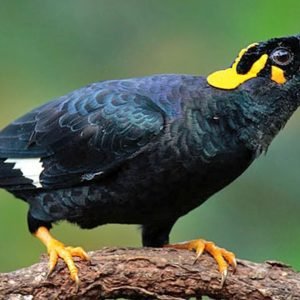
Hill Mynas are admired for their rich calls and ability to imitate sounds, making them particularly well known among bird enthusiasts.
Curious & Social
Mynas are alert, active birds that use calls, movement, and social behaviour to communicate with other birds.
A lively personality, glossy plumage, and remarkable voice make Mynah Birds especially fascinating members of the starling family.
Basic Mynah Bird Care
Mynah Birds need a spacious, secure environment that allows them to move, climb, explore, and remain mentally active. Their diet should be based on suitable softbill or mynah-specific nutrition rather than a seed-only diet. Fresh fruits and other appropriate foods can provide variety, depending on the species. Clean drinking water should always be available. In addition, provide safe perches, enrichment, regular cleaning, and opportunities for natural foraging behaviour. Because mynas are intelligent and highly vocal, daily interaction and stimulation are important for birds kept under human care.
Mynah Bird FAQs
What is a Mynah Bird?
A Mynah Bird is a member of the starling family, Sturnidae. The name includes several species, including Common Myna, Jungle Myna, Bank Myna, and Hill Mynas. These birds vary in appearance and habitat, but many share strong vocal abilities, active behaviour, and an adaptable nature. BirdLife lists several myna species within the starling group, including Common Myna, Bank Myna, Jungle Myna, and Common Hill Myna. ([datazone.birdlife.org](https://datazone.birdlife.org/country/factsheet/nepal?utm_source=chatgpt.com))
What do Mynah Birds eat?
Mynah diets vary between species, but many naturally eat fruits, insects, invertebrates, and other soft foods. Their feeding behaviour differs from that of seed-focused parrots. Captive Mynah Birds should receive a nutritionally balanced softbill or mynah-specific diet, along with suitable fresh foods where appropriate. Avoid relying on a seed-heavy diet because it may not provide the nutritional balance these birds require. Fresh, clean water should also be available at all times.
Can Mynah Birds talk?
Yes, some Mynah Birds are excellent vocal mimics. Hill Mynas are particularly well known for their ability to reproduce human speech and other sounds. However, individual ability varies considerably. A bird may copy whistles, household noises, calls, or words depending on its environment and interaction. Vocal imitation should therefore be viewed as a natural ability rather than something that every Mynah will develop to the same level.
Are Mynah Birds good pets?
Some Mynah Birds can become engaging companion birds, but they require specialised care. They are intelligent, active, social, and often very vocal. Their nutritional needs also differ from those of many commonly kept parrots. Therefore, potential owners should understand their diet, housing, hygiene, noise level, and long-term care requirements before choosing one. Species and local wildlife regulations should also be checked before acquisition.
What kind of cage does a Mynah Bird need?
Mynah Birds need a spacious and secure enclosure that allows them to move freely and exercise. Provide several safe perches, enrichment items, and enough room to change positions comfortably. Because mynas can be active and messy eaters, the enclosure should also be easy to clean. Strong security is important as well. Daily opportunities for supervised activity can provide additional physical and mental stimulation.
Are Mynah Birds noisy?
Mynah Birds can be quite vocal. Their natural communication includes calls, whistles, and other sounds, while some individuals can also imitate noises from their surroundings. Hill Mynas are especially recognised for their vocal abilities. Consequently, noise should be considered before keeping one in a home. Regular interaction, enrichment, and a suitable routine can support healthy behaviour, but they will still produce normal species-specific vocalisations.
What should I consider before buying a Mynah Bird?
Before buying a Mynah Bird, identify the exact species and research its adult size, diet, temperament, vocal behaviour, housing needs, and conservation status. Next, confirm that keeping the species is legal in your location. This is particularly important because some myna species have experienced significant pressure from trapping and trade. BirdLife has documented substantial wild-caught trade involving the Common Hill Myna, so responsible sourcing and legal, captive-bred birds are especially important. ([birdlife.org](https://www.birdlife.org/wp-content/uploads/2021/02/birds_and_biodiversity_targets_report.pdf?utm_source=chatgpt.com))