Poicephalus
A diverse group of African parrots admired for their compact build, intelligence, expressive personalities, and beautiful natural colours.
Poicephalus is a genus of African parrots that includes several well-known species kept in aviculture, such as the Senegal Parrot, Meyer’s Parrot, Brown-headed Parrot, Rüppell’s Parrot, Red-bellied Parrot, and Cape Parrot. These parrots vary in size, plumage, habitat, and temperament. Many are associated with woodland, savanna, dry forest, or other African habitats. As a result, each Poicephalus species should be considered individually when planning nutrition, housing, enrichment, and conservation-conscious care. ([parrots.org](https://parrots.org/wp-content/uploads/2025/02/New-Parrot-Owners-Guide.pdf?utm_source=chatgpt.com))
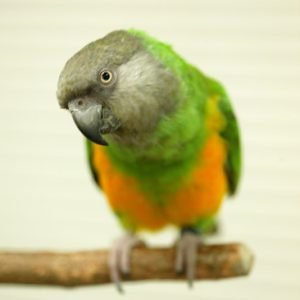
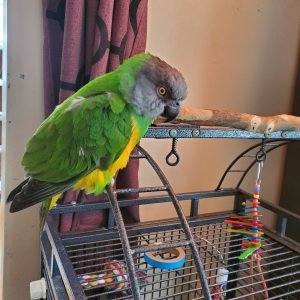
Senegal & Meyer’s
Senegal and Meyer’s Parrots are among the best-known Poicephalus parrots, combining compact size with active and intelligent personalities.
Rüppell’s & Red-bellied
These species show the diversity within the genus, with distinctive plumage, geographic ranges, behaviours, and habitat preferences.
Woodland Specialists
Many Poicephalus parrots are associated with African woodland and savanna habitats, where they forage for seeds, fruits, nuts, buds, and other plant foods.
Compact bodies, strong personalities, and remarkable diversity make Poicephalus parrots a fascinating group of African birds.
Basic Poicephalus Care
Poicephalus parrots need secure housing with enough room for climbing, exercise, wing movement, and play. Provide sturdy perches, safe chewing materials, foraging opportunities, and varied enrichment. Their diet should be balanced and species-appropriate, with suitable formulated nutrition supplemented by fresh vegetables, fruits, seeds, nuts, or other foods according to the individual species. Fresh water should always be available. Because these parrots are intelligent and social, regular interaction and mental stimulation are also important. The World Parrot Trust notes that Poicephalus parrots form a distinct African parrot group and that care requirements can vary between species and individual birds. ([parrots.org](https://parrots.org/wp-content/uploads/2025/02/New-Parrot-Owners-Guide.pdf?utm_source=chatgpt.com))
Poicephalus FAQs
What is a Poicephalus Parrot?
Poicephalus is a genus of African parrots containing several species with different appearances and natural histories. Well-known members include Senegal Parrots, Meyer’s Parrots, Rüppell’s Parrots, Red-bellied Parrots, Brown-headed Parrots, and Cape Parrots. They are generally compact parrots with strong beaks and intelligent, active behaviour. Because the genus contains multiple species, their exact diet, habitat, size, and care requirements can differ.
Which parrots belong to the Poicephalus group?
Several familiar African parrots belong to the Poicephalus genus. Examples include Senegal Parrot, Meyer’s Parrot, Brown-headed Parrot, Rüppell’s Parrot, Red-bellied Parrot, Jardine’s Parrot, Cape Parrot, and Yellow-fronted Parrot. The exact taxonomic treatment of some birds can change as ornithological research develops. Therefore, species names and classifications should be checked against current authoritative sources when preparing a detailed species page.
What do Poicephalus Parrots eat?
Poicephalus diets vary by species and natural habitat. Meyer’s Parrots, for example, feed on fruits, nuts, seeds, and some legumes, while Rüppell’s Parrots consume plant material including buds, shoots, flowers, seeds, pods, and fruit. Captive birds should receive balanced nutrition rather than a seed-only diet. Fresh vegetables, appropriate fruits, and species-specific foods can provide variety. ([parrots.org](https://parrots.org/projects/meyers-parrot-research/?utm_source=chatgpt.com))
Are Poicephalus Parrots good pets?
Some Poicephalus species can make rewarding companion birds for experienced keepers. They are intelligent, active, and capable of forming strong relationships with people. However, their needs extend beyond food and a cage. They require daily enrichment, exercise, social interaction, safe chewing opportunities, and appropriate veterinary care. Therefore, the exact species should be researched before choosing a Poicephalus as a companion.
How large are Poicephalus Parrots?
Poicephalus parrots vary in size between species. Rüppell’s Parrot, for example, is around 22 cm long and weighs approximately 105–132 grams. Other members of the genus are larger and require correspondingly more spacious housing. Therefore, cage dimensions, perch sizes, toys, and exercise arrangements should always be selected according to the exact species rather than applying one standard to every Poicephalus parrot. ([parrots.org](https://parrots.org/encyclopedia/ruppells-parrot/?utm_source=chatgpt.com))
Are Poicephalus Parrots noisy?
Poicephalus parrots use calls and vocalisations to communicate, but their vocal behaviour varies between species. Rüppell’s Parrot, for example, is described by the World Parrot Trust as quieter than other Poicephalus species. Individual birds can also differ in their vocal habits. Consequently, prospective owners should research the exact species rather than assuming that every Poicephalus parrot has the same noise level. ([parrots.org](https://parrots.org/encyclopedia/ruppells-parrot/?utm_source=chatgpt.com))
What should I consider before buying a Poicephalus Parrot?
Before buying a Poicephalus Parrot, first identify the exact species and research its adult size, diet, temperament, vocal behaviour, lifespan, housing, and conservation status. Next, prepare a secure enclosure with suitable perches and enrichment. You should also confirm local ownership requirements and choose a responsible, legal source. Wild-caught parrots should be avoided because trapping and wildlife trade can place additional pressure on wild populations. Responsible captive care should always support both bird welfare and conservation. ([parrots.org](https://parrots.org/about-wpt/fighting-wildlife-trade/?utm_source=chatgpt.com))