Peafowl and Peacock
Magnificent ground-dwelling birds celebrated for their brilliant plumage, elaborate displays, distinctive calls, and graceful presence.
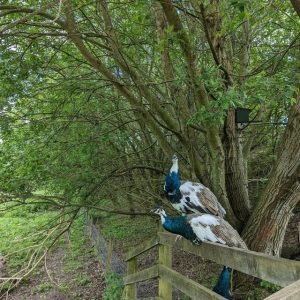
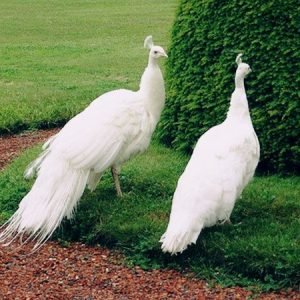
Peafowl are large, colourful birds best known for the spectacular display of the male Peacock. The female is called a peahen, while the young are known as peachicks. The group includes the Indian Peafowl, Green Peafowl, and Congo Peafowl. Male peafowl are especially famous for their long ornamental upper-tail coverts, which they fan during courtship displays. Their striking appearance, active behaviour, and distinctive calls have made peafowl popular in gardens, estates, parks, and managed collections.
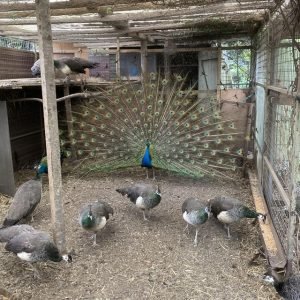
Brilliant Male
The male Peacock is recognised for its iridescent plumage and spectacular fan-shaped display of elongated upper-tail coverts.
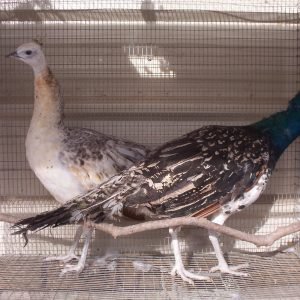
Elegant Female
Female Peafowl generally have more subdued plumage and play the central role in nesting, incubation, and raising young.
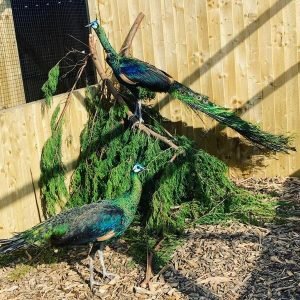
Indian & Green
Indian and Green Peafowl are the best-known species, while Congo Peafowl represents a distinct African member of the peafowl group.
Few birds create a more unforgettable spectacle than a Peacock opening its magnificent fan of iridescent feathers.
Basic Peafowl Care
Peafowl need spacious outdoor areas where they can walk, forage, rest, and display naturally. Provide secure fencing, suitable shelter, shaded areas, clean drinking water, and safe roosting opportunities. Their diet can include grains, seeds, plants, fruits, insects, and other appropriate foods, although managed birds benefit from a balanced formulated diet suited to their age and needs. In addition, keep their enclosure clean and provide protection from predators. Peafowl are active ground birds, so adequate space is essential for long-term wellbeing.
Peafowl and Peacock FAQs
What is the difference between a Peacock and Peafowl?
Peafowl is the general name for these birds, while Peacock specifically refers to the male. The female is called a Peahen, and young birds are called Peachicks. Male Peafowl are famous for their elaborate display feathers, which they spread into a large fan during courtship. Females generally have more subdued colours and do not develop the same spectacular train. Therefore, “Peafowl” is the correct term when referring to both males and females.
What do Peafowl eat?
Peafowl are opportunistic omnivores. Their natural diet can include seeds, grains, fruits, plants, insects, and other small food items. In managed environments, they should receive balanced nutrition rather than relying heavily on one food type. Fresh clean water should always be available. Suitable greens and other fresh foods can provide variety, while the exact diet should be adjusted according to the bird’s age, condition, and management system.
Why does a Peacock have a large colourful tail?
The Peacock’s famous train plays an important role in courtship. When displaying, the male raises and spreads his elongated upper-tail coverts into a large fan. The feathers feature prominent eye-like markings that create a striking visual effect. The display communicates information to potential mates and also makes the male one of the most visually recognisable birds in the world. Importantly, the long train is made of upper-tail coverts rather than the ordinary tail feathers themselves.
Can Peafowl fly?
Yes. Although Peafowl spend much of their time on the ground, they are capable of short, powerful flights. They can use their wings to escape threats, reach elevated roosting locations, and move between areas. Their large bodies and long display feathers limit sustained flight compared with many smaller birds. Secure fencing should therefore account for both their walking behaviour and their ability to fly or jump over obstacles.
Are Peafowl good pets?
Peafowl are better suited to spacious outdoor properties, farms, estates, parks, or specialised collections than typical homes. They can become accustomed to people, but they remain active birds with substantial space and management needs. Males can also be loud, particularly during breeding periods. Therefore, anyone considering Peafowl should have suitable land, secure housing, appropriate nutrition, and a plan for managing noise and neighbouring properties.
How much space do Peafowl need?
Peafowl need considerably more space than conventional cage birds. They should have room to walk, forage, display, exercise, and move away from other birds when necessary. A secure outdoor enclosure with shelter, shade, vegetation, and suitable roosting areas works well. Larger areas are especially valuable when keeping multiple birds. Good fencing also helps protect Peafowl from predators and prevents them from wandering into unsafe areas.
What should I consider before buying Peafowl?
Before buying Peafowl, identify the species and decide whether you want a male, female, or compatible group. Next, prepare sufficient outdoor space, secure fencing, shelter, food, water, and safe roosting areas. You should also consider the male’s large display feathers, vocal behaviour, breeding needs, and potential impact on neighbours. Finally, check local rules before acquisition and choose healthy birds from a responsible source. Good planning is essential because Peafowl are long-term outdoor animals rather than ordinary pet birds.