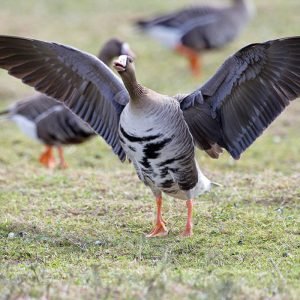
Geese
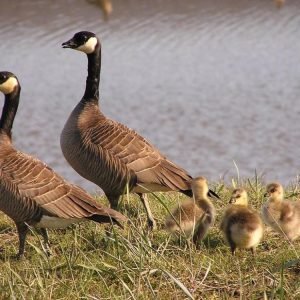
Large, social waterfowl recognised for their strong family bonds, distinctive calls, graceful movement, and adaptable nature.
Geese are large waterfowl found across wetlands, lakes, rivers, grasslands, agricultural areas, and coastal habitats. They include many wild species as well as domesticated breeds developed for farms, parks, and ornamental collections. Different geese vary considerably in size, colour, temperament, and habitat. Therefore, understanding the individual breed or species is important when choosing a goose.
Farm & Companion Birds
Domestic geese are kept in farms, homesteads, parks, and suitable private collections for their size, appearance, and hardy nature.
Distinctive & Attractive
Ornamental goose breeds can feature unusual colours, patterns, body shapes, or other characteristics valued by waterfowl keepers.
Wild & Diverse
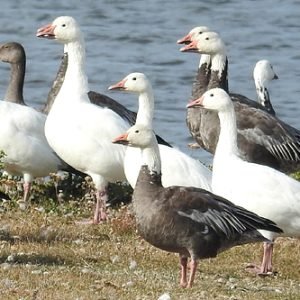
Wild goose species occupy habitats ranging from northern tundra and wetlands to grasslands, lakes, rivers, and coastal areas.
Strong family bonds, powerful voices, and an unmistakable presence make geese some of the most recognisable waterfowl.
Basic Goose Care
Domestic geese need spacious, secure housing with enough room to walk, graze, forage, and rest. They also require clean drinking water and suitable water access for bathing and natural behaviours. Their diet commonly includes grasses, plants, grains, and other suitable foods, although requirements vary by breed and life stage. In addition, provide dry shelter, secure fencing, clean bedding, and protection from predators. Because geese are social birds, compatible companionship and adequate space are also important.
Goose FAQs
What is a Goose?
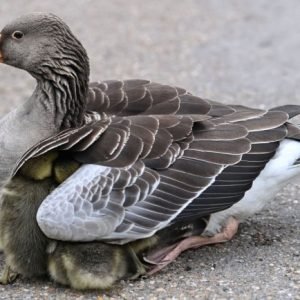
A Goose is a large waterfowl bird belonging to the family Anatidae. Geese include numerous wild species and domesticated breeds with different sizes, colours, habitats, and behaviours. Graylag Geese are among the important ancestors of domestic goose breeds, while the Swan Goose also contributed to domestication. Wild geese commonly live around wetlands, lakes, rivers, grasslands, and coastal environments. Therefore, “Goose” refers to a diverse group rather than one single breed.
Are Geese good pets?
Some domestic geese can become familiar and manageable around people, but they are not traditional indoor pets. They are large, active waterfowl that need outdoor space, secure shelter, suitable water access, and regular cleaning. In addition, geese can become territorial, particularly during breeding season. Therefore, they are better suited to farms, homesteads, and spacious private environments where their natural behaviours can be supported.
What do Geese eat?
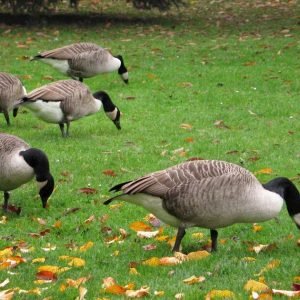
Many geese are primarily herbivorous and feed on grasses, sedges, leaves, roots, seeds, and other plant material. For example, Graylag Geese graze on grasslands and agricultural areas while also feeding on aquatic vegetation. Other species may include berries, grains, or additional foods in their diet. Domestic geese should receive suitable waterfowl nutrition rather than relying only on scraps or one type of grain. Fresh clean water should also remain available.
Do Geese need water for swimming?
Geese always need access to clean drinking water, while suitable bathing or swimming water provides additional opportunities for natural behaviour. A safe pond, pool, or water area can allow geese to bathe, clean their feathers, and exercise. However, the water must be managed carefully because geese can quickly contaminate small water sources. Provide easy entry and exit points, and keep the water and surrounding area clean.
What housing do Geese need?
Geese need secure outdoor space where they can walk, forage, graze, and interact naturally. Their shelter should protect them from extreme weather and predators while providing a dry resting area. Strong fencing is especially important because adult geese are powerful birds. Furthermore, keep bedding dry and remove waste regularly. A well-planned enclosure should provide enough room for every bird without creating excessive competition around food, water, or shelter.
Are Geese social birds?
Yes, many geese are highly social and naturally live in pairs, family groups, or larger flocks. They communicate through calls, body language, and coordinated movements. During the breeding season, pairs may become more territorial while protecting their nest and young. Therefore, domestic geese should have enough space to move away from one another when needed. Compatible companionship can also support normal social behaviour.
What should I consider before buying a Goose?
Before buying a Goose, consider its breed, adult size, temperament, diet, housing requirements, and social needs. You should also plan for secure fencing, clean water, suitable shelter, grazing or foraging space, and regular enclosure maintenance. Furthermore, check local rules before keeping waterfowl because requirements can vary by location and species. Most importantly, choose healthy birds from a responsible source and make sure your property can support their long-term welfare.