African Grey Parrot
African Grey Parrot for Sale Online
Looking for an African Grey Parrot for sale online? African Greys are widely considered the most intelligent parrot species, prized for sharp cognition, strong talking ability, and a genuinely long lifespan.
Two subspecies exist, the larger Congo African Grey and the smaller Timneh African Grey, and both require patient, experienced owners. With proper nutrition, daily mental stimulation, and verified captive-bred sourcing, an African Grey can become a lifelong companion.
Why Choose an African Grey Parrot?
Exceptional Intelligence
A Congo African Grey named Alex spent 30 years working with researcher Irene Pepperberg, demonstrating cognitive abilities that reshaped how scientists understand bird intelligence.
Two Subspecies to Choose From
The larger, lighter grey Congo African Grey and the smaller, darker Timneh African Grey offer two distinct looks with the same renowned intelligence.
A Genuine Long-Term Companion
With good care, African Greys commonly live 40 to 60 years, building a bond with their owner that can last a lifetime.
Protected and Responsibly Sourced
Both subspecies are Endangered and protected under CITES Appendix I, so every bird we offer traces back to verified, documented captive breeding.
African Grey Parrot FAQs
1. What’s the difference between a Congo and a Timneh African Grey?
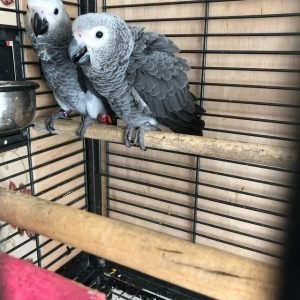
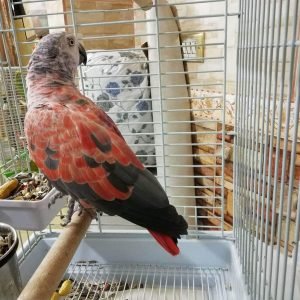
The Congo African Grey is larger, with lighter silver-grey plumage, a bright red tail, and a black beak. The Timneh African Grey is smaller, with darker charcoal-grey plumage, a maroon tail, and a horn-colored upper beak.
Both subspecies share the same renowned intelligence and talking ability, so the choice often comes down to size and appearance preference. See our Congo and Timneh pages for full details.
2. Are African Grey Parrots good pets?
They can be excellent companions for experienced, committed owners. Their intelligence means they thrive on daily training, problem-solving toys, and consistent interaction.
However, they are not low-maintenance. Without enough mental stimulation, African Greys can develop stress behaviors like feather plucking, so owners should be prepared for a genuinely engaged daily routine.
3. Can African Grey Parrots really talk?
Yes, African Greys are widely regarded as some of the best talking parrots available, often learning extensive vocabularies with clear pronunciation.
That said, every bird’s ability and interest in talking varies. Regular interaction and positive reinforcement encourage vocal development, but no two birds learn at the same pace.
4. Is it legal to buy an African Grey Parrot?
Yes, as long as the bird comes with documentation confirming captive-bred origin. Both subspecies are Endangered and protected under CITES Appendix I, the strictest international trade category.
Always request this documentation before purchasing, and avoid any seller who can’t provide clear proof of legal, captive-bred sourcing.
5. What do African Grey Parrots eat?
A quality pellet base, supplemented with fresh vegetables, suitable fruits, and occasional nuts, supports good health. A seed-only diet doesn’t provide the nutritional variety this species needs.
Fresh water should always be available, and since individual needs can vary, an avian veterinarian can offer specific dietary guidance for your bird.
6. How long do African Grey Parrots live?
With good care, African Greys commonly live 40 to 60 years, making them one of the longest-lived companion parrots.
Because of that lifespan, bringing one home is a genuine long-term responsibility that often spans decades of the owner’s life.
7. What should I consider before buying an African Grey?
Consider the daily time you can offer for interaction and training, since this species needs consistent mental engagement to stay well-adjusted. Also weigh housing space, diet, and long-term financial commitment.
Most importantly, always choose a responsibly sourced, captive-bred bird and confirm the legal requirements in your location, since this species carries strict trade protections.
Showing all 3 results