Swan Birds
Elegant waterfowl known for their long necks, graceful movement, powerful wings, and strong pair bonds.
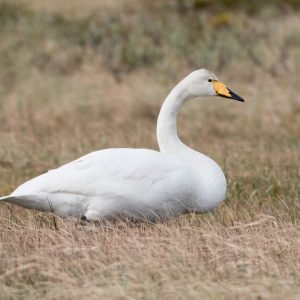
Swan birds are large waterfowl belonging to the duck and goose family, Anatidae. They are recognised by their long necks, broad bodies, webbed feet, and impressive wingspans. Different species live across lakes, rivers, wetlands, coastal waters, and other aquatic habitats. Mute Swans, Trumpeter Swans, and Tundra Swans are among the best-known species. Their diets are mainly plant-based, while their behaviour can include strong territorial defence and long-lasting pair bonds. :chatgpt-content-reference{index=”0″}
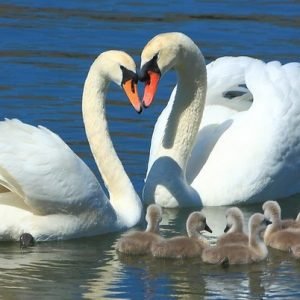
Mute Swan
The Mute Swan has white plumage, an orange bill with a black base, and a gracefully curved neck. It commonly inhabits lakes, ponds, rivers, and estuaries. :chatgpt-content-reference{index=”1″}
Trumpeter Swan
The Trumpeter Swan is one of the largest living flying waterfowl. It has white plumage, a black bill, and a strong preference for shallow wetlands and aquatic vegetation. :chatgpt-content-reference{index=”2″}
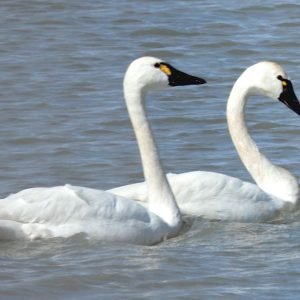
Tundra Swan
Tundra Swans are smaller than Trumpeter Swans and include distinctive North American populations. They use wetlands, lakes, rivers, and coastal areas during different parts of their annual cycle.
Graceful on the water, powerful in flight, and deeply connected to their wetland world.
Basic Swan Care
Swans are large waterfowl and need far more space than conventional pet birds. A suitable environment should provide clean water, safe land, adequate shelter, secure fencing, and room to move naturally. Their diet should reflect the needs of the particular species and should primarily include appropriate plant foods rather than relying on human handouts. Swans also need excellent water and enclosure hygiene. Furthermore, some species can become highly territorial, particularly around nests and young. Mute Swans, for example, can display aggressive behaviour toward other waterfowl and people that approach breeding areas. :chatgpt-content-reference{index=”3″}
Swan Birds FAQs
What is a Swan Bird?
A swan is a large waterfowl belonging to the family Anatidae, which also includes ducks and geese. Swans have long necks, heavy bodies, webbed feet, and strong wings. Several species occur around the world, and they use habitats ranging from freshwater lakes and rivers to wetlands and coastal waters. Their appearance and behaviour vary between species, so identifying the exact swan is important when discussing habitat, diet, or care.
What do Swans eat?
Most swans have a strongly plant-based diet. They commonly feed on aquatic vegetation, grasses, algae, roots, stems, and other plant material. Trumpeter Swans also forage on terrestrial plants and agricultural grains during parts of the year. Some species may occasionally consume small aquatic animals. Therefore, feeding should always follow the natural diet of the particular swan species. :chatgpt-content-reference{index=”4″}
Can Swans live without water?
Swans are strongly associated with aquatic habitats and depend on water for feeding, swimming, bathing, and other natural behaviours. Although they can walk and forage on land, a land-only environment is not suitable for maintaining normal swan behaviour. A proper enclosure should therefore provide sufficient clean water along with secure land areas, shelter, and safe access between the two environments.
Are Swans friendly birds?
Swans can appear calm and graceful, but they should not automatically be considered friendly pets. Some species become highly territorial, particularly during nesting. Mute Swans can aggressively defend breeding territories and may chase other birds, animals, or people that approach too closely. Consequently, anyone caring for swans needs to understand their behaviour and provide enough space to reduce conflict. :chatgpt-content-reference{index=”5″}
Do Swans stay with the same mate?
Many swan species form long-lasting pair bonds. Trumpeter Swans, for example, commonly remain together throughout the year, including during migration and winter. Mute Swans also form long-lasting pairs. However, “mate for life” should not be treated as an absolute rule because pair changes can occur in some circumstances. :chatgpt-content-reference{index=”6″}
How large do Swans become?
Swans are among the largest living flying waterfowl. For example, adult Mute Swans can reach about 127–152 cm in length and weigh roughly 5.5–14.3 kg. Trumpeter Swans can reach about 138–158 cm in length, with some adults weighing more than 12 kg. Their large size means they need substantial space and strong, secure facilities. :chatgpt-content-reference{index=”7″}
Are Swans suitable as household pets?
Swans are generally not suitable as ordinary household pets. They are large waterfowl that require substantial outdoor space, appropriate water access, specialised nutrition, and secure housing. In addition, territorial behaviour can become challenging during breeding. Anyone considering keeping swans should first check local wildlife and animal-keeping regulations and make sure the required facilities are available. Species-specific care and responsible sourcing are essential.