

Description
Greylag Goose for Sale
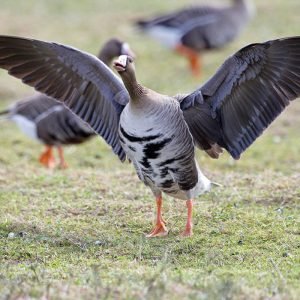
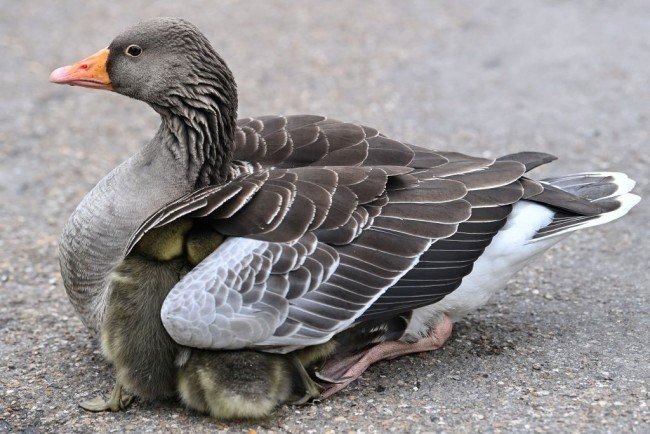
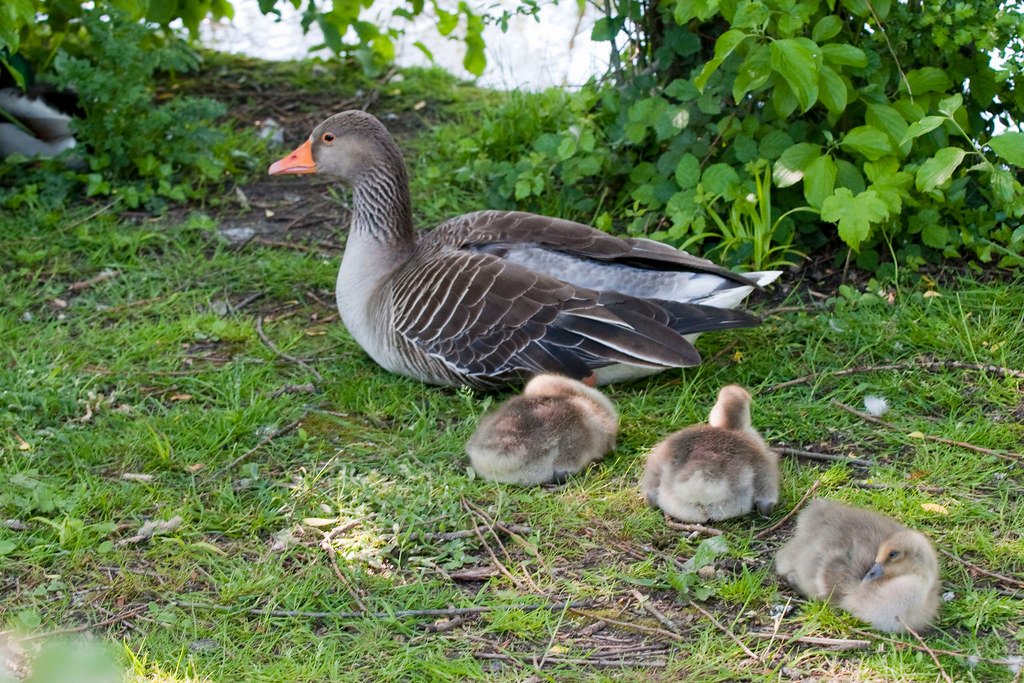
Look at almost any farmyard goose today, and you’re looking at a descendant of the Greylag. This large, grey-brown waterfowl species — native to Europe and Asia — gave rise to nearly every domestic goose breed we know, and it still thrives in the wild across wetlands, moorland, and farmland today.
A Year in the Life: The Migration Journey
Pairs nest on moorland, marshes, and lake edges across northern Europe and Asia.
Family groups join large flocks, flying in V-formation while sharing the lead to save energy.
Flocks settle across southern Europe, North Africa, and South Asia until spring returns.
Teamwork in the Air
During flight, Greylag Geese rotate the lead position within their V-shaped formation, so no single bird bears the full brunt of air resistance for long. Because of this rotation, the whole flock conserves energy and covers far greater distances than any one bird could manage alone. This cooperative habit reflects just how tightly bonded goose communities really are.
Life Within the Flock
Geese rarely peck or fight among themselves, and they generally get along well with other species too. Thanks to a strong flocking instinct, they move and settle as a unit, which means keepers can herd them between areas with minimal effort. This calm, cooperative nature is one reason Greylags remain such a practical choice for waterfowl keepers.
Ecological Role
As herbivorous grazers, Greylag Geese feed on grasses, roots, and aquatic plants, shaping vegetation growth wherever they settle in numbers. Their droppings also return nutrients to the soil, supporting the wetland ecosystems they depend on. Overall, their population has grown steadily thanks to protected wetlands and hunting regulations, making them one of the more secure goose species today.
Other Waterfowl You Might Like
Buyer Questions
Is the Greylag Goose really the ancestor of farm geese?
Yes. Nearly every domestic goose breed traces back to the Greylag, which humans first domesticated over 3,000 years ago.
Do they get along with other birds?
Generally, yes. They rarely show aggression and tend to coexist peacefully with other waterfowl.
Why do geese fly in a V-formation?
Rotating the lead position reduces air resistance for the birds behind, so the whole flock saves energy over long distances.