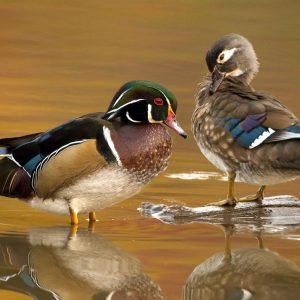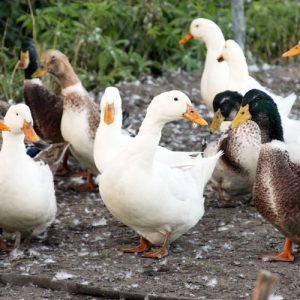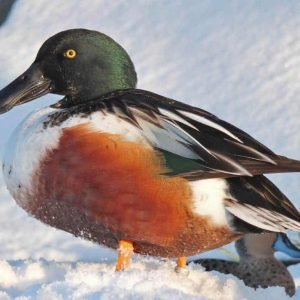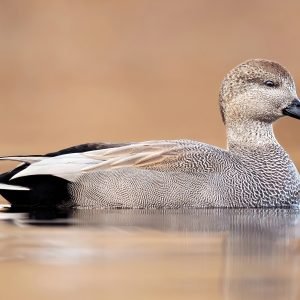
Description
Mallard Ducks
One of the world’s best-known ducks, admired for its colorful male plumage, adaptable nature, and strong connection to ponds, lakes, and wetlands.
🌿 Omnivorous Diet
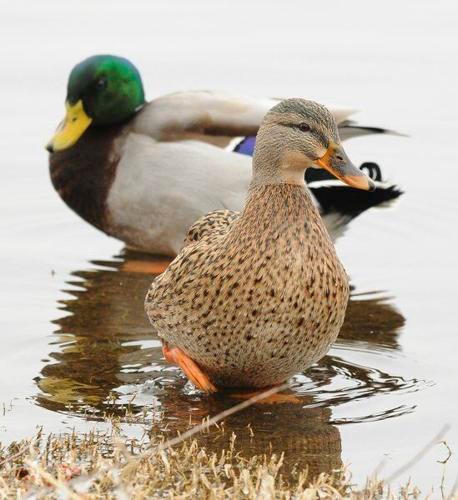
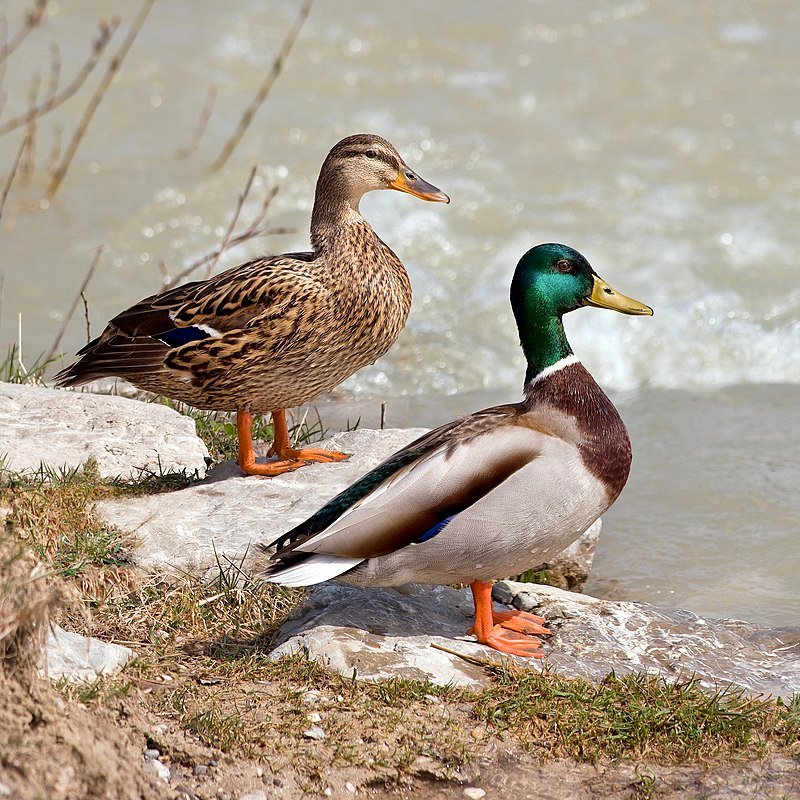
Mallard Ducks (Anas platyrhynchos) are familiar waterfowl found across a wide variety of wetland environments. The male has a glossy green head, yellow bill, white neck ring, brown chest, and gray body, while the female has mottled brown plumage. They are adaptable dabbling ducks that feed in shallow water and around the shoreline. You can also explore our complete bird collection for more waterfowl.
Mallard Identification
The breeding male Mallard is easy to recognize by his iridescent green head, bright yellow bill, white neck ring, brown chest, and gray body. Females are mainly mottled brown with orange-and-dark bills. Both sexes show a blue wing patch bordered by white, which is especially visible during flight.
Habitat and Range
Mallards can live in many wetland environments, including lakes, ponds, marshes, rivers, reservoirs, estuaries, farms, and city parks. They are highly adaptable and can use both natural and human-made habitats when suitable food, water, and shelter are available.
Mallards usually feed by tipping forward in shallow water rather than diving. Their broad bill helps them gather aquatic plants, seeds, and small animals from the water and shoreline.
Diet and Feeding
Mallards are omnivorous and eat a wide variety of foods. Their diet includes aquatic plants, seeds, grasses, grains, roots, and other vegetation, along with insects, snails, crustaceans, worms, and other small animals. During breeding, they may consume more animal matter, while seeds and grains become important at other times of year.
Behavior and Temperament
Mallards are active, alert ducks that commonly gather with other dabbling ducks. Birds living around people can become surprisingly tame, while wild populations may be much more cautious. They are strong fliers and spend time swimming, feeding, preening, resting, and exploring their surroundings.
Breeding and Nesting
Mallards usually nest on the ground in concealed vegetation close to water, although they can use a variety of nesting locations. A clutch commonly contains several eggs, and incubation lasts about 23–30 days. After hatching, ducklings are ready to leave the nest very quickly and are led by the female to feeding areas.
Mallard Duck Care
Proper Mallard care requires protection from predators and extreme weather, a clean and dry sheltered area, safe drinking water, and a nutritionally complete diet. Access to water for swimming or wading can also be beneficial, particularly in warm conditions. Good housing and regular care help support healthy ducks.
Explore More Waterfowl
Interested in other waterfowl? Explore the Snow Goose or browse our complete bird collection to discover more species.
Frequently Asked Questions About Mallard Ducks
What do Mallard Ducks eat?
Mallard Ducks are omnivorous and eat both plant and animal foods. Their natural diet includes aquatic vegetation, grasses, seeds, grains, roots, and other plant material. They also eat insects, snails, worms, crustaceans, and other small aquatic animals. During breeding, animal foods can become more important. A balanced diet is essential when Mallards are kept under human care.
Where do Mallard Ducks live?
Mallard Ducks are highly adaptable and can live in many types of wetland habitat. They are commonly found around ponds, lakes, marshes, rivers, reservoirs, estuaries, farms, and city parks. They can also use artificial or managed water habitats when food and shelter are available. This adaptability is one reason Mallards are among the most familiar ducks.
How can you tell a male Mallard from a female?
The male Mallard has a distinctive iridescent green head, bright yellow bill, white neck ring, brown chest, and gray body. The female is mostly mottled brown and has an orange-and-dark bill. Both sexes have a blue wing patch bordered by white. During the nonbreeding season, males become browner but usually retain some of their characteristic markings.
Do Mallard Ducks dive underwater?
Mallards are dabbling ducks rather than diving ducks. They usually feed in shallow water by tipping their bodies forward and reaching underwater with their bills. They can submerge their head and neck while feeding and may occasionally dive, but diving is not their normal feeding method. Their feeding style is particularly suited to shallow, plant-rich wetlands.
Where do Mallard Ducks build their nests?
Mallards usually build their nests on the ground in dry areas close to water. The female commonly chooses a concealed location beneath grass, leaves, or other vegetation. She forms a shallow bowl and lines it with nearby plant material and down feathers. Some Mallards also use unusual nesting locations, including artificial structures and other elevated sites.
How many eggs do Mallard Ducks lay?
A Mallard clutch can contain approximately 1–13 eggs, although a typical nest contains several eggs. The female handles incubation, which generally lasts about 23–30 days. Mallard ducklings hatch covered in down and are able to leave the nest very soon after hatching. The female then leads them to suitable feeding and water areas.
What do Mallard Ducks need for proper care?
Mallard Ducks need a safe environment protected from predators and extreme weather. They should have a clean, dry sheltered area where they can rest and maintain their feathers. Fresh drinking water must always be available, while access to water for wading or swimming can be beneficial. They also need a nutritionally complete diet that supports normal growth, health, and reproduction.
Reference:
Cornell Lab of Ornithology – Mallard