Description
Cackling Goose for Sale
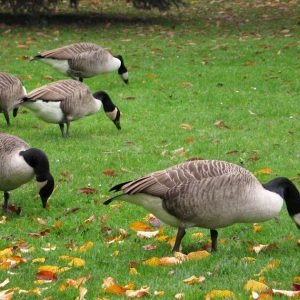
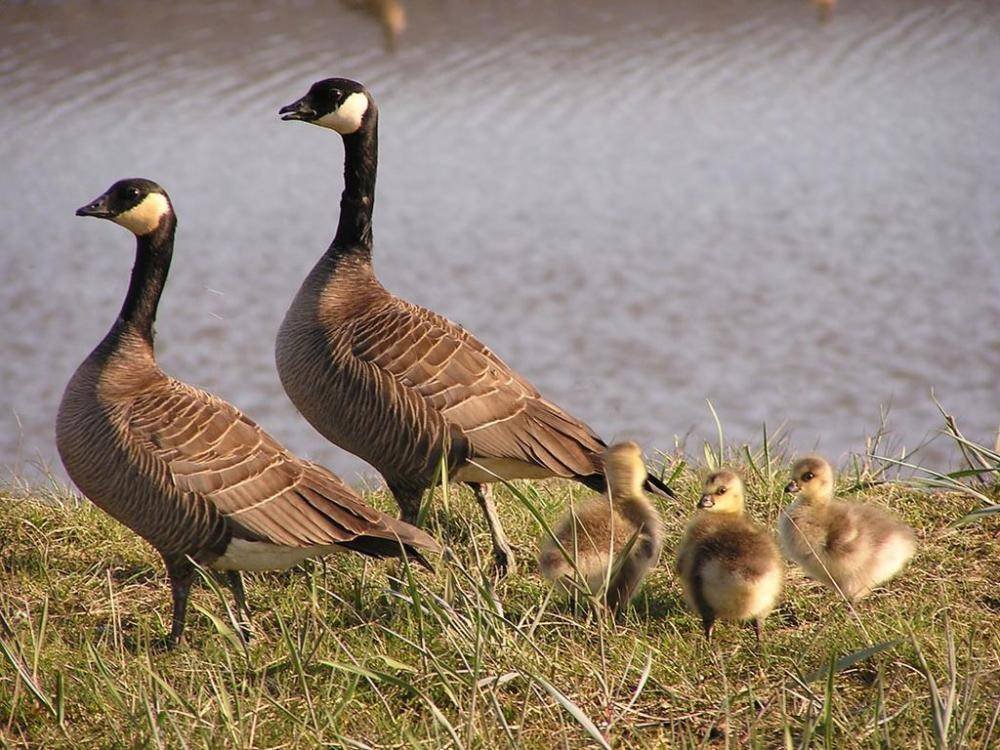
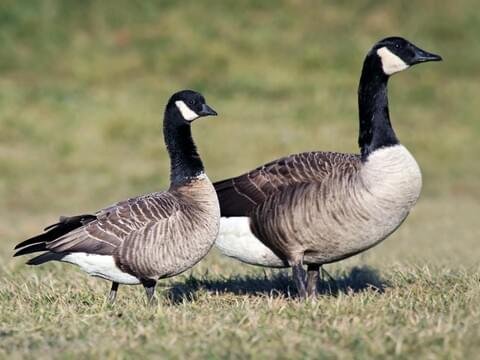
Think of the Cackling Goose as the Canada Goose’s compact cousin — smaller body, shorter stubby bill, rounder head, and a higher-pitched “cackling” honk instead of the deeper tenor call most people associate with geese. In fact, taxonomists only split it into its own species in recent years, after genetic analysis showed the smaller, tundra-breeding populations were distinct enough to stand apart from the Canada Goose.
Three Things That Set Them Apart
- Built for distance. Cackling Geese are strongly migratory, breeding on Arctic tundra in Alaska and northern Canada before traveling thousands of miles to winter as far south as the Gulf Coast and southern Great Plains.
- Flock-minded by nature. Since geese rely on teamwork to migrate efficiently, they fly in V-formations and rotate the lead position, which cuts down on air resistance and spreads out the effort across the group.
- Easygoing companions. Unlike some poultry, geese rarely peck or turn on each other. Because their flocking instinct runs so strong, they’re also easy to herd from one enclosure or pasture to another.
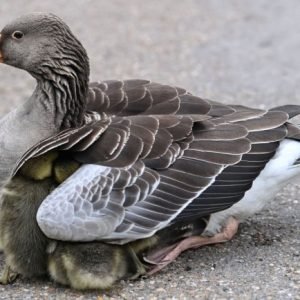
On the ground, Cackling Geese graze mostly on grasses, sedges, grains, and berries, occasionally supplementing with aquatic plants near water. Goslings eat more insects and invertebrates early on to fuel rapid growth, shifting to an almost entirely plant-based diet as adults. A pond or open water source alongside grazing space suits them well in a home flock setting.
FAQs
🪿 How big do they get?
Smaller than a Canada Goose — some subspecies are barely larger than a mallard, while the biggest can weigh up to 7 lbs.
🥗 What do they eat?
Mainly grasses, sedges, grains, and berries, with access to water for occasional aquatic plants.
🐣 Do they get along with other birds?
Generally yes — geese are social, non-aggressive flock animals that mix well in a mixed-waterfowl setting.