

Description
Canada Goose for Sale
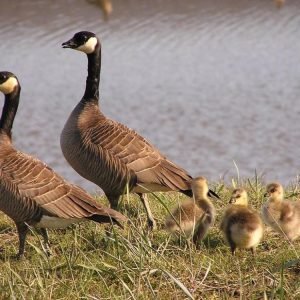
Few birds mark the changing seasons quite like the Canada Goose. When a V-shaped flock passes overhead honking in the spring or fall, most people instantly recognize what they’re seeing — even if they couldn’t name another goose species. That familiarity comes from an unusual trait: this bird thrives almost anywhere, from Arctic breeding grounds to the pond behind a suburban office park.
Arctic and temperate North America
Parts of Europe, New Zealand, and Asia
Grasslands, wetlands, and urban parks near water
Least Concern, with a large, stable population
The Journey Overhead
Every spring and fall, Canada Geese undertake migrations spanning thousands of miles between their northern breeding grounds and southern wintering areas. Along the way, they fly in tight V-formations, and each bird takes a turn leading the group. Because the lead position cuts through the most air resistance, rotating it lets the whole flock conserve energy and travel remarkable distances — in some cases, over 1,500 miles in a single day.
Life Within the Flock
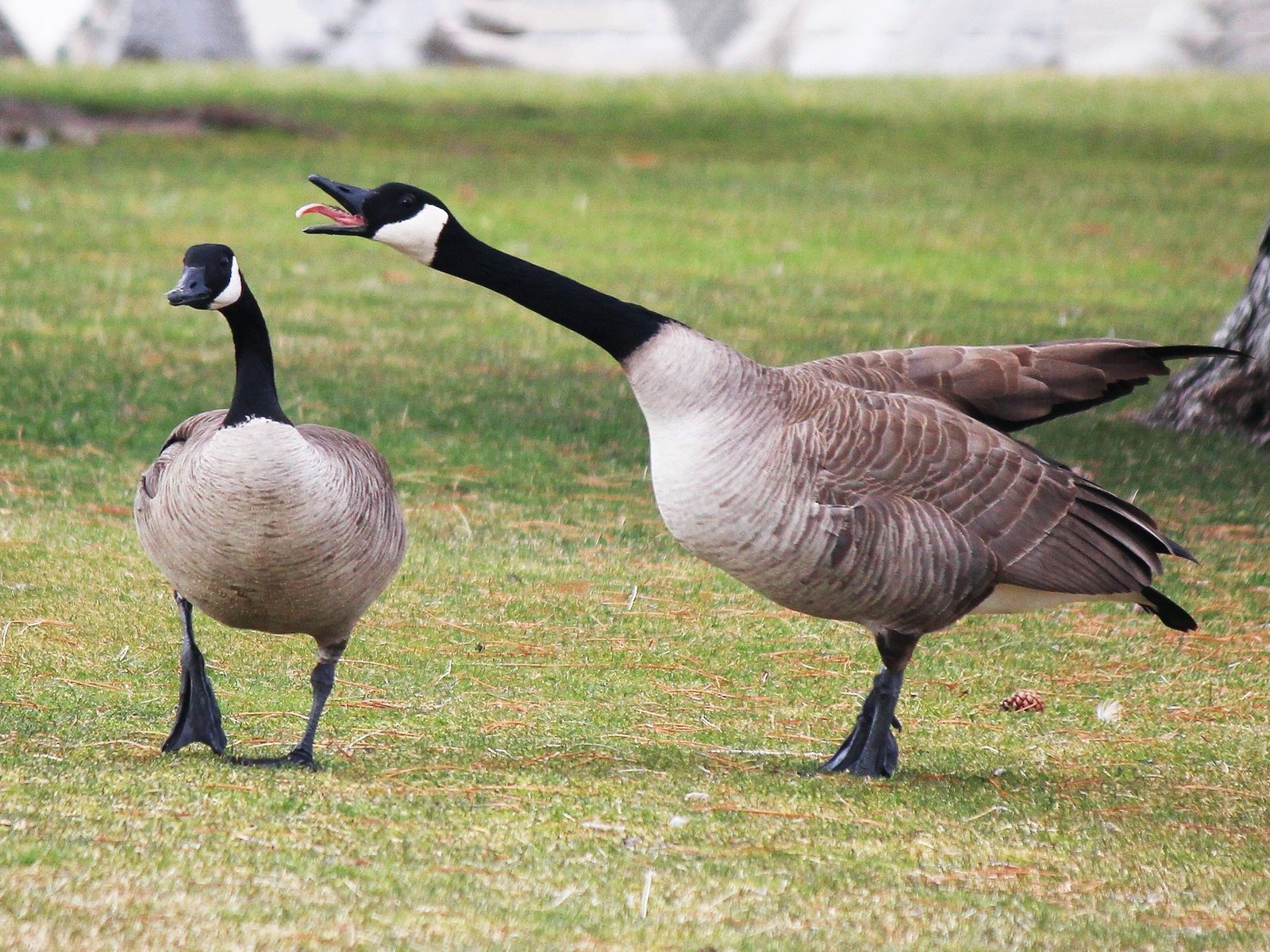
Canada Geese rarely peck or fight among themselves, and they typically get along well with other waterfowl too. Since their flocking instinct runs strong, they move and settle together with ease, which means keepers can herd them between areas without much resistance. This calm, cooperative temperament is a big part of why they’re such a popular choice for waterfowl collections.
Ecological Role
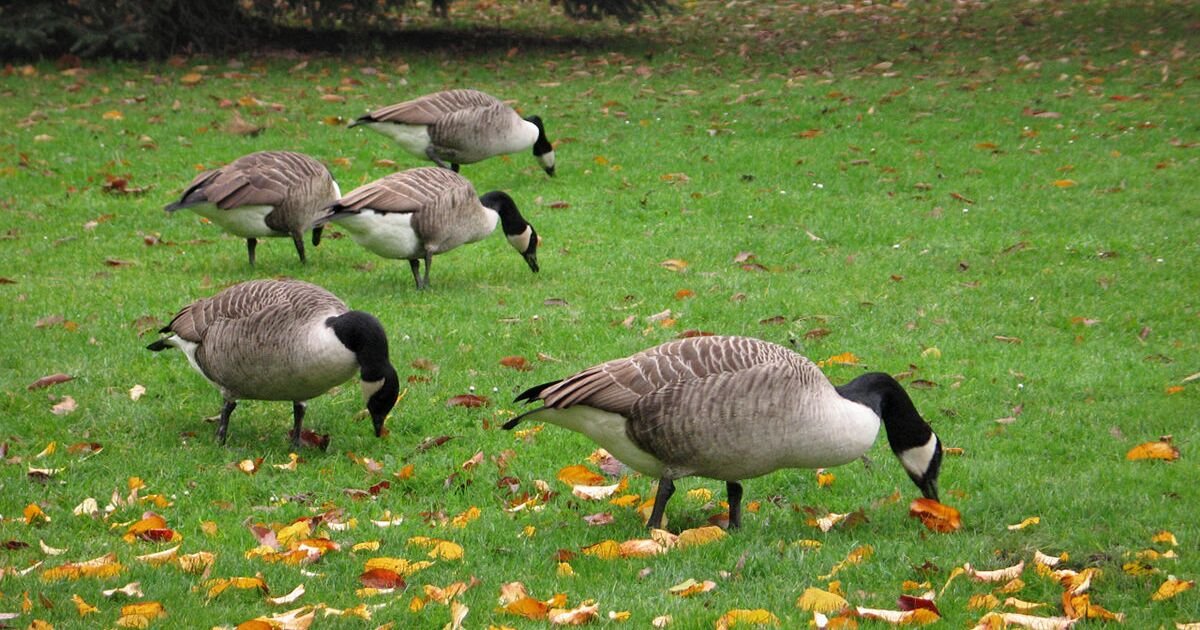
As herbivores, Canada Geese graze on grasses, seeds, and aquatic plants, shaping vegetation wherever large flocks gather. Their droppings also return nutrients to the soil and water, supporting the wetland habitats they rely on throughout the year.
Other Waterfowl You Might Like
Buyer Questions
How far can a flock travel in a single day?
During migration, flocks have been recorded covering over 1,500 miles in a single day when conditions allow.
Are Canada Geese easy to keep with other waterfowl?
Yes. They rarely show aggression and generally settle in well alongside other goose and duck species.
Why do they thrive in so many different environments?
Their flexible diet and tolerance for both wild and human-altered landscapes let them adapt to everything from tundra to city parks.