Description
Rainbow Lorikeet Bird for Sale
Looking for a Rainbow Lorikeet bird for sale? This colorful Australian parrot is
known for its vivid blue head, green wings, orange-yellow breast, and bright red beak. Its energetic
nature and lively calls make it an especially eye-catching lorikeet.
Rainbow Lorikeet Quick Facts
Rainbow Lorikeet Bird for Sale: Appearance
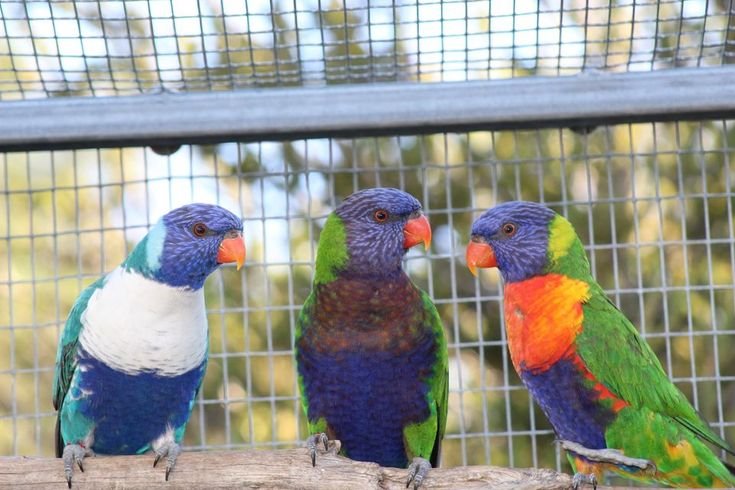
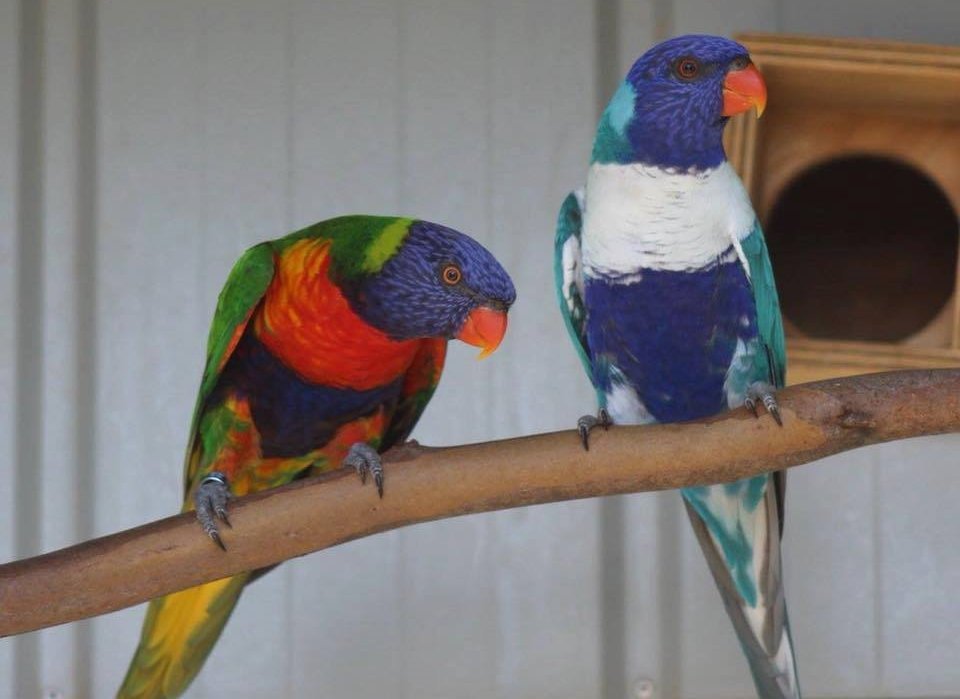
The Rainbow Lorikeet has one of the most colorful appearances among Australian parrots. Its head
shows blue and mauve shades, while the back, wings, and tail are mainly green. A bright orange-yellow
breast adds strong contrast, and the red beak completes its distinctive look.
Adults usually measure around 28–32 cm in length. Their slim body and pointed wings help them move
quickly between trees and flowering plants.
Blue and mauve head, green wings and back, orange-yellow breast, and bright red beak.
Rainbow Lorikeet Color Profile
Blue and mauve shades
Rich green feathers
Orange and yellow tones
Bright red
Rainbow Lorikeet Habitat
Rainbow Lorikeets naturally occur across parts of northern and eastern coastal Australia. They use
rainforests, woodlands, flowering trees, and other areas that provide reliable food sources.
These adaptable parrots can also live in well-treed urban environments. Flowering plants and mature
trees give them useful feeding opportunities. Therefore, a suitable environment should provide safe
space, enrichment, and access to appropriate food.
Personality & Behaviour
A Rainbow Lorikeet is energetic, social, and constantly active. It spends much of the day moving,
climbing, feeding, and exploring its surroundings. As a result, this species can be especially engaging
for bird enthusiasts who enjoy lively parrots.
Vocal behavior is another important feature. Rainbow Lorikeets produce calls, chatter, and other
sounds, particularly when several birds gather together. However, anyone considering this species
should be comfortable with a naturally vocal bird.
Regular interaction and enrichment can also support their active lifestyle. Safe toys, climbing
opportunities, and supervised activities give the bird useful ways to stay occupied.
Rainbow Lorikeet Diet
Rainbow Lorikeets have a specialized feeding style. In the wild, nectar and pollen form a major
part of their diet. They also eat fruits, seeds, and small amounts of other food such as insects.
Because their natural diet differs from that of many seed-eating parrots, proper nutrition is important.
A suitable lorikeet diet should match the bird’s nutritional needs.
- Nectar and pollen are important natural foods.
- Fresh fruit can form part of a suitable diet.
- Fresh drinking water should always be available.
- Diet should reflect the nutritional needs of lorikeets.
Rainbow Lorikeet Care
Caring for a Rainbow Lorikeet involves more than providing food and water. This active species needs
enough room to move, climb, and explore. A secure enclosure also helps protect the bird from household hazards.
Furthermore, enrichment makes daily life more interesting. Safe toys, climbing opportunities,
interaction, and supervised activity can encourage natural behaviors.
Provide a safe and appropriately sized enclosure.
Offer a suitable nectar-based lorikeet diet.
Provide toys, activity, interaction, and mental stimulation.
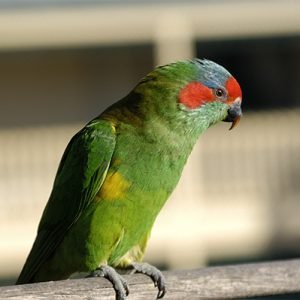
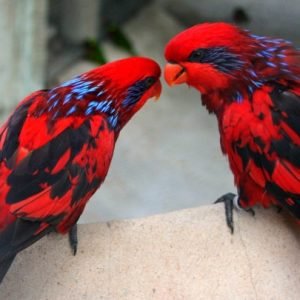
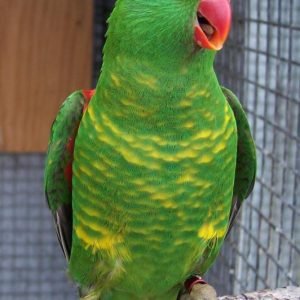
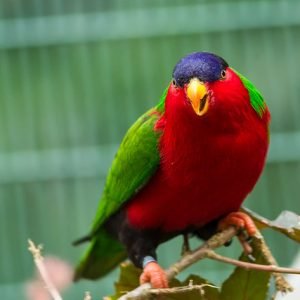
Other Lorikeets to Explore
If you are comparing colorful nectar-feeding parrots, these related lorikeets may also interest you.
Before Choosing a Rainbow Lorikeet
Before purchasing, consider the bird’s activity level, specialized diet, space requirements, and vocal behavior.
A Rainbow Lorikeet can be a rewarding companion when its daily needs receive proper attention.
In addition, make sure you can provide suitable housing, nutrition, enrichment, and routine care.
Understanding these needs beforehand helps create a safe and comfortable environment for the bird.
Further Reading
Learn more about the Rainbow Lorikeet from trusted Australian bird references.
Rainbow Lorikeet FAQ
What makes the Rainbow Lorikeet special?
Its combination of blue, green, orange, yellow, and red feathers gives the Rainbow Lorikeet
a striking appearance. Its energetic behavior also makes it interesting to observe.
What does a Rainbow Lorikeet eat?
Rainbow Lorikeets naturally feed mainly on nectar and pollen. They also eat fruits, seeds,
and some insects, so their diet needs to suit their specialized feeding habits.
Are Rainbow Lorikeets active birds?
Yes. They are energetic birds that spend considerable time feeding, climbing, flying, and
interacting with their surroundings. Regular enrichment can support this active lifestyle.
Looking for a Rainbow Lorikeet Bird for Sale?
Explore our bird collection and discover more colorful parrots available from Buy Birds and Ship.