Description
Tundra Swan for Sale
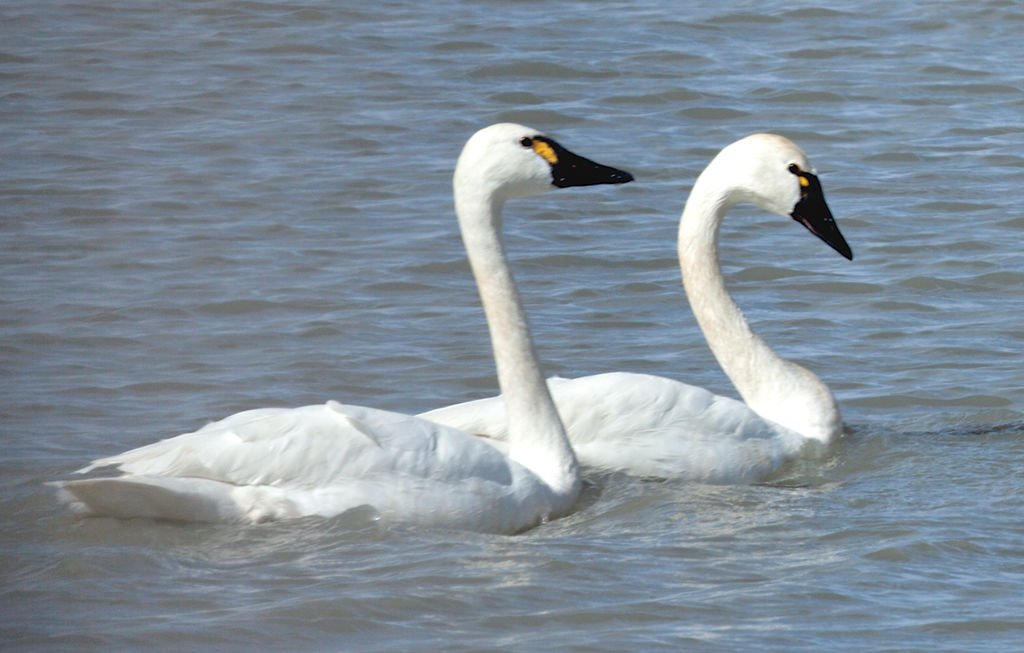
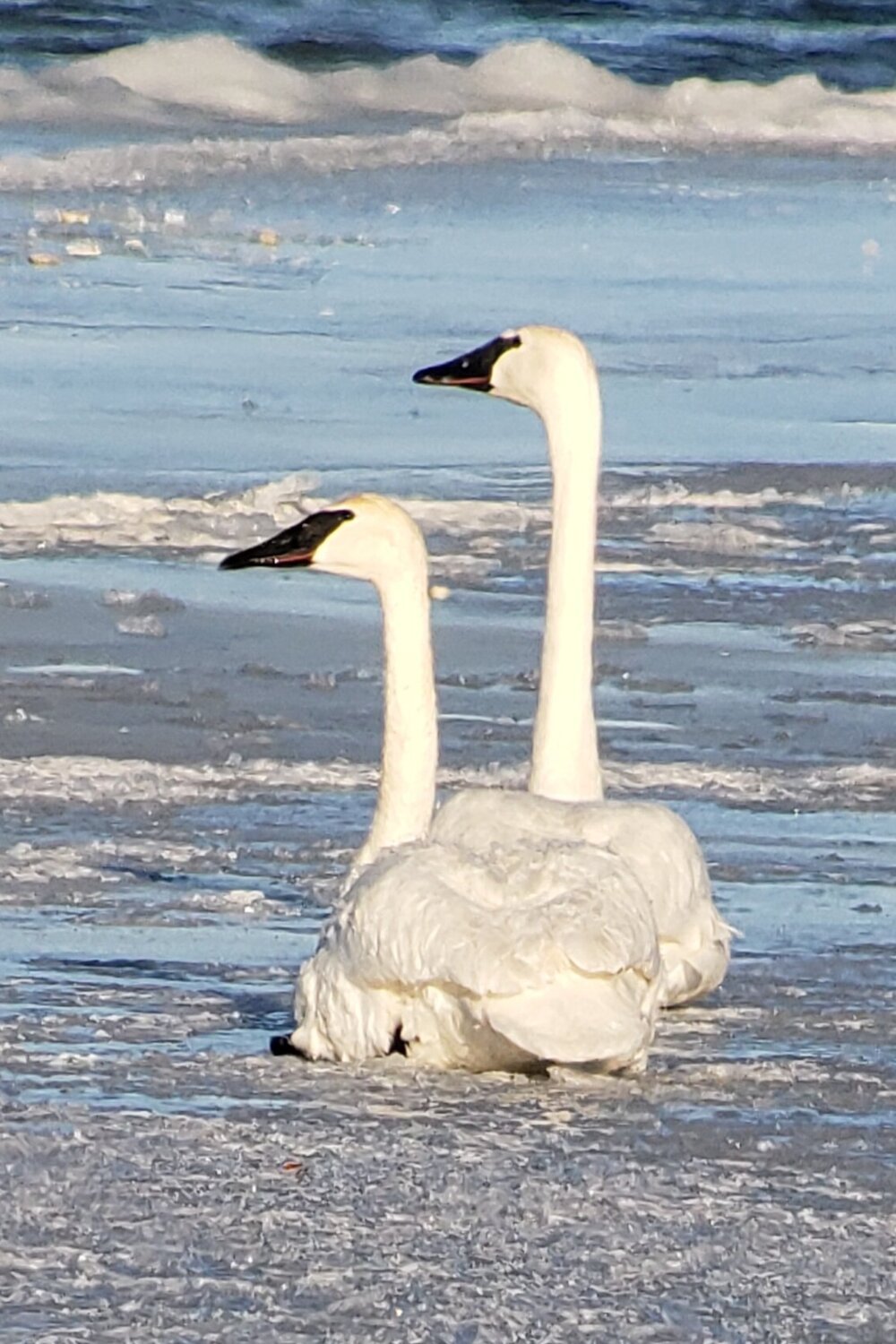
Among the world’s swans, the Tundra Swan holds the title of smallest — though “small” is relative for a bird that still weighs up to 20 pounds. Because it looks so similar to its larger cousins, most people rely on one feature to tell it apart at a glance: the bill.
Spot the Difference: Swan Bills Compared
| Species | Bill Pattern |
|---|---|
| Tundra Swan | Mostly black, often with a small yellow spot near the eye |
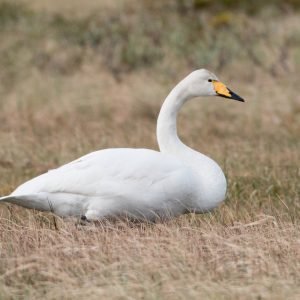
| Whooper Swan | Mostly yellow with a black tip — the reverse pattern of the Tundra Swan |
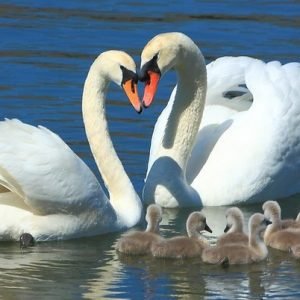
| Mute Swan | Orange with a distinctive black knob at the base |
Two Forms, One Species
Whistling Swan
The North American form, breeding across Alaska and Arctic Canada.
Bewick’s Swan
The Eurasian form, breeding across the Arctic coast of Russia and Siberia.
Because these two forms rarely interbreed and occupy separate continents, some ornithologists treat them as distinct species. Regardless of the classification debate, both share the same core biology, habits, and care needs.
Migration and Habitat
Tundra Swans breed on Arctic tundra ponds, lakes, and slow-moving rivers, then migrate south each fall to spend winter on coastal estuaries and inland wetlands. During the journey, they build up substantial fat reserves beforehand, which fuels multi-day flights covering vast distances between breeding and wintering grounds. Once winter sets in, flocks often turn to agricultural fields for extra foraging when natural food runs short.
Aviary Care
A pond or lake setting with access to submerged vegetation suits this species best, since it naturally forages on aquatic plants and tubers. Supplementing with a quality waterfowl feed during colder months helps maintain condition, especially when natural forage becomes limited.
Other Waterfowl You Might Like
Buyer Questions
How do I tell a Tundra Swan from a Whooper Swan?
Check the bill — Tundra Swans show mostly black with a small yellow spot, while Whooper Swans show the reverse, mostly yellow with a black tip.
Are Whistling and Bewick’s Swans different species?
They’re usually treated as subspecies of the same bird, though some researchers argue they’re distinct enough to be separate species.
How long do Tundra Swans typically live?
Banded individuals have been recorded living more than 26 years, making this a notably long-lived species.