

Description
Mute Swan for Sale
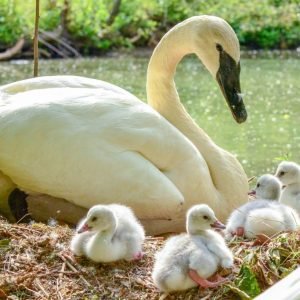
With its curved neck, orange bill, and graceful movement across still water, the Mute Swan is famous in European folklore, art, and storybooks. However, behind its elegant appearance is a strongly territorial bird.
Reputation vs. Reality
The Reputation
Elegant, graceful, and calm, the Mute Swan has symbolised beauty and lifelong devotion in European culture for centuries.
The Reality
It can be fiercely territorial, especially near its nest, and may confront people, boaters, or other waterfowl when defending its space.
Identification
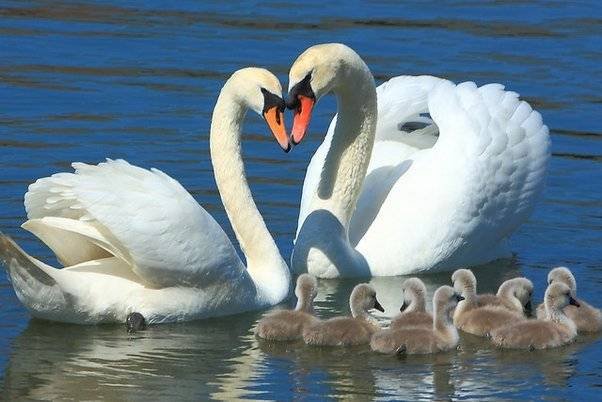
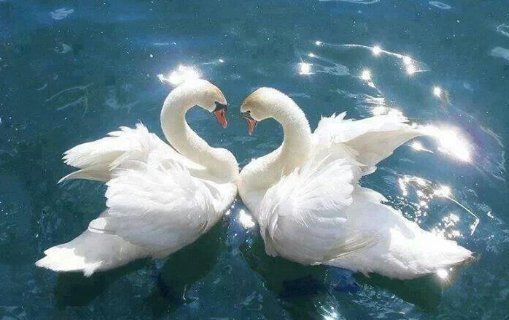
The Mute Swan has a bright orange bill with a black knob at its base, which is larger in males. Its neck forms a distinctive S-shape, and it often holds its wings slightly raised while swimming.
Not Actually Mute
Despite its name, this swan is not silent. It hisses when threatened and makes soft grunting sounds during normal activity. Its wingbeats also produce a distinctive hum that can be heard from nearly a mile away.
Compared with the loud calls of other swans, the Mute Swan is noticeably quieter.
Range and Habitat
Native populations live in wetlands, lakes, and rivers across Europe and parts of western Asia. Introduced populations also occur in North America, southern Africa, and New Zealand, often inhabiting city parks, ponds, and estuaries.
Important: Check Local Regulations
Outside its native range, the Mute Swan is considered invasive in some regions. Several U.S. states regulate, restrict, or prohibit keeping and selling this species. Always check local wildlife regulations before purchasing.
Keeping Mute Swans Safely
Mute Swans need plenty of space, particularly during breeding season when territorial behaviour increases. Provide open water and aquatic vegetation for foraging. Also, keep a safe distance from nests and supervise interactions with other waterfowl.
Other Waterfowl You Might Like
Mute Swan Buyer FAQs
Regulations vary by location. Some regions restrict or prohibit keeping Mute Swans because of their invasive status. Check your local wildlife rules before buying.
They can become aggressive, particularly near their nests. Keep a safe distance and supervise interactions with children and pets during breeding season.
They are quieter than many other swan species. They communicate through hisses, grunts, and wing sounds rather than loud trumpeting calls.