Description
Rhea Bird for Sale
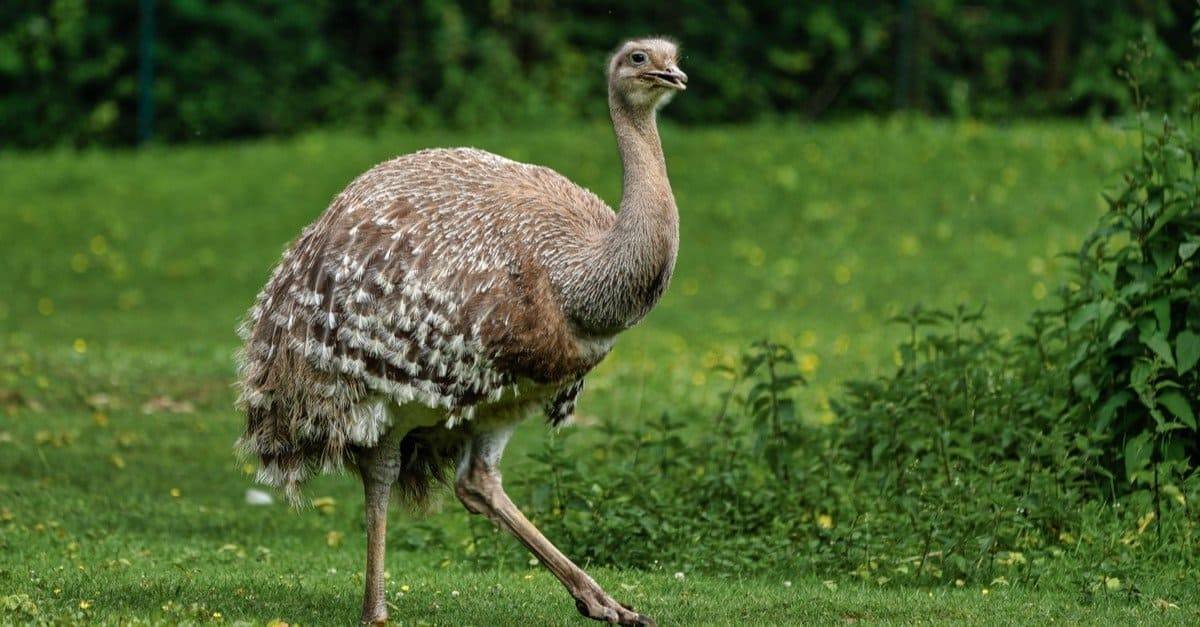
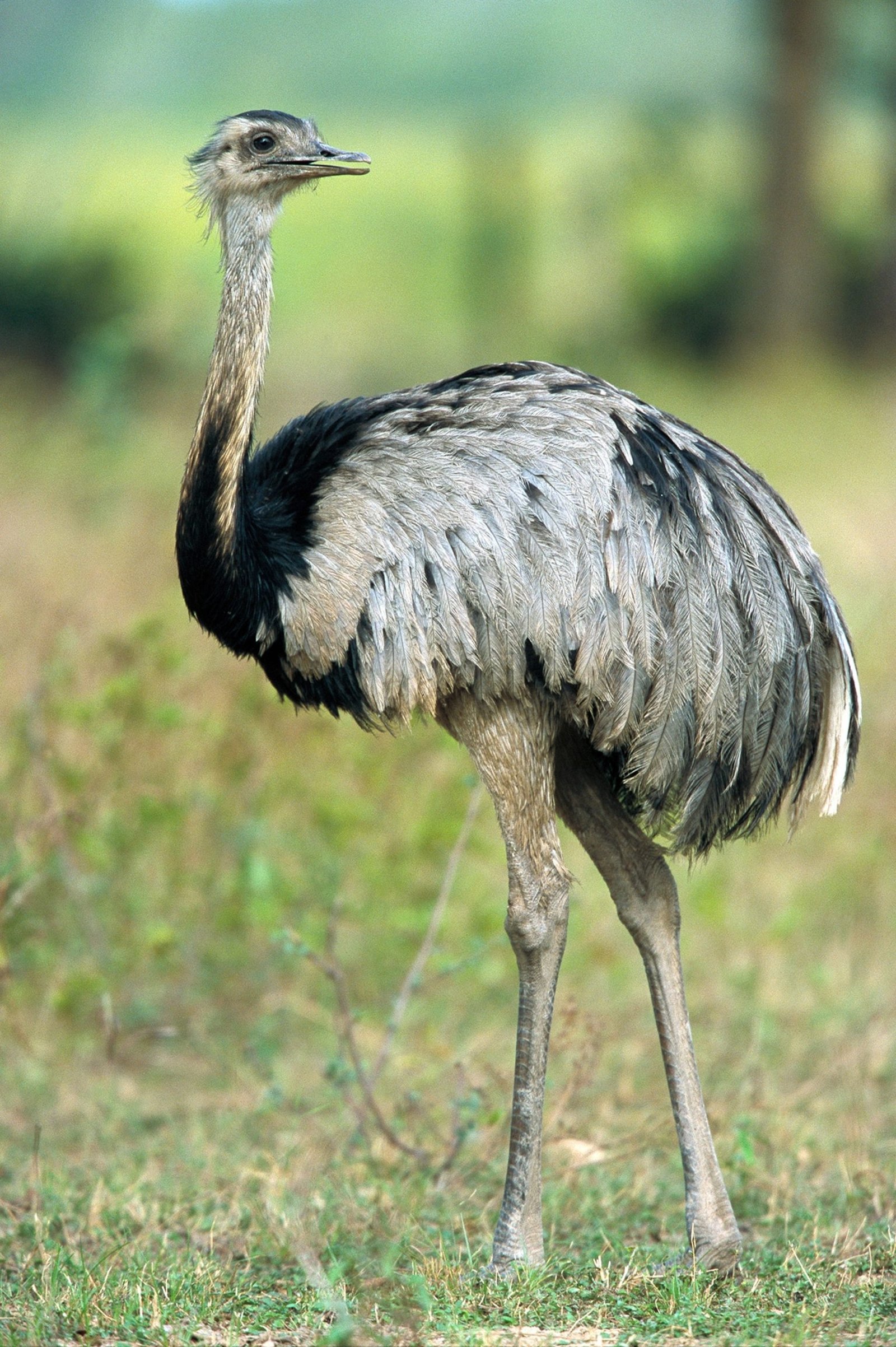
The Greater Rhea doesn’t need wings to outrun trouble. South America’s largest bird has traded flight for pure speed, and across the open pampas and savanna it calls home, that trade has clearly paid off.
Built for the Open Plains
Grasslands, pampas, and open scrub across eastern South America
Key seed disperser, spreading native plant species across its range
Omnivorous — leaves, seeds, fruit, insects, and small vertebrates
Near Threatened, with regulated trade under CITES Appendix II
Family Life
Rhea social structure flips the usual script: males build the nest, incubate the eggs, and raise the chicks — often caring for 20 or more young at once from a shared, multi-female clutch. It’s one of the more unusual parenting setups in the bird world.
Keeping Rheas
Given their size and running instinct, rheas need generous open space rather than a conventional aviary — secure perimeter fencing matters more than height. A mixed diet of greens, grains, and occasional protein mirrors their natural omnivorous habits well.
Other Ratites and Large Birds
Buyer Questions
🏃 Can rheas actually be kept safely by hobbyists?
Yes, with adequate space and secure fencing — their speed and size call for a generous, well-enclosed area rather than a small pen.
👨👧 Do males really raise the chicks alone?
Yes — males incubate the communal clutch and raise the chicks solo, sometimes caring for large groups of young at once.
📜 Is there a compliance step before buying?
Yes — as a CITES Appendix II species, confirm captive-bred origin and any required trade documentation before purchase.