Description
Zenaida macroura
Mourning Dove for Sale Online
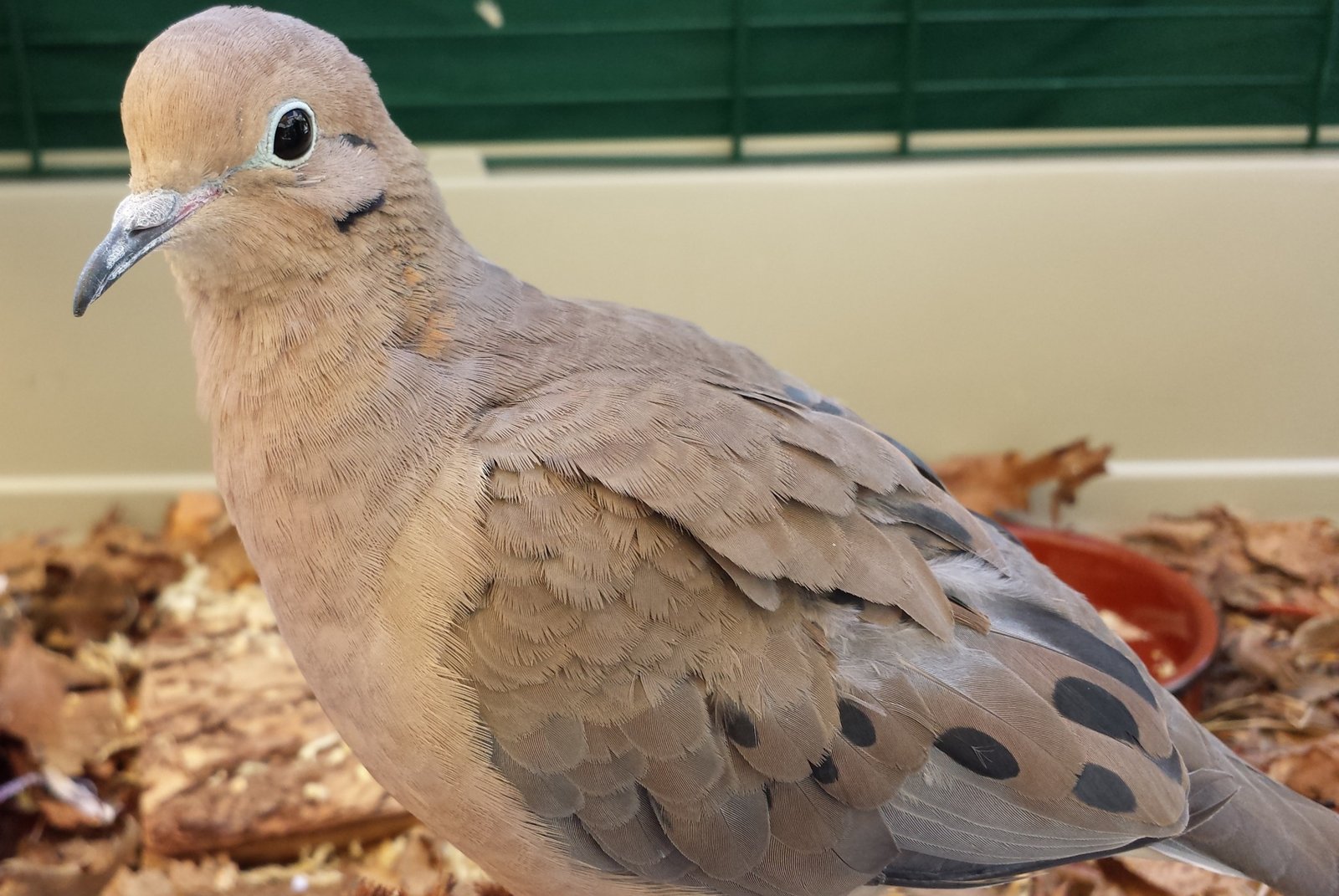
The Mourning Dove is a slender North American dove known for its long
pointed tail, soft brown-gray plumage, and distinctive mournful-sounding
call. It is primarily a ground-feeding seed eater.
Zenaida macroura
Scientific name
North America
Native range
Mourning Dove Appearance
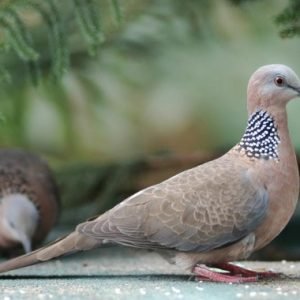
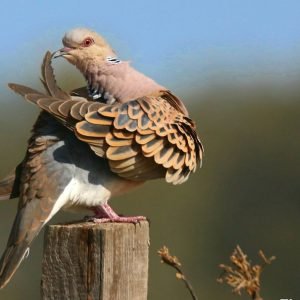
The body is mainly soft gray-brown with subtle darker markings on the wings.
Its long, pointed tail gives the species a distinctive slender profile.
Mourning Doves have strong, direct flight and often perch on elevated wires or branches.
Habitat & Natural Behavior
Mourning Doves commonly use open country, grasslands, agricultural fields,
scattered woodland, woodland edges, backyards, and roadsides. They spend
much of their feeding time on the ground, searching for visible seeds.
Some populations migrate seasonally.
Seed-Based Diet
Seeds make up about 99% of a Mourning Dove’s diet. They eat wild grasses,
weeds, herbs, cultivated grains, and other available seeds. Occasionally,
they may also consume berries or small invertebrates.
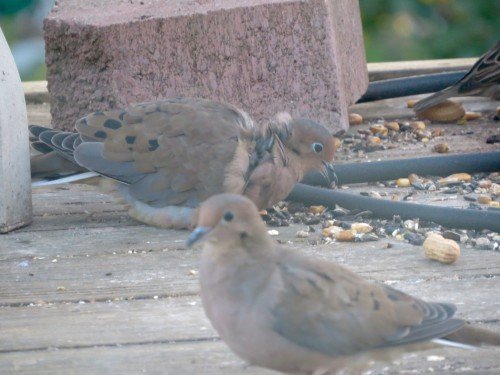
Ground Foraging
Unlike many birds, Mourning Doves usually pick food directly from the ground
rather than scratching through heavy vegetation.
Nesting & Breeding
Nests are usually loose platforms made from small twigs, grasses, and
pine needles.
A typical clutch contains two white eggs, with incubation lasting about 14 days.
Young birds usually remain in the nest for around 12–15 days.
Mourning Dove Care
Provide secure space for walking, perching, and flight.
Offer an appropriate seed-based diet with access to clean water.
Protect this ground-feeding bird from predators and unsafe conditions.
Responsible Sourcing
Mourning Doves are widespread and abundant in North America, but they are
also covered by migratory-bird protections in the United States. Anyone
considering a captive bird should verify that it is legally sourced and
that applicable local wildlife regulations are followed.
Explore more birds in our
complete bird collection
or discover our
Rainbow Lorikeet
.
Mourning Dove FAQ
What is a Mourning Dove?
The Mourning Dove is Zenaida macroura, a slender dove widely
distributed across North America. It is known for its soft, drawn-out call
and ground-feeding behavior.
What do Mourning Doves eat?
Seeds make up roughly 99% of their diet, including grass seeds, weed seeds,
herbs, and cultivated grains. They occasionally eat berries and small
invertebrates.
Where do Mourning Doves live?
They use open woodlands, grasslands, agricultural fields, woodland edges,
suburbs, and other open habitats with accessible seeds.
How many eggs does a Mourning Dove lay?
A typical clutch contains two white eggs. Incubation lasts about 14 days,
and young birds usually leave the nest after roughly 12–15 days.
Are Mourning Doves migratory?
Some populations migrate seasonally, while others remain in their breeding
areas throughout the year. Migration patterns vary by region.
Where can I find a Mourning Dove for sale online?
Before purchasing a Mourning Dove, verify that the bird is legally sourced
and that the seller can provide appropriate documentation. Wildlife laws
can vary by location.