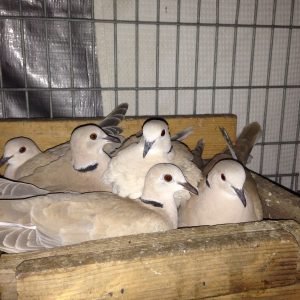



Description
Streptopelia turtur
European Turtle Dove for Sale Online
The European Turtle Dove is a delicate migratory species known for its
soft purring call and beautifully patterned plumage. It breeds across
parts of Europe and western Asia before migrating to sub-Saharan Africa.
Streptopelia turtur
47–53 cm
Seeds & grains
Vulnerable
European Turtle Dove Appearance
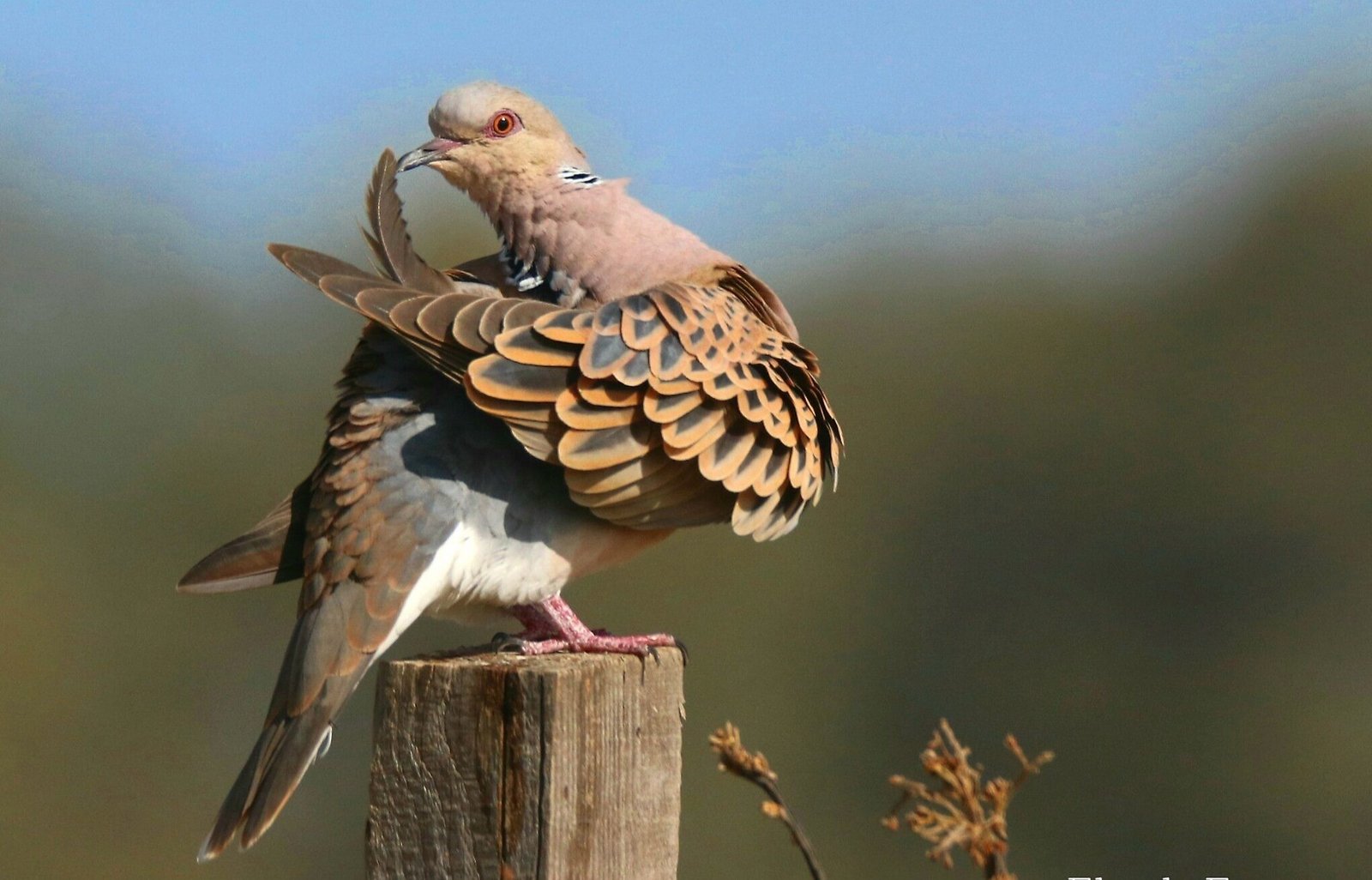
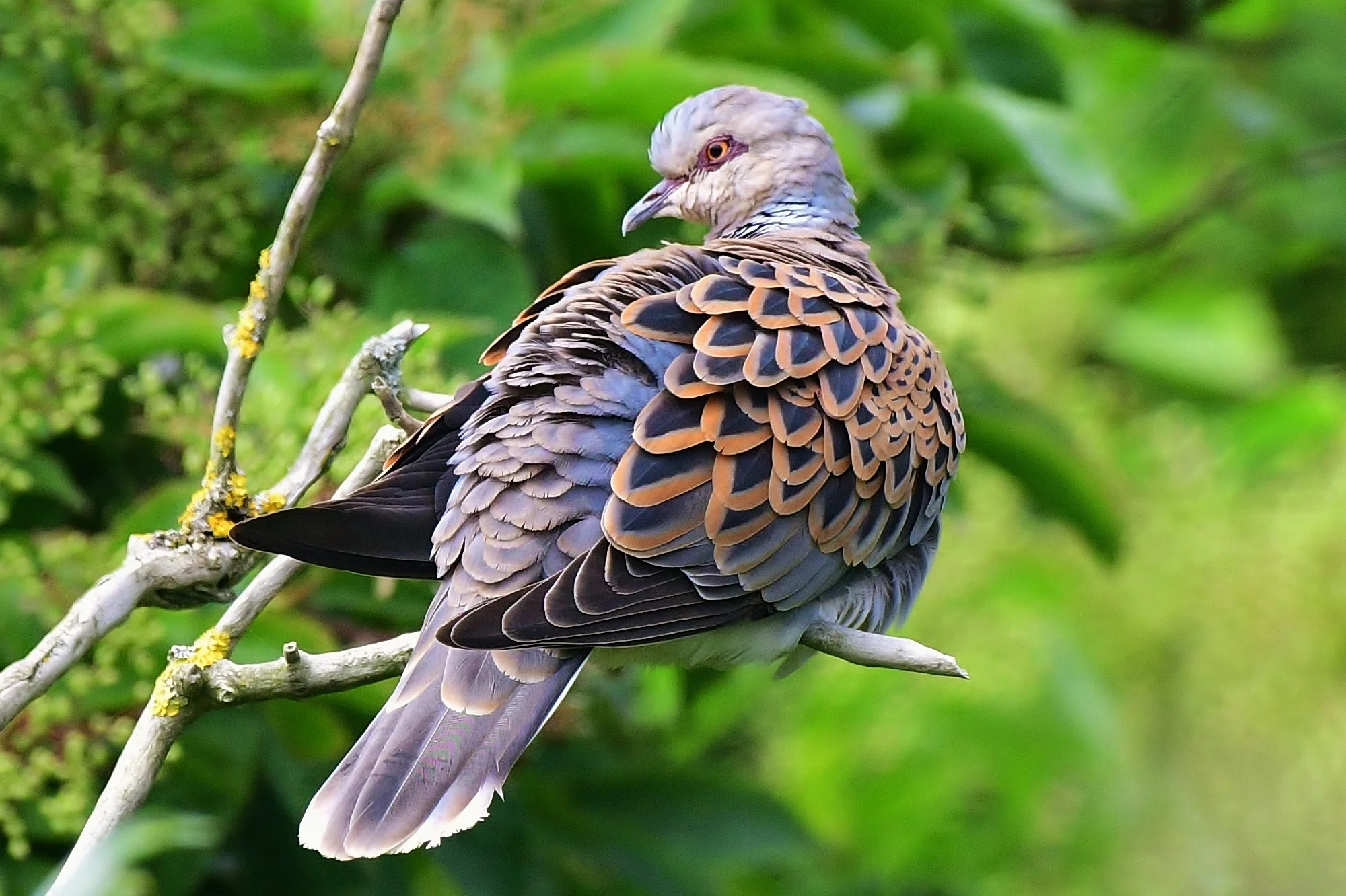
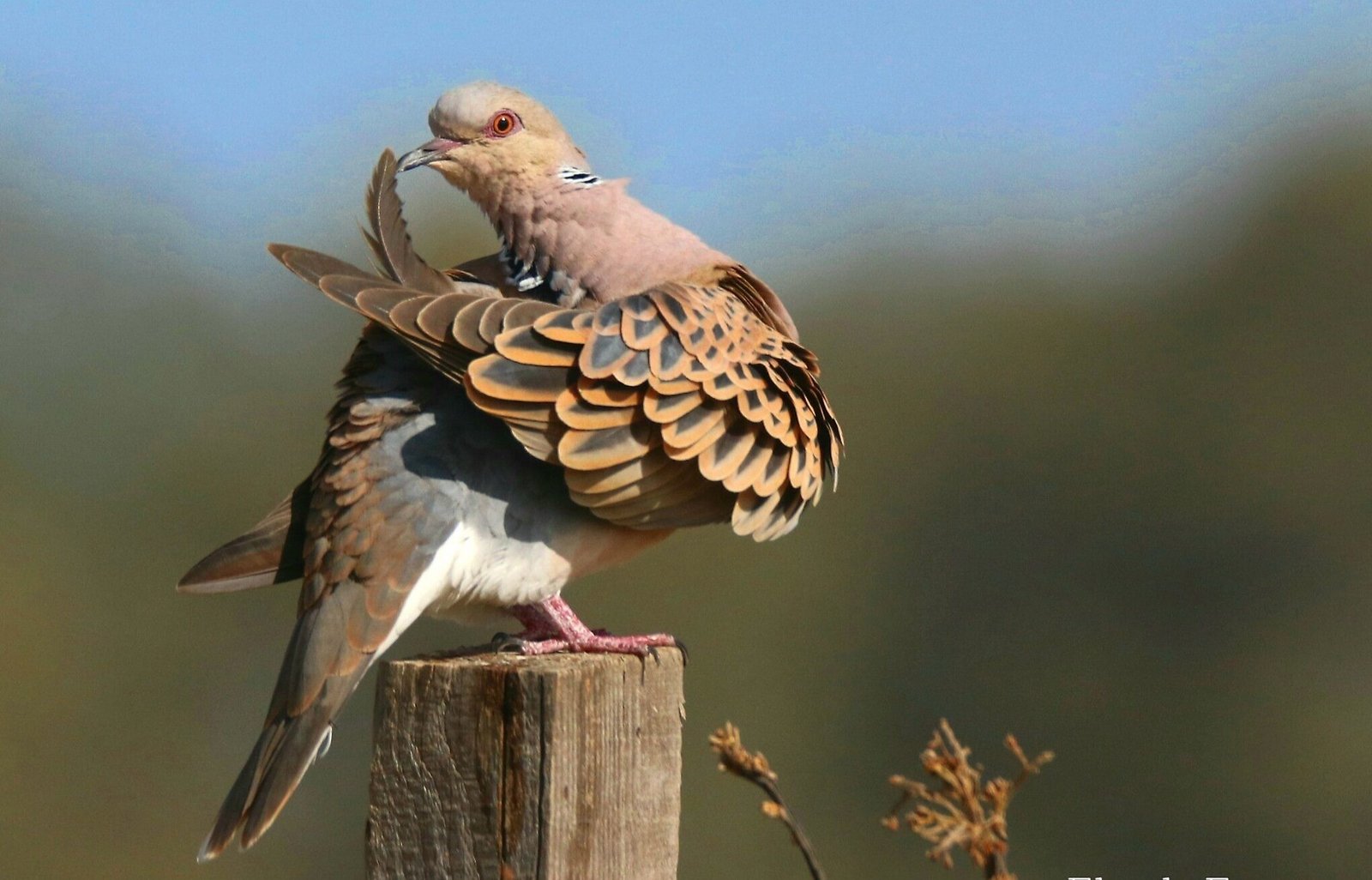
The species has warm brown and grey plumage with distinctive black-and-white
barring on the side of the neck. Its wings show a delicate, scaly pattern,
while the overall body remains slimmer and more finely built than many
larger dove species.
Signature Call
Its soft, repetitive purring call is one of its best-known characteristics
and is especially associated with the European summer breeding season.
Habitat & Migration
European Turtle Doves favor open woodland, forest edges, hedgerows,
scrub, and farmland where feeding areas occur close to nesting cover.
They are long-distance migrants, traveling between European breeding
grounds and wintering areas in sub-Saharan Africa.
Diet & Feeding
European Turtle Doves are primarily seed eaters. Their natural diet includes
seeds from wild plants as well as grains such as wheat and barley. Access to
suitable feeding areas is important because intensive farming can reduce
the availability of natural seed foods.
Nesting
Nests are small platforms made from thin sticks and are commonly placed
in bushes, hedges, or trees.
Clutch
A typical clutch contains two eggs. Both parents take part in incubation
and care of the young.
Young Birds
Parents feed their chicks with crop milk during the early stage of development.
Conservation & Responsible Sourcing
The European Turtle Dove is currently classified as Vulnerable.
Population declines have been linked to habitat loss and degradation,
reduced food availability, and hunting pressure along migration routes.
Any captive-bred bird should therefore come from lawful, documented,
responsible sources rather than the wild.
Explore more birds in our
complete bird collection
or discover our
Rainbow Lorikeet
.
European Turtle Dove FAQ
What is a European Turtle Dove?
The European Turtle Dove is Streptopelia turtur, a migratory dove
that breeds across parts of Europe and western Asia and winters in Africa.
What does a European Turtle Dove eat?
It mainly feeds on seeds and grains, including seeds from wild plants
and agricultural crops.
Where do European Turtle Doves live?
They favor open woodland, forest edges, hedgerows, scrub, and farmland.
During winter, many migrate to sub-Saharan Africa.
How many eggs does a European Turtle Dove lay?
A typical clutch contains two eggs. Both parents participate in incubation
and raising the young.
Why is the European Turtle Dove vulnerable?
Habitat loss, changes in agricultural practices, reduced seed availability,
and hunting pressure have contributed to population declines.
Where can I find a European Turtle Dove for sale online?
Because this species has conservation concerns, verify that any captive
bird is legally sourced and documented as captive-bred before purchase.