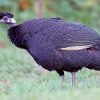
Description
Kenya Crested Guineafowl for Sale
Walk through the woodlands of Kenya, Somalia, or Tanzania and you might catch sight of a small, tight-knit flock moving through the underbrush — dark, spotted birds with a curl of black feathers bouncing above their heads. That’s the Kenya Crested Guineafowl, one of East Africa’s most distinctive gamebirds.
Kenya, Somalia, Tanzania
Least Concern (IUCN)
1.5–3.4 lbs
10–15 years
5 Things That Make This Bird Stand Out
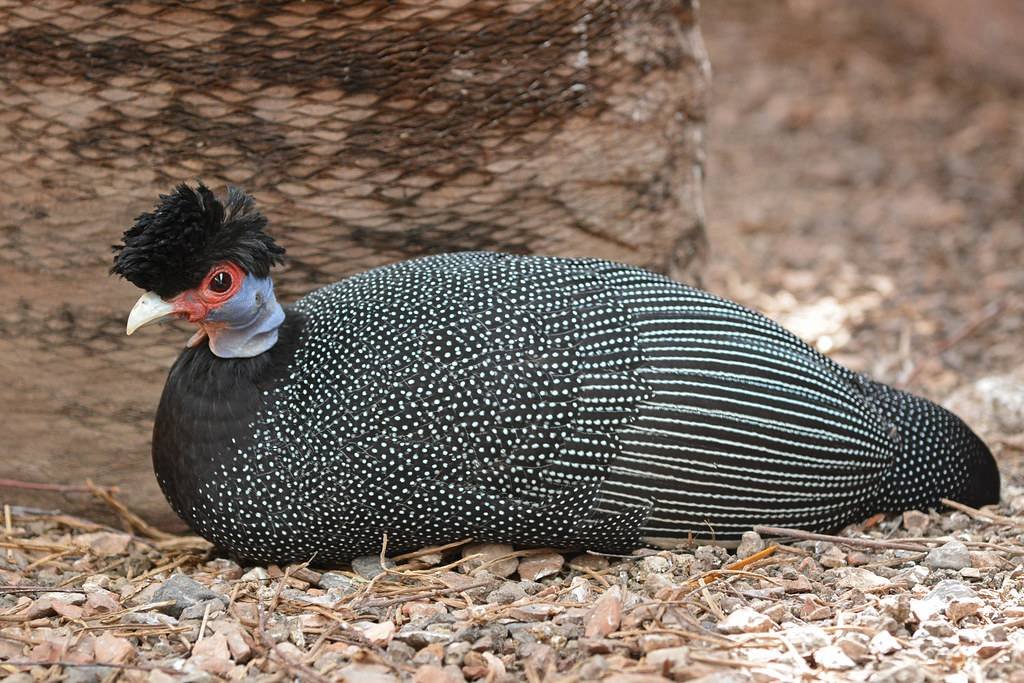
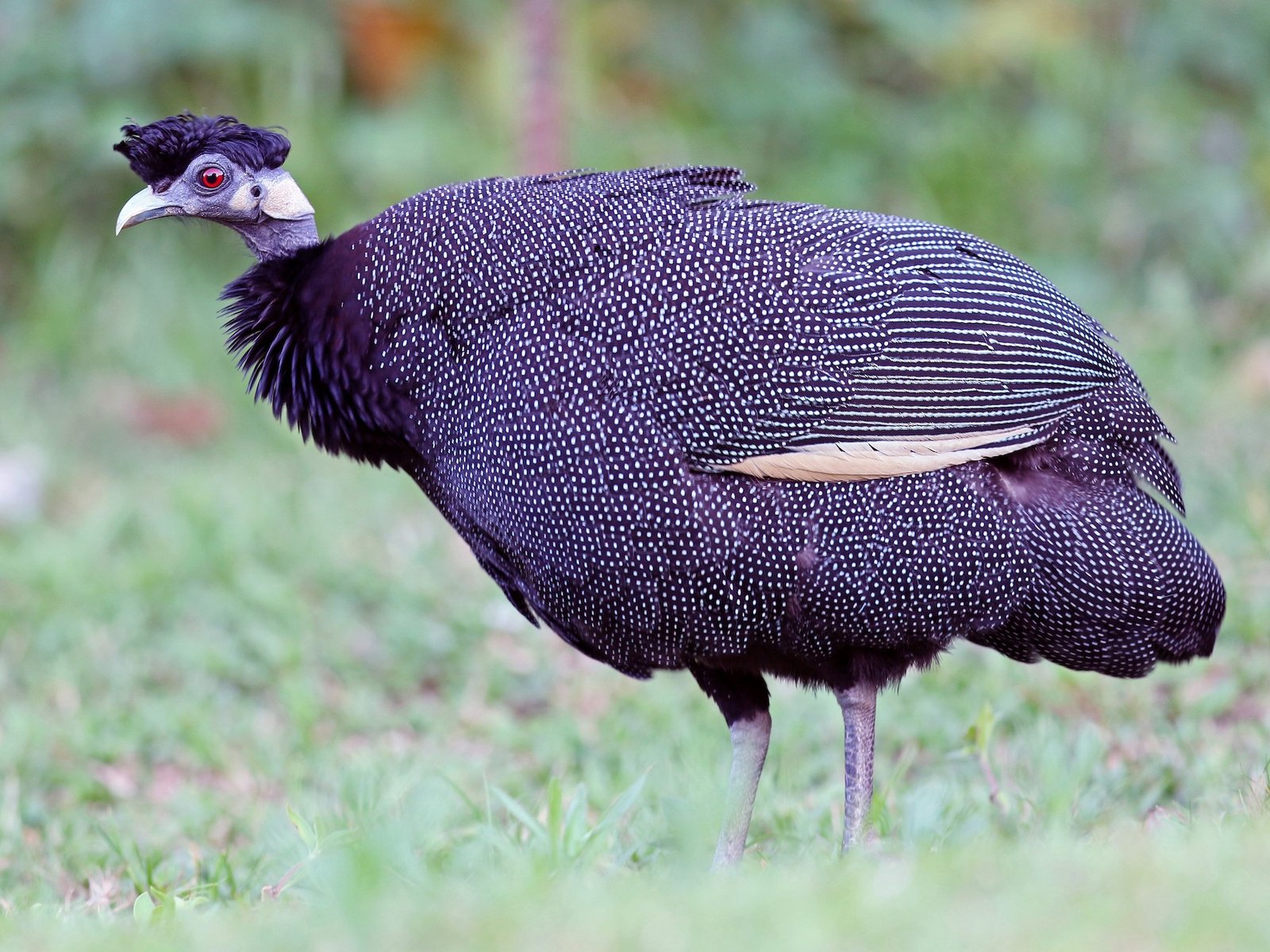
- The crest isn’t a headdress — it’s feathers. The curled black plumes on top of the head are true feathers, not the bony casque seen on other guineafowl species.
- Its face does the color work. Rather than bright body plumage, this bird shows off through bare blue-toned skin on the head and neck, accented with a patch of red around the eyes.
- The spots aren’t random. Dense white spotting across blackish plumage gives excellent camouflage in dappled forest light.
- They mate for life. Pairs form strong, long-lasting bonds, and males are known to carry food to their mate as part of courtship.
- They’re not picky eaters. As omnivores, they forage for insects, seeds, roots, and other plant matter — making their captive diet fairly flexible too.
Where They’re Found
This species occupies open forest, woodland, and forest-savanna mosaics across its East African range, rather than pure open grassland. That habitat preference is worth mirroring in captivity — a planted aviary with cover tends to suit them better than a bare, exposed enclosure.
Keeping Them Well
Because they naturally form tight pair bonds, they do best kept as established pairs or small family groups rather than singly. Ground-level foraging space, some brush cover, and a varied omnivorous diet go a long way toward keeping them healthy and settled.
Explore More African & Ornamental Birds
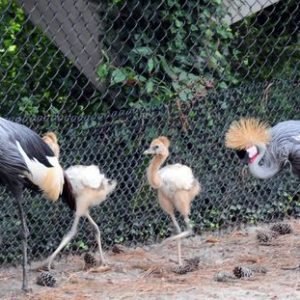
- West African Crowned Crane
- Yellow-Knobbed Curassow
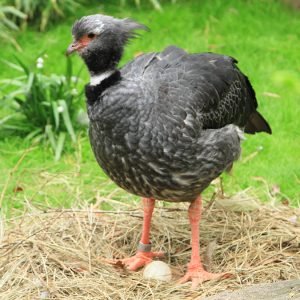
- Crested Screamer
- Indian Blue Peafowl
- See All Birds for Sale
Buyer Questions
👥 Should I buy just one, or a pair?
A bonded pair is strongly recommended — this species forms close, long-term partnerships and tends to do poorly kept alone.
🌳 Do they need forest-style cover?
Yes, some brush or planted cover in the aviary mirrors their natural woodland habitat and helps them feel secure.
🥗 What do they eat day to day?
A varied omnivorous diet of gamebird feed, seeds, greens, and occasional live or dried insects works well.