Description
Black Swan for Sale
For most of European history, “black swan” wasn’t a description — it was a figure of speech for something impossible. Poets and philosophers used it as shorthand for things that simply couldn’t exist, right up until 1697, when Dutch explorers rounded a river bend in Western Australia and found flocks of them swimming calmly on the water. The phrase never fully recovered, and today “black swan event” still describes a shock nobody saw coming.
What Sets It Apart
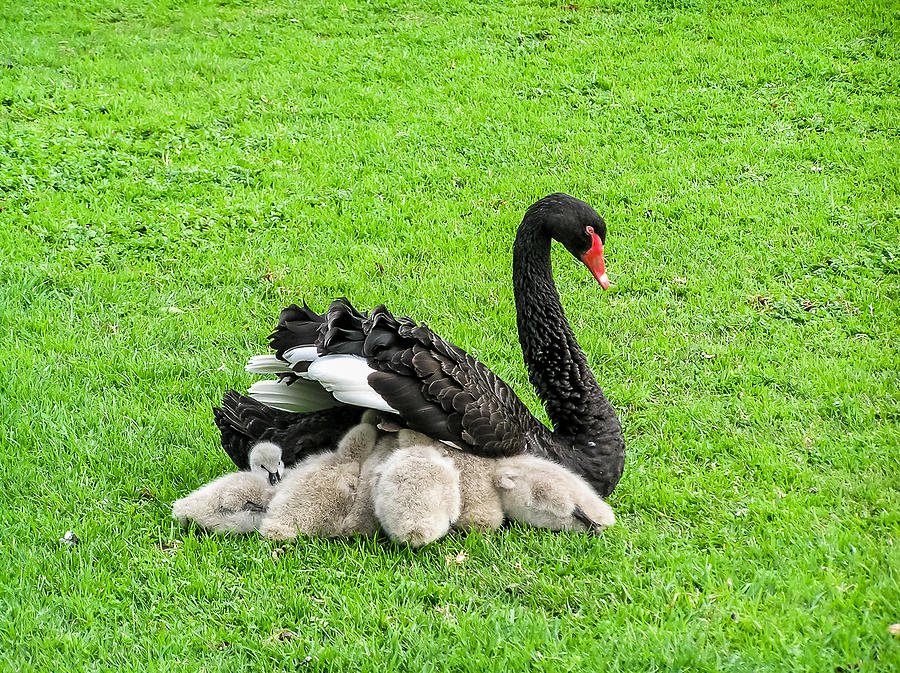
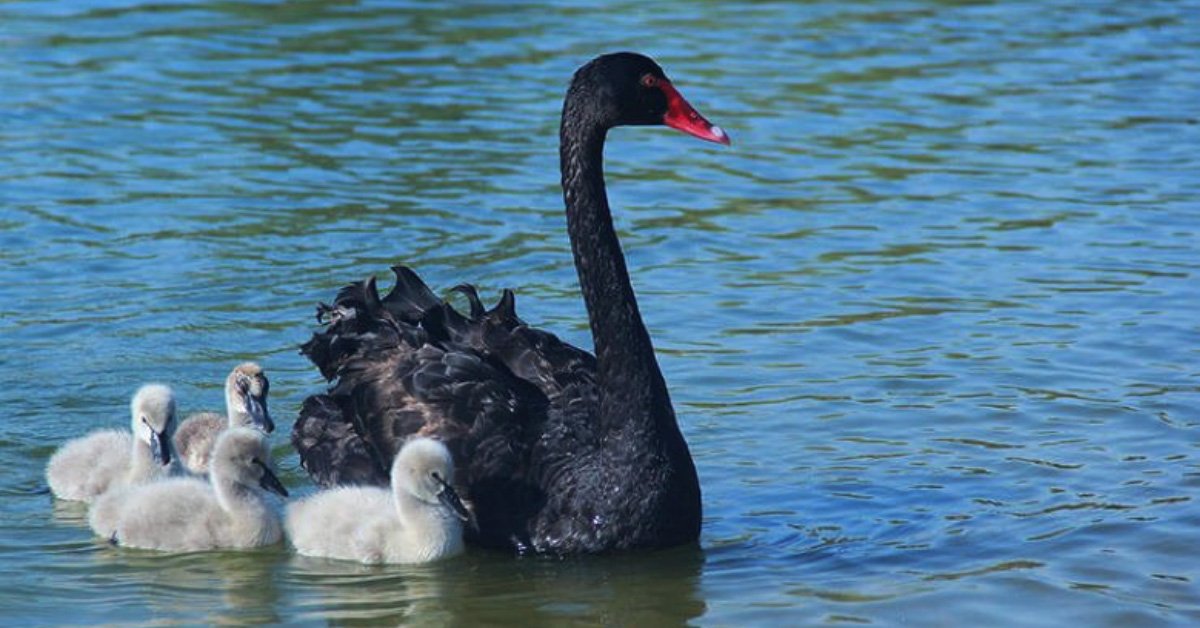
Almost entirely black-plumaged with a bright red bill tipped in white, the Black Swan reveals its only splash of contrast when it takes flight — a striking flash of white wing feathers against the dark body. Its neck runs longer and thinner than a Mute Swan’s, its closest relative, giving it a noticeably more slender silhouette on the water.
Native to Australia, Adopted Around the World
The Black Swan breeds mainly across southeastern and southwestern Australia, moving nomadically in response to rainfall and water levels rather than following a fixed migration route. Its striking look made it a popular ornamental bird throughout the 1800s, and escaped or introduced populations now persist in New Zealand and parts of Europe, though Australia remains its true stronghold. It holds a special place there too, appearing as the official bird emblem of Western Australia and featured on the state flag.
Social Life and Breeding
Unlike more solitary waterfowl, Black Swans often gather in flocks numbering into the hundreds or even thousands. Pairs generally mate for life, sharing incubation and chick-rearing duties, though researchers have found the species’ social structure is more flexible than it first appears — around a quarter of all pairings involve two males raising cygnets together, sometimes after driving off a female once she’s laid the eggs.
Feeding and Daily Habits
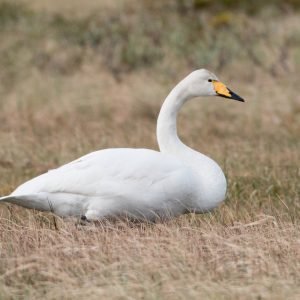
As herbivores, Black Swans feed mainly on submerged aquatic plants, reaching underwater with their long necks the way a Tundra Swan does, and occasionally grazing on land when water levels drop. Like other swans, they molt all their flight feathers at once after breeding season, leaving them flightless for about a month — a vulnerable period during which they stick close to large, open water for safety.
Keeping Black Swans
A pond or lake with room for a flock and reliable access to aquatic vegetation suits this species well. They’re generally easier-going than some other swans on this list — for a full comparison of temperament across species, our complete waterfowl collection is worth a look before deciding which swan fits your setup best.
Buyer Questions
Why were black swans considered impossible for so long?
Europeans had only ever seen white swans, so the idea of a black one became a common expression for something unthinkable — until explorers found them in Australia in 1697.
Do Black Swans migrate?
Not in the traditional sense. They move nomadically within Australia based on water availability rather than following a set migratory route.
Are they aggressive like Mute Swans?
Generally, no. They’re more social and flock-oriented, and don’t carry the same reputation for territorial aggression.