
How to Care for a Parakeet
Everything a first-time owner needs to know before bringing a parakeet home — cage setup, feeding, exercise, sleep, and the warning signs worth watching for.
Parakeets are one of the most beginner-friendly pet birds, but "easy" doesn't mean "low-effort." This guide walks through the daily and weekly habits that keep a parakeet healthy, social, and genuinely happy in its cage.
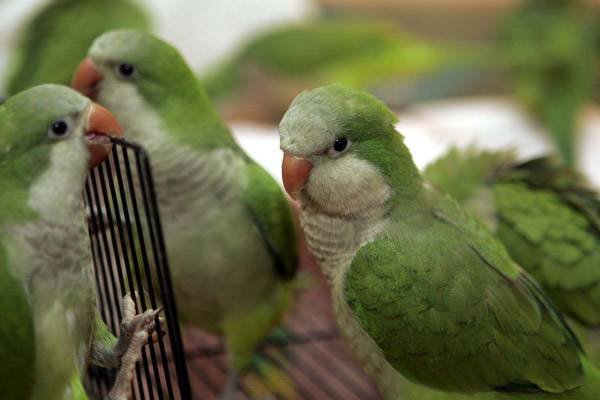
Start With the Right Cage
Parakeets fly horizontally rather than hopping up and down, so a wide cage beats a tall, narrow one every time. Give them room for a few perch sizes, easy-to-reach food and water dishes, and a couple of toys without overcrowding the space.
Keep the cage somewhere bright and social, away from direct sun, drafts, the kitchen, and anything smoky or heavily scented. Parakeets pick up on household routines quickly, so a spot near everyday activity helps them settle in.
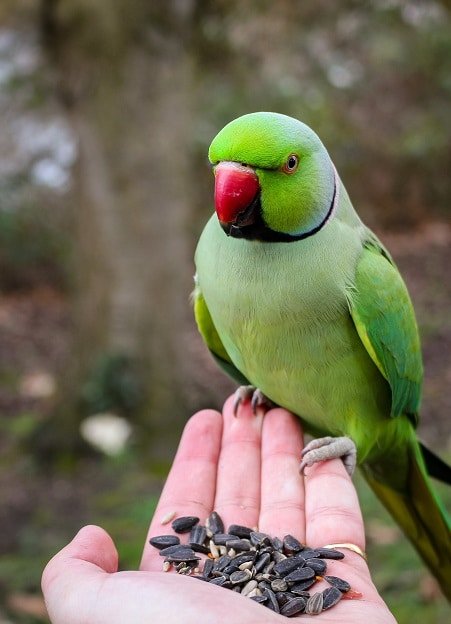
Feeding: Skip the All-Seed Diet
A seed-only diet leaves out a lot of what a parakeet actually needs. A better mix includes:
- Quality pelleted parakeet food as the base
- Fresh vegetables like carrots, broccoli, and leafy greens
- A little fruit, in moderation
- Seeds as a supplement, not the main event
- Clean water, refreshed daily
Avoid chocolate, avocado, caffeine, alcohol, and salty or sugary foods — some are genuinely toxic to birds.
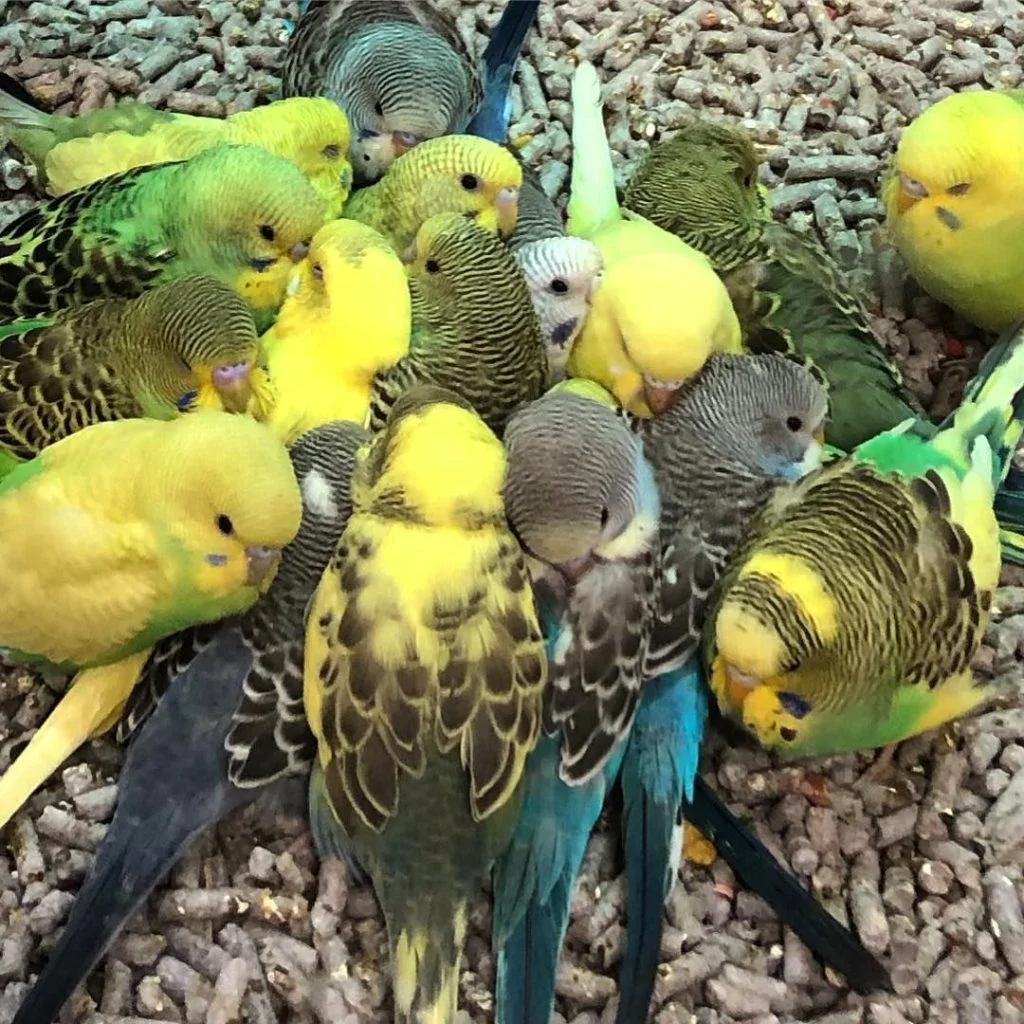
Keep Them Busy and Give Them Your Time
Boredom shows up fast as picking, screeching, or a flat mood. Toys for climbing, chewing, and swinging help — rotate them occasionally to keep things interesting. Supervised time outside the cage is great too, as long as the room is bird-proofed first.
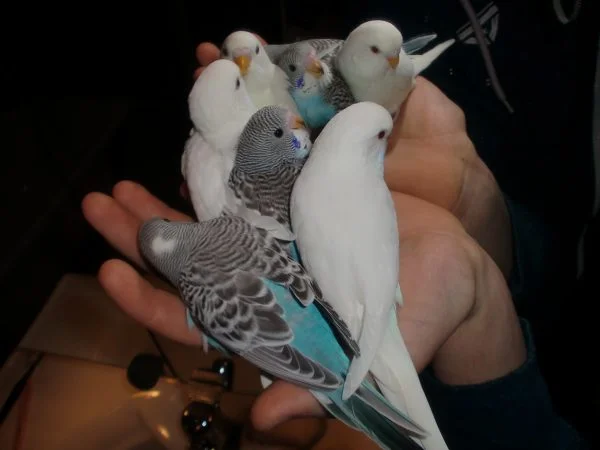
Parakeets are social by nature and do best with real daily interaction. If you're hand-training, patience matters more than speed — let your bird set the pace.
Daily Care Checklist
Clean Water Daily
Bowls contaminate fast with droppings and debris — check more than once a day, not just at feeding time.
Cage Cleaning
Wipe bowls daily, swap liners regularly, and clean perches and toys when needed — it makes health changes easier to spot too.
10–12 Hours of Sleep
Keep the sleeping area quiet, dark, and consistent — parakeets need more rest than people usually expect.
Know the Warning Signs
Birds instinctively hide illness, so it's on you to catch the subtle changes early. Watch for:
If any of these persist, contact an avian veterinarian rather than waiting it out.
Popular Parakeet Species to Explore
"Parakeet" covers a range of species, each with its own size, coloring, and temperament. A few good starting points:
Common Questions About Parakeet Care
What do parakeets eat?
A mix of quality pelleted food, bird-safe vegetables, occasional fruit, and seeds in moderation, plus fresh water every day.
Are parakeets low-maintenance?
They're beginner-friendly compared to many pet birds, but still need daily feeding, cage cleaning, social time, and occasional vet visits.
Can a parakeet live alone?
Yes, as long as it gets daily interaction from its owner — it's isolation, not solitude, that's the real problem.
How much sleep do parakeets need?
About 10 to 12 hours of quiet, dark, uninterrupted sleep each night.
Ready to bring one home?
Browse healthy, well-socialized parakeets and everything you need to set up their new home.