Description
Budgerigars for Sale Online
Small, social, and endlessly chatty. The bird that introduced most people to parrot ownership.
📊 Least Concern
🎨 Dozens of Color Varieties
Ask most bird owners about their first pet parrot, and there’s a good chance it was a budgie. This small Australian native has become the world’s most popular pet parrot, and it’s easy to see why. It’s compact, social, and surprisingly expressive for such a small bird.
Getting to Know Your Budgie’s Habits
Budgies communicate constantly, and most of it is completely normal. Grinding the beak usually means a relaxed, sleepy bird. A quick feather shake or puff-up often follows preening or a good stretch. Chewing keeps the beak trimmed and healthy, so expect toys and perches to take some damage over time. Occasional regurgitating toward a favorite person or mirror is simply a sign of affection, not sickness. Above all, budgies mimic sounds constantly, and many turn out to be surprisingly strong talkers for their size.
Telling Males From Females
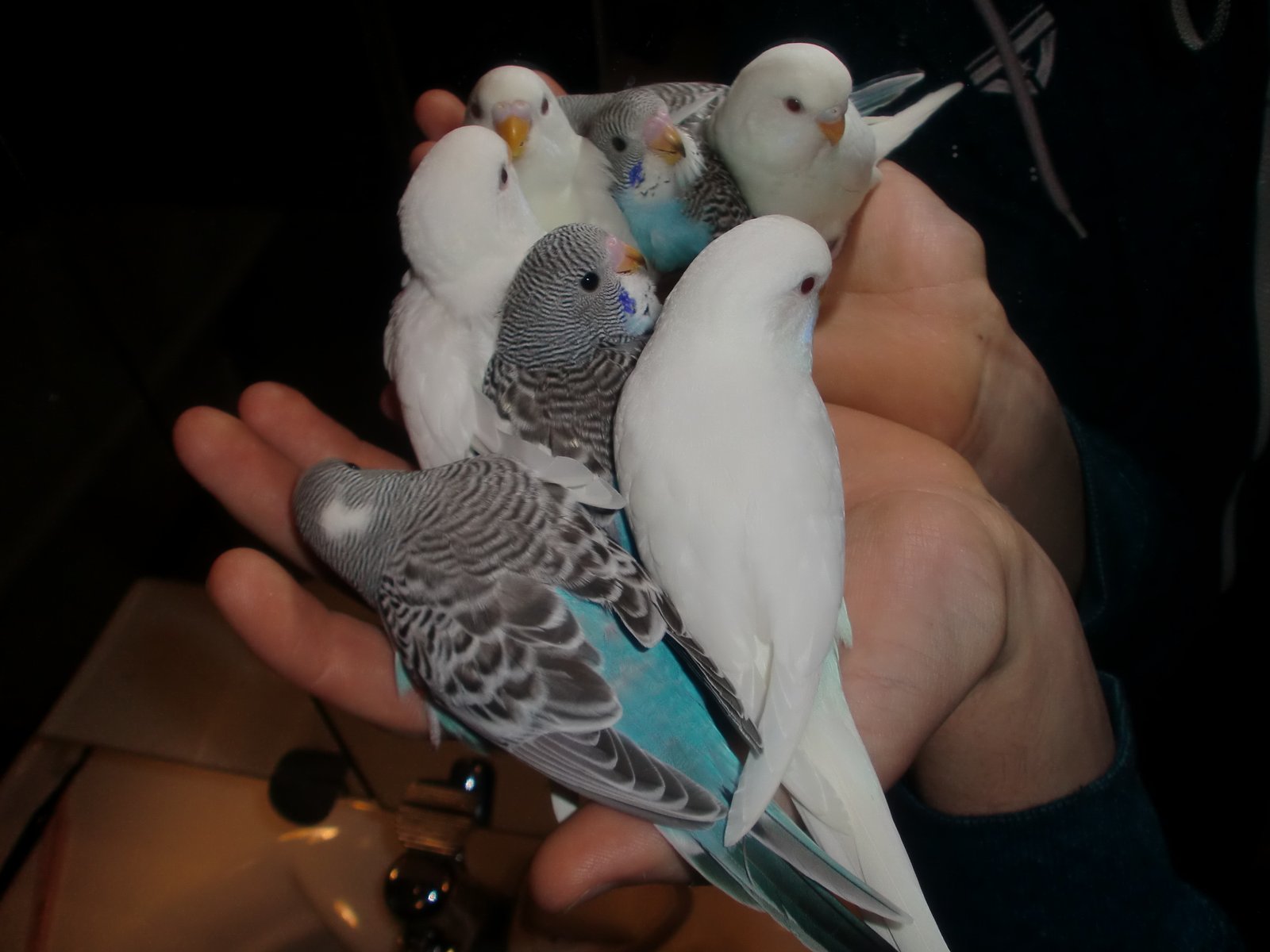
Look at the cere, the small fleshy patch above the beak. Adult males usually show a smooth, solid blue cere. Females typically show tan or brown, especially when in breeding condition. Young birds of both sexes start out with a similar pinkish-purple cere, so sexing chicks reliably takes a bit more patience.
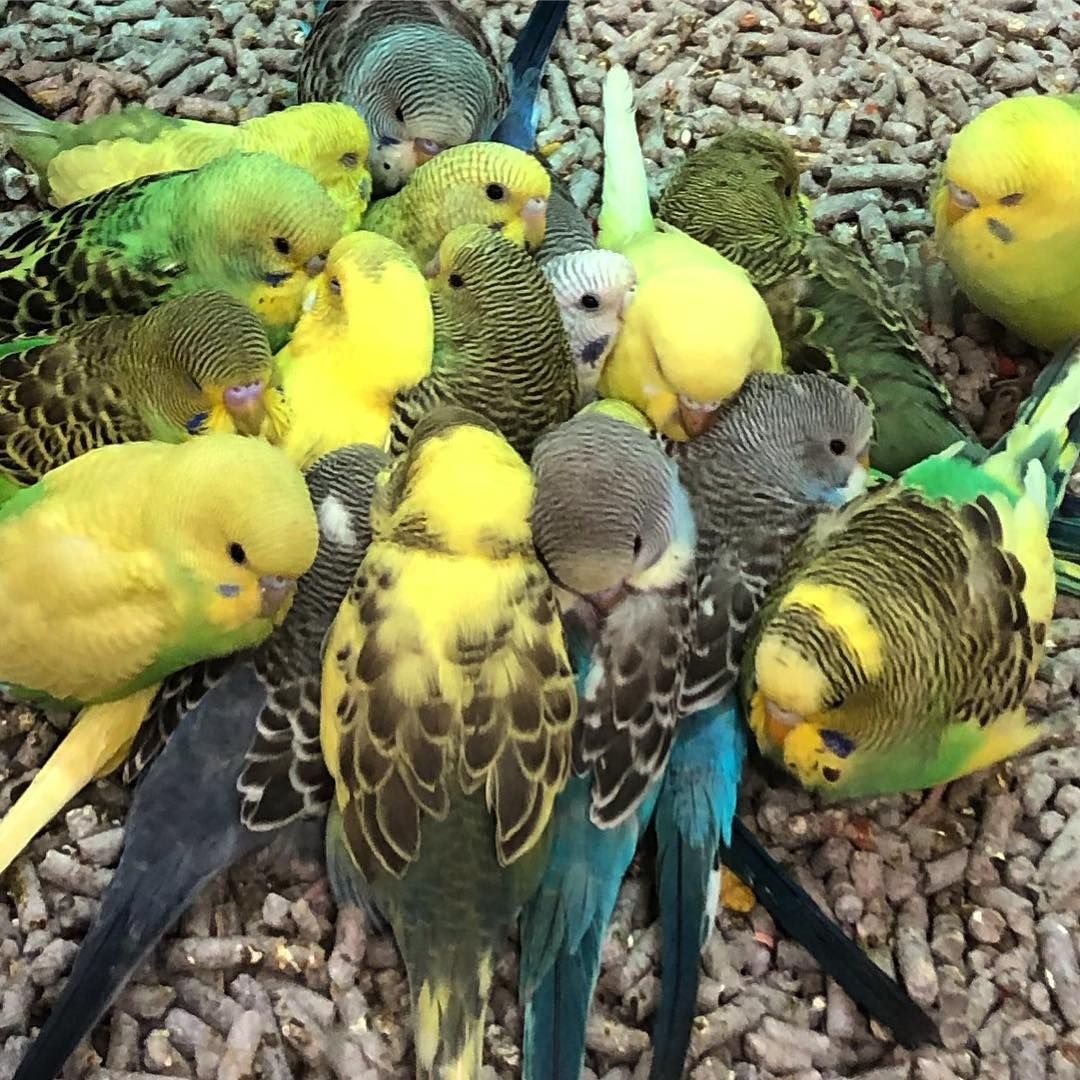
Wild budgies are strictly green and yellow with black scalloped markings. Selective breeding changed everything. Today’s varieties include blue, white, grey, and countless patterned combinations. Compared to a more visually consistent species like the Alexandrine Parakeet, budgie color options are nearly endless.
Range and Natural Behavior
In the wild, budgies roam the arid interior of Australia. They live nomadically, following rainfall and seeding grasses across the landscape. Large flocks form wherever food and water line up. That same social instinct carries over into captivity, which is part of why budgies do so well living alongside people.
Diet and Everyday Care
Wild budgies eat grass seeds and cereal grains almost exclusively. Captive diets can do better than seed alone, though. A quality pellet base, mixed with fresh vegetables and the occasional seed treat, supports better long-term health. For a look at other beginner-friendly parakeets, our Monk Parakeet page is worth checking out too.
Buyer Questions
Are budgies good for first-time bird owners?
Yes, they’re one of the most beginner-friendly parrots available, thanks to their small size and easygoing nature.
How can I tell if my budgie is male or female?
Check the cere above the beak. Blue usually means male, while tan or brown usually means female.
Can budgies really learn to talk?
Yes, many can. Some budgies have even built vocabularies rivaling much larger parrot species.
Why does my budgie grind its beak?
Beak grinding is a normal, contented behavior, often seen right before a budgie settles in to sleep.
What colors do budgies come in?
Wild birds are green and yellow, but captive breeding has produced blue, white, grey, and many other varieties.
What should I feed my budgie?
A quality pellet mix works best as a base, rounded out with fresh vegetables and occasional seed treats.
Do budgies need to be kept in pairs?
Not necessarily. A single, well-socialized budgie can bond closely with its owner, though pairs also do well together.