Description
A Green Peafowl Native to Java
The Javan form is associated with Java Island in Indonesia. Research has documented remaining populations in protected areas and other suitable landscapes, including teak plantations and rugged limestone areas in parts of central and eastern Java.
Metallic Green Display
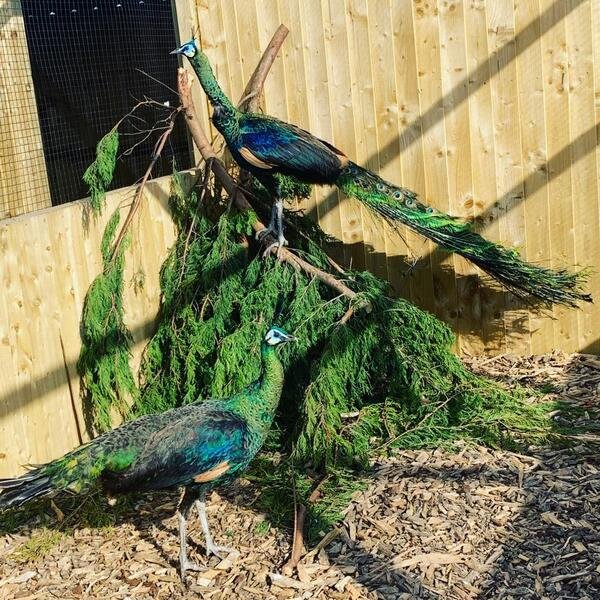
The male has strongly iridescent green plumage, a long train, and blue-yellow facial skin. During courtship, he raises and spreads the train into a large display.
Similar Green Tones
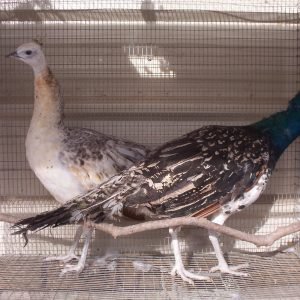
Females have less elaborate plumage than males. They retain green coloration but lack the male’s long train and intense display feathers.
Forest, Woodland & Open Areas
Green Peafowl use a range of habitats, with dry deciduous forest and access to permanent water being particularly important in parts of Southeast Asia. Java populations have also been recorded in protected lowland areas, teak plantations, and other suitable landscapes.
Java Green Peafowl Diet
Green Peafowl are ground-foraging birds with an omnivorous diet. Their natural foods can include seeds, grains, fruits, plant material, and small invertebrates.
Grains
Fruits
Plant foods
Invertebrates
Ground Foraging & Courtship
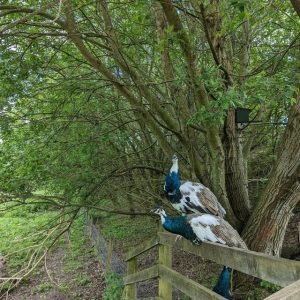
Green Peafowl spend considerable time foraging on the ground, while trees provide important roosting opportunities. Males use their long trains during courtship displays.
Java Green Peafowl Conservation
Green Peafowl populations have declined across their former Southeast Asian range. Research on Java has highlighted habitat destruction and excessive hunting as major historical pressures. Today, protected areas and habitat conservation remain important for maintaining the species.
Responsible Ownership Information
Because Green Peafowl are endangered, any captive management should follow applicable wildlife laws and use properly documented, legally sourced birds. Wild-caught birds and undocumented trade can create additional conservation risks.
Explore our complete bird collection or discover another colorful bird such as the Rainbow Lorikeet.
Java Green Peafowl FAQs
What is a Java Green Peafowl?
Java Green Peafowl refers to the Javan form of the Green Peafowl, traditionally identified as Pavo muticus muticus.
Where does the Java Green Peafowl live?
It is native to Java, Indonesia. Remaining populations occur in protected and suitable habitats across parts of the island.
What does a Java Green Peafowl look like?
It has predominantly green, metallic plumage. Males develop a long ornamental train and distinctive blue-yellow facial markings.
What does the Java Green Peafowl eat?
Its diet includes seeds, grains, fruits, plant material, and small invertebrates.
Is the Java Green Peafowl endangered?
Yes. The Green Peafowl is classified as Endangered, with habitat loss and hunting among the major threats documented across its range.
Does the Java Green Peafowl need water nearby?
Access to permanent water is an important habitat factor for Green Peafowl. Studies have found stronger habitat use where suitable water is available.
Can Java Green Peafowl be kept in captivity?
Captive management is subject to wildlife laws and conservation regulations. Any legitimate captive bird should have appropriate legal documentation and traceable captive-bred provenance.