
Description
Military Macaw for Sale Online
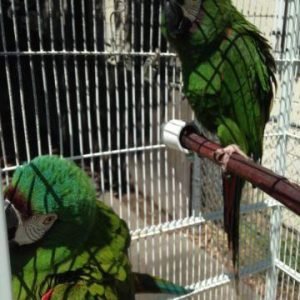
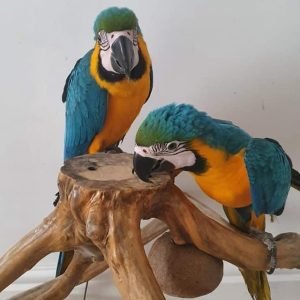
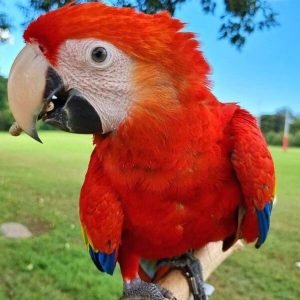
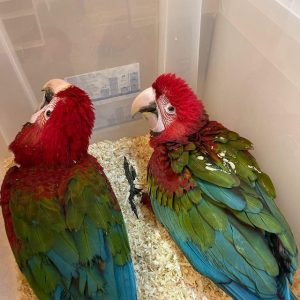
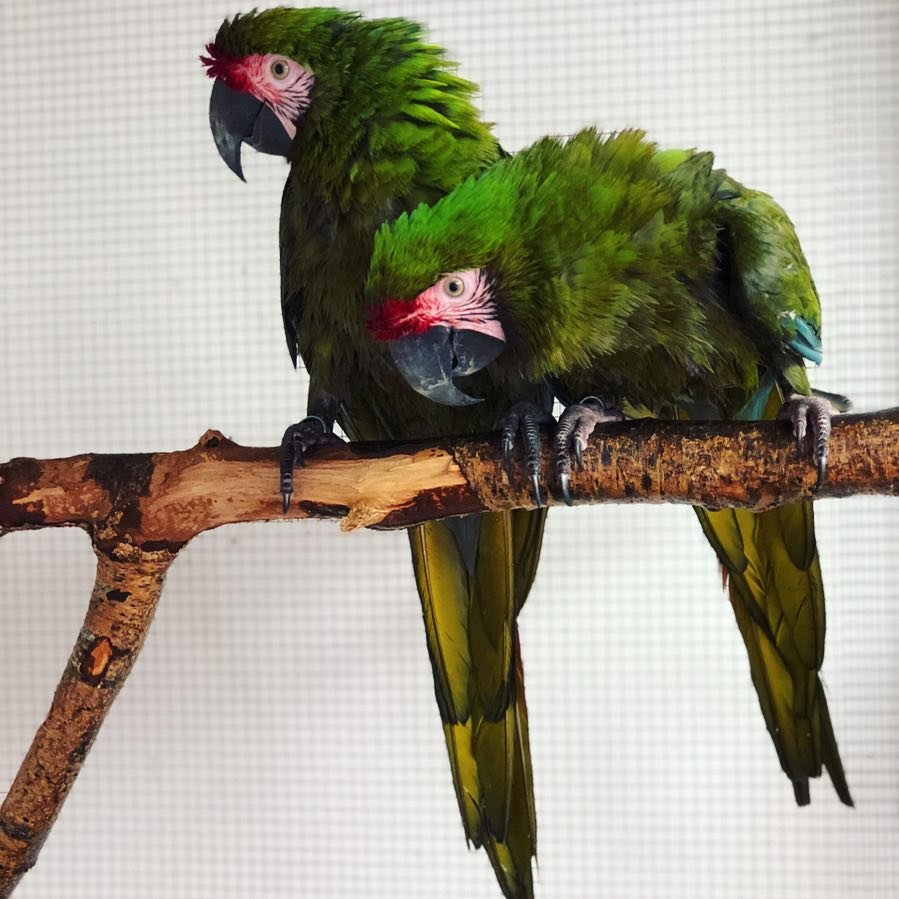
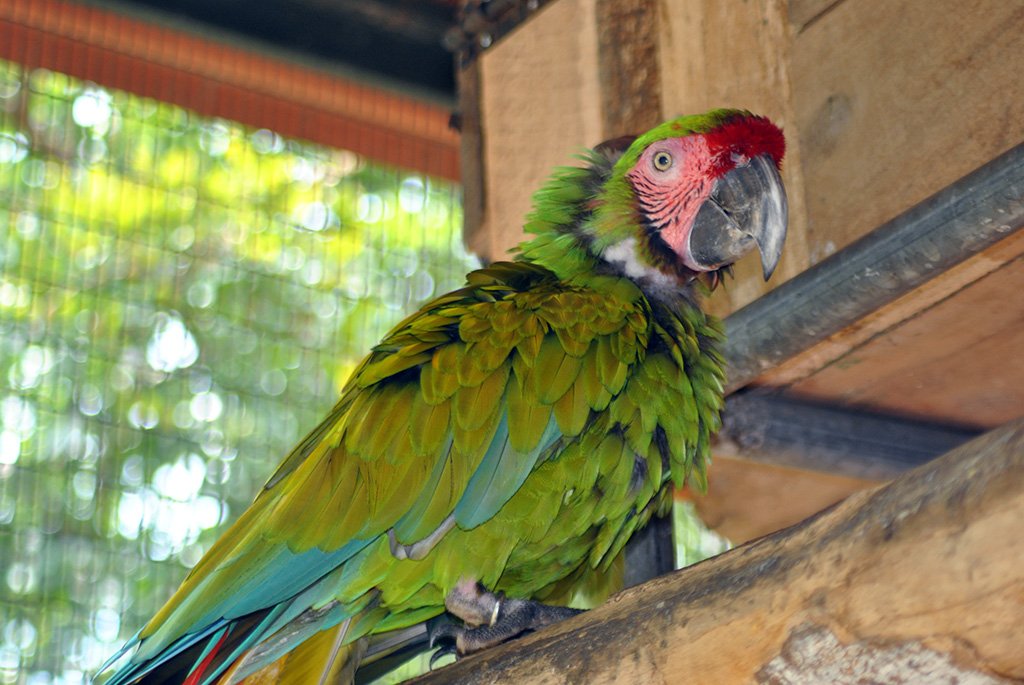
The Military Macaw (Ara militaris) is a large green macaw known for its red forehead, blue flight feathers, and bright blue rump.
Ara militaris
70–75 cm
About 900 g
Vulnerable
Military Macaw Appearance
Adults are mostly green with a bright red forehead, blue flight feathers, and a sky-blue rump.
The face is bare with fine dark feather lines, while the eyes are yellow in adults.
([parrots.org](https://parrots.org/encyclopedia/military-macaw/))
Mountain Forests & Wooded Valleys
Military Macaws occur across parts of Mexico, Central and South America.
They use wooded foothills, valleys, dry woodland, humid forest, and riparian areas,
with populations occurring from low elevations to mountainous regions.
([parrots.org](https://parrots.org/encyclopedia/military-macaw/))
Military Macaw Diet
Wild Military Macaws eat fruits, figs, palm foods, seeds, nuts, and other plant material.
In captivity, a suitable macaw diet can include complete pellets, appropriate nuts,
vegetables, fruits, and other fresh foods. ([parrots.org](https://parrots.org/encyclopedia/military-macaw/))
Social Behavior
Military Macaws are usually seen in pairs or small groups.
However, they can gather in much larger numbers at communal roosts on cliffs or large trees.
Their calls are loud and can carry across long distances. ([parrots.org](https://parrots.org/encyclopedia/military-macaw/))
Military Macaw Care
These large macaws need exceptionally spacious housing. The World Parrot Trust recommends access to
an enclosure at least 15 metres long for part of the year and does not recommend permanent indoor housing.
([parrots.org](https://parrots.org/encyclopedia/military-macaw/))
In addition, provide strong bird-safe wood, large chew toys, safe perches, bathing opportunities,
fresh water, and daily enrichment.
Tree Cavity Nests
Military Macaws nest in tree cavities. A clutch commonly contains 2–3 eggs,
and young birds may fledge at around 13 weeks. ([parrots.org](https://parrots.org/encyclopedia/military-macaw/))
Vulnerable Species
The Military Macaw is classified as Vulnerable and listed under
CITES Appendix I. Habitat loss and trapping for trade continue to affect wild populations.
The World Parrot Trust estimates about 2,000–7,000 mature individuals, with numbers decreasing.
([parrots.org](https://parrots.org/projects/military-macaw-conservation/))
Explore More Birds
Browse our bird collection
or explore our Rainbow Lorikeet.
Military Macaw FAQs
What is the scientific name of the Military Macaw?
Its scientific name is Ara militaris.
What does a Military Macaw look like?
It is mostly green with a red forehead, blue flight feathers, and a blue rump.
How large is a Military Macaw?
Adults are about 70–75 cm long and weigh around 900 g.
Where does the Military Macaw live?
It occurs in parts of Mexico, Central America, and South America.
What does a Military Macaw eat?
Its natural diet includes fruits, figs, palm foods, seeds, nuts, and other plant foods.
Are Military Macaws social?
Yes. They commonly occur in pairs or small groups and gather at communal roosts.
Is the Military Macaw endangered?
It is classified as Vulnerable and listed under CITES Appendix I.