

Description
Mexican Parrotlet for Sale
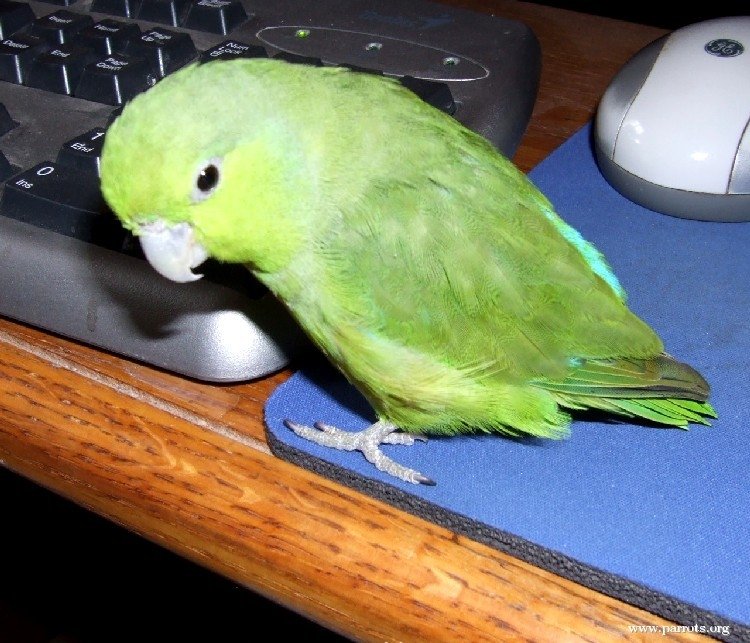
Tiny, social, and full of color, the Mexican Parrotlet stands out with bright green feathers and turquoise-blue markings.
📊 Near Threatened
📏 Around 5 Inches
The Mexican Parrotlet (Forpus cyanopygius) is a small parrot native to western Mexico. Although compact, it is highly social and often travels in active flocks. Its green body, turquoise rump, and quick flight make it easy to recognize in its natural range.
Mexican Parrotlet Identification
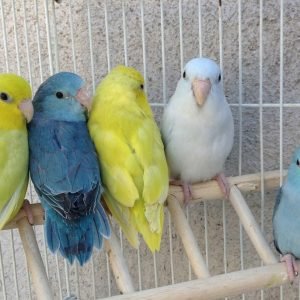
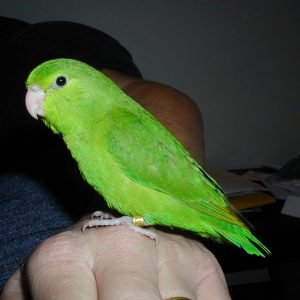
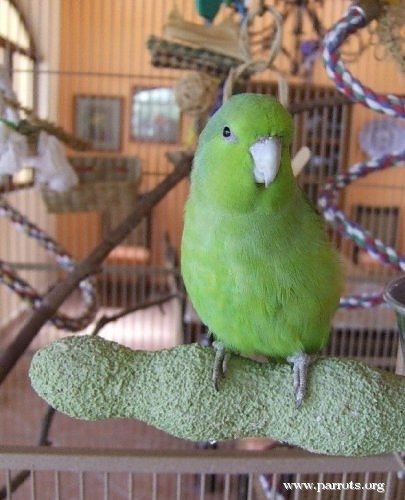
Mexican Parrotlets have bright yellow-green plumage and a compact body. Males show noticeable turquoise-blue on the rump and wings, while females are generally greener and lack the strong blue markings. Their small size and fast, bounding flight also help identify them in the wild.
The species is also known as the Turquoise-rumped Parrotlet or Mexican Blue-rumped Parrotlet. The bright turquoise feathers on males create a striking contrast against the mainly green body.
Range and Natural Habitat
This species occurs along Mexico’s Pacific slope, including areas from Sinaloa and western Durango south toward Colima. It uses deciduous woodland, gallery forest, scrub, plantations, forest edges, and semi-open areas with trees, generally at lower elevations.
Social Behavior
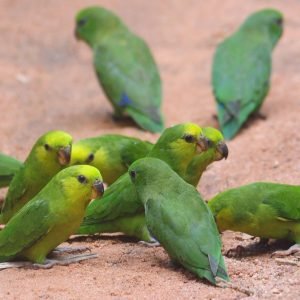
Mexican Parrotlets are naturally social and are often seen in groups while searching for food. They may form flocks of several birds and can sometimes gather in much larger groups around productive feeding areas. They are especially active during the morning and late afternoon.
Diet and Feeding
In the wild, Mexican Parrotlets feed on fruits, berries, figs, and grass seeds. They may also forage on the ground for fallen food. In captivity, a balanced parrotlet diet should be supported with suitable fresh produce and clean drinking water.
Breeding and Nesting
Mexican Parrotlets are believed to nest in tree cavities and other suitable hollow spaces. The breeding season varies by location, with May through July reported for the species. Captive breeding information is more limited, so responsible breeding requires suitable nest facilities, nutrition, and experienced care.
Explore More Parrots
Looking for more colorful parrots? Browse our complete bird collection or compare the bright colors and lively nature of the Rainbow Lorikeet.
Mexican Parrotlet Buyer Questions
Appearance and Personality
What does a Mexican Parrotlet look like?
Mexican Parrotlets are small green parrots with compact bodies. Males have striking turquoise-blue feathers on the rump and wings. Females are mainly yellow-green and lack the stronger blue markings seen in males. Their small size and bright colors make them distinctive among Mexican parrots.
How big is a Mexican Parrotlet?
The Mexican Parrotlet is a very small parrot, generally around 13–14 cm long. Despite its compact body, it has the typical active and social behavior associated with parrotlets. Its small size also makes suitable cage space and enrichment especially important.
Are Mexican Parrotlets social birds?
Yes. Wild Mexican Parrotlets commonly travel in groups while searching for food. They can gather in flocks ranging from several birds to much larger groups when food is plentiful. Their social nature makes regular interaction and enrichment important in managed care.
Habitat and Diet
Where do Mexican Parrotlets come from?
Mexican Parrotlets are native to western Mexico along the Pacific slope. Their range includes areas from Sinaloa and western Durango toward Colima. They use woodland, scrub, forest edges, plantations, and semi-open areas with trees.
What do Mexican Parrotlets eat?
Their natural diet includes figs, berries, other fruits, and grass seeds. They often forage for food in trees as well as on the ground. In captivity, a balanced diet with suitable formulated food and fresh produce can help support good nutrition.
Do Mexican Parrotlets live in flocks?
They can. Wild birds are often seen in groups while moving between feeding areas and roosting sites. World Parrot Trust reports groups of around 4–30 birds, while eBird notes that larger flocks can also occur. Their group behavior changes with food availability and local conditions.
Breeding and Care
Where do Mexican Parrotlets nest?
Mexican Parrotlets are believed to use tree cavities for nesting. Their breeding biology is not as well documented as that of some common parrot species. For captive breeding, a suitable nest box, quiet environment, balanced nutrition, and experienced monitoring are important.
Are Mexican Parrotlets endangered?
The Mexican Parrotlet is currently classified as Near Threatened. Its restricted range, habitat changes, and illegal capture have contributed to conservation concerns. Responsible captive breeding and avoiding wild-caught birds are therefore important considerations for anyone interested in the species.
Reference:
World Parrot Trust – Mexican Parrotlet