

Description
Pacific Parrotlet for Sale
Proof that big personality doesn’t need a big body. Barely bigger than a finch, twice as bold.
📊 Least Concern
📏 Around 5 Inches
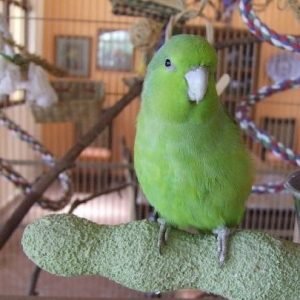
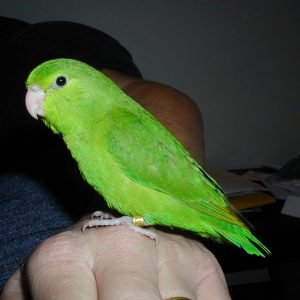
Don’t let the size fool you. This bird measures barely five inches long. Yet it carries the confidence of a parrot three times its size. Owners often describe parrotlets as feisty, affectionate, and stubborn all at once. In other words, they know exactly what they want.
Should You Keep One or Two?
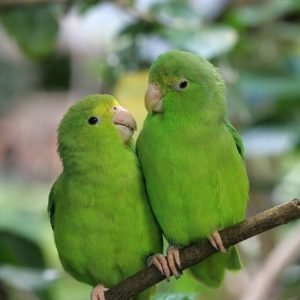
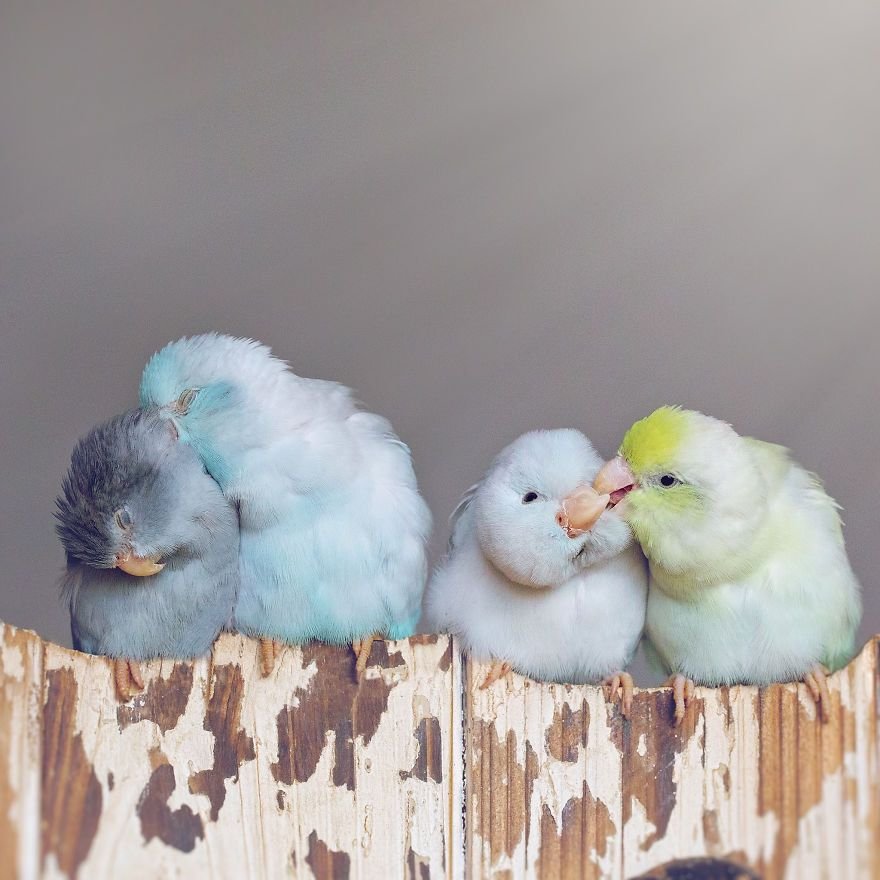
If you want a true companion bird, stick with one. Here’s why: a bonded pair usually attaches to each other first. The owner comes second, if at all. A single, hand-raised parrotlet, on the other hand, tends to bond tightly with its person instead. That bond can rival much larger parrot species.
Males vs. Females
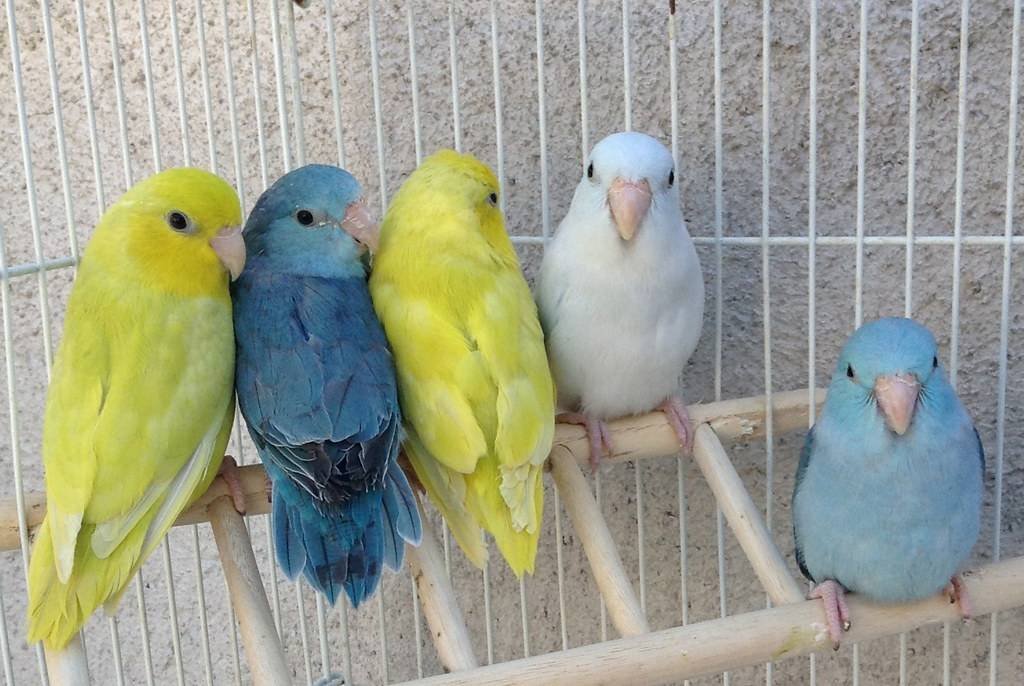
Telling the sexes apart is easy with this species. Males show streaks of blue behind the eyes, often called “eyeshadow.” They also carry blue on the wings and rump, ranging from deep cobalt to pale lavender. Females, meanwhile, stay mostly green. Some do show a touch of blue on the rump, but never on the wings.
Parrotlets can learn to talk, just like their larger cousins. Their vocabulary stays smaller than a bird such as the Quaker Parrot. Even so, many owners are surprised by how clearly a bird this small can speak.
Range and Habitat
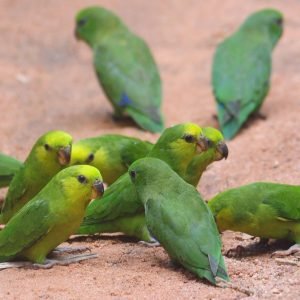
This species comes from the Pacific coast of Ecuador and northwestern Peru. There, it favors dry scrub and semi-open woodland. Wild birds aren’t fussy about nesting spots either. They’ll use tree holes, fence posts, or even the old nests of other bird species.
Diet and Daily Care
In the wild, parrotlets eat berries and cactus fruit. In captivity, their needs expand a bit. A varied diet of quality seed or pellets works well as a base. Add fresh fruits, vegetables, and the occasional herb for balance. With proper care, this species can live up to 25 years.
Buyer Questions
Are Pacific Parrotlets good for beginners?
They can be, but their strong personality means new owners should expect a willful, opinionated bird rather than a passive one.
Why shouldn’t I keep two if I want a companion bird?
A pair usually bonds to each other first, which often leaves less room for a strong bond with you.
How do I tell males and females apart?
Look at the wings and rump. Males show blue there and behind the eyes, while females stay mostly green.
Can Pacific Parrotlets learn to talk?
Yes, many can. Their vocabulary tends to be smaller than larger parrots, but clear speech is common.
How long do Pacific Parrotlets live?
With good care, they can live up to 25 years, which is impressive for such a small bird.
What should I feed them day to day?
A quality seed or pellet mix works as a base. Round it out with fresh fruits, vegetables, and herbs.
Where do Pacific Parrotlets come from originally?
They’re native to the dry coastal scrub of Ecuador and northwestern Peru.