

Description
Mute Swan for Sale
No bird carries quite the same fairy-tale reputation as the Mute Swan. With its curved neck, orange bill, and effortless glide across still water, it’s the swan of ballets, storybooks, and European folklore. However, that graceful image only tells half the story.
Reputation vs. Reality
Identification
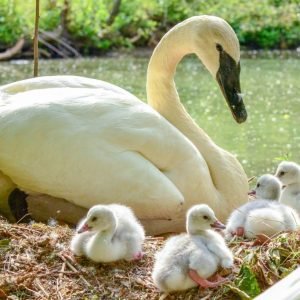
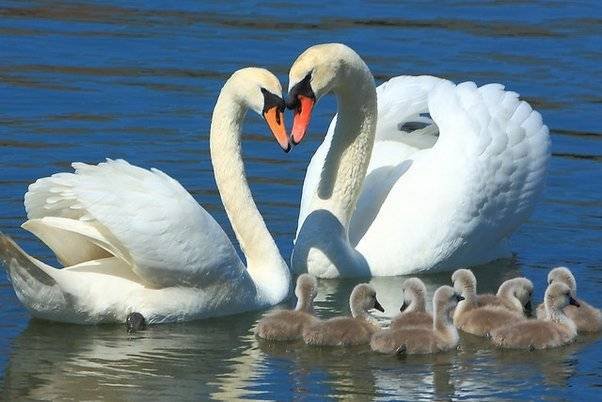
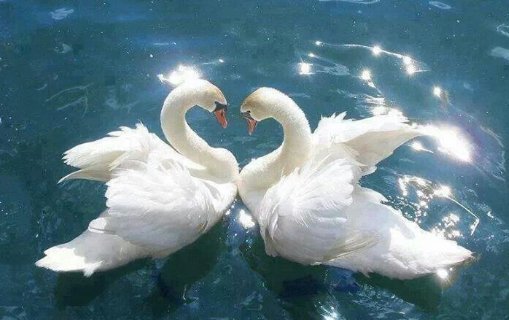
Look for a bright orange bill with a black knob at the base, larger and more prominent in males. The neck curves into a distinctive S-shape, and wings are often held slightly raised above the back while swimming — a posture unique to this species among swans.
Not Actually Mute
Despite the name, this swan isn’t silent. It hisses when threatened and grunts softly during normal activity, and in flight, its wingbeats produce a distinctive throbbing hum audible from nearly a mile away. Compared to the loud trumpeting of other swan species, though, it’s noticeably quieter — which is likely how the name stuck.
Range and Habitat
Native populations occupy wetlands, lakes, and rivers across Europe and parts of western Asia. Introduced populations also exist in North America, southern Africa, and New Zealand, where the species often settles into city parks, ponds, and estuaries.
Keeping Them Safely
Because of their territorial nature, Mute Swans need ample space, particularly during breeding season when aggression peaks. Keep a respectful distance from nests, supervise interactions with other waterfowl, and provide plenty of open water and aquatic vegetation for foraging.
Other Waterfowl You Might Like
Buyer Questions
Is it legal to keep a Mute Swan where I live?
It depends on your state — because of their invasive status outside Europe and western Asia, regulations vary widely, so check local wildlife rules before buying.
Are Mute Swans dangerous to people?
They can be, particularly near a nest. Give them plenty of space and supervise interactions with children or pets during breeding season.
Why are they called “mute” if they’re not silent?
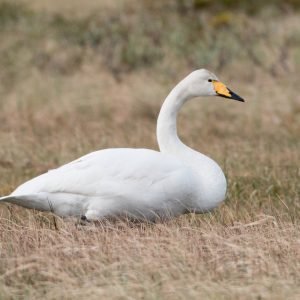
They’re simply quieter than other swan species, relying more on hisses, grunts, and wing sounds than the loud trumpeting calls of relatives like the Whooper Swan.