Description
Mountain Quail for Sale

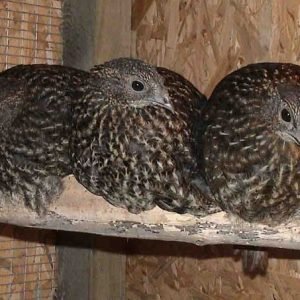
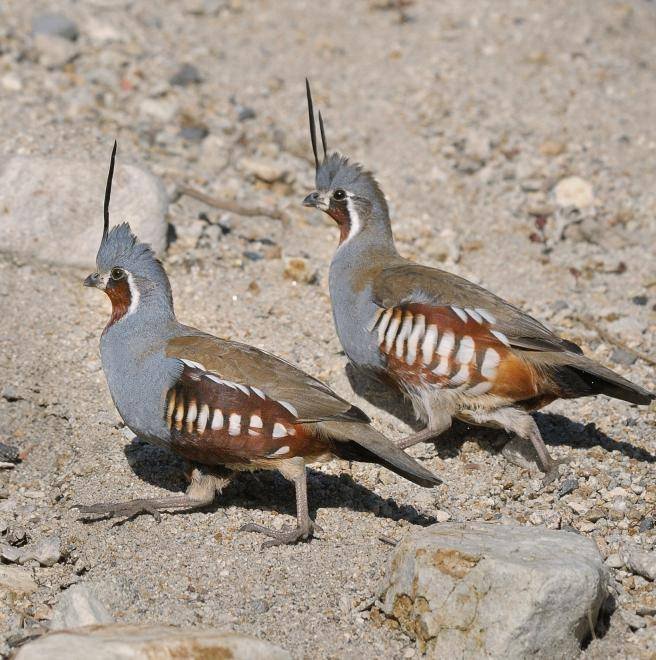
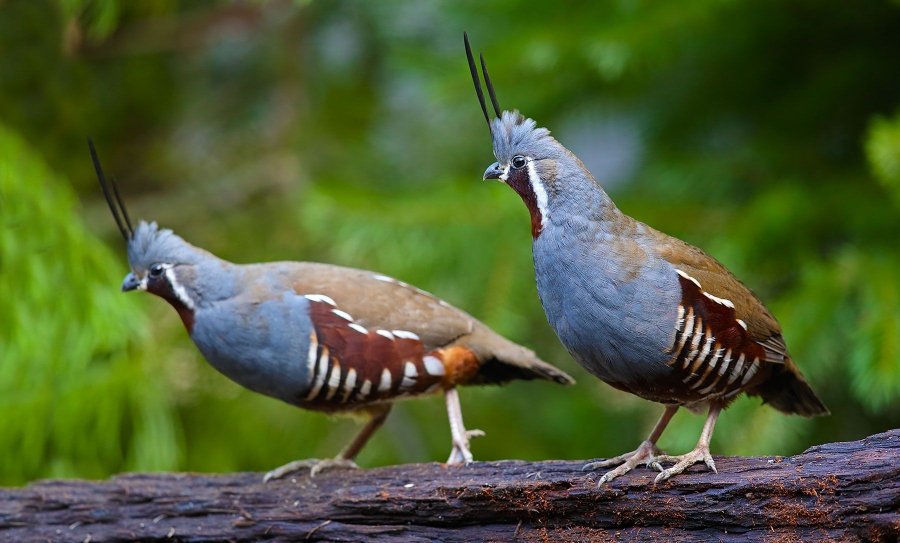
Looking for Mountain Quail for sale? This ground-dwelling bird, native to the mountain ranges of western North America, stands out with a plump body, bold black-and-white flank stripes, and a distinctive straight head plume. Because it’s the largest quail species in the United States, it makes a striking addition to any flock — though it does ask a bit more from its keeper than smaller quail breeds.
| Trait | Detail |
|---|---|
| Scientific Name | Oreortyx pictus |
| Size | About 11 inches long, 6–9 oz |
| Lifespan | 3–6 years |
| Care Level | Moderate to difficult — best for experienced keepers |
| Diet | Seeds, bulbs, leaves, berries, some insects |
Why Choose Mountain Quail for Your Aviary
Since Mountain Quail are ground-dwellers that rarely perch, they need an aviary floor with plenty of cover — dense brush, leaf litter, and hiding spots let them behave naturally instead of staying stressed and exposed. Because they forage constantly, scratching through leaf litter and even digging for bulbs, a planted or well-mulched enclosure keeps them active and engaged. They also do well alongside calm aviary companions like finches, canaries, or small docile doves, although caution is needed with lovebirds, which can turn aggressive toward quail.
As the Cornell Lab’s All About Birds guide notes, this species’ diet shifts with the seasons, moving between seeds, bulbs, acorns, and berries, with insects making up a larger share for young birds. Matching that variety in captivity — fresh greens, seed mix, mealworms, and the occasional fruit — helps replicate their natural feeding pattern and keeps them in good condition.
FAQs
🏠 What kind of housing do they need?
A ground-level aviary with dense cover and hiding spots, since they rarely fly and prefer to run from danger rather than take flight.
🥗 What do they eat?
Mostly seeds, bulbs, leaves, and berries, with insects making up a bigger share of the diet in younger birds.
🐣 Are they beginner-friendly?
Not especially — because their care needs are more involved than common quail breeds, they suit keepers with some prior aviary experience.