Description
Black Pawn Pionus for Sale
A distinctive Pionus companion parrot with a compact build, intelligent nature, and calm personality.
🦜 Pionus Parrot
🧠 Intelligent
🤝 Social
Meet the Black Pawn Pionus
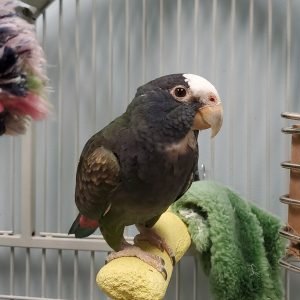
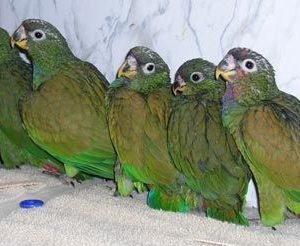
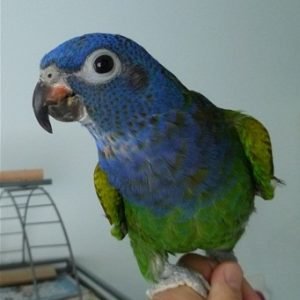
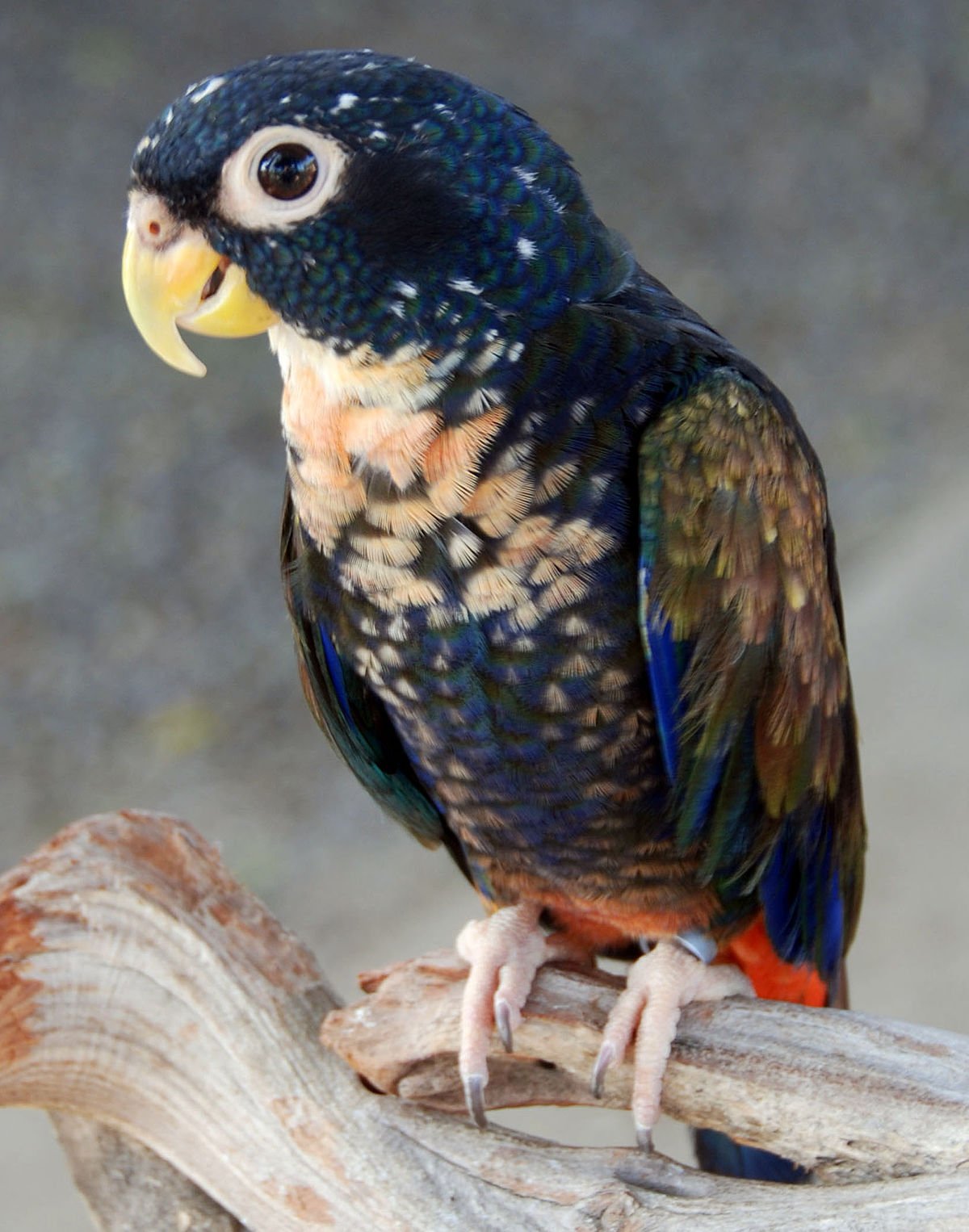
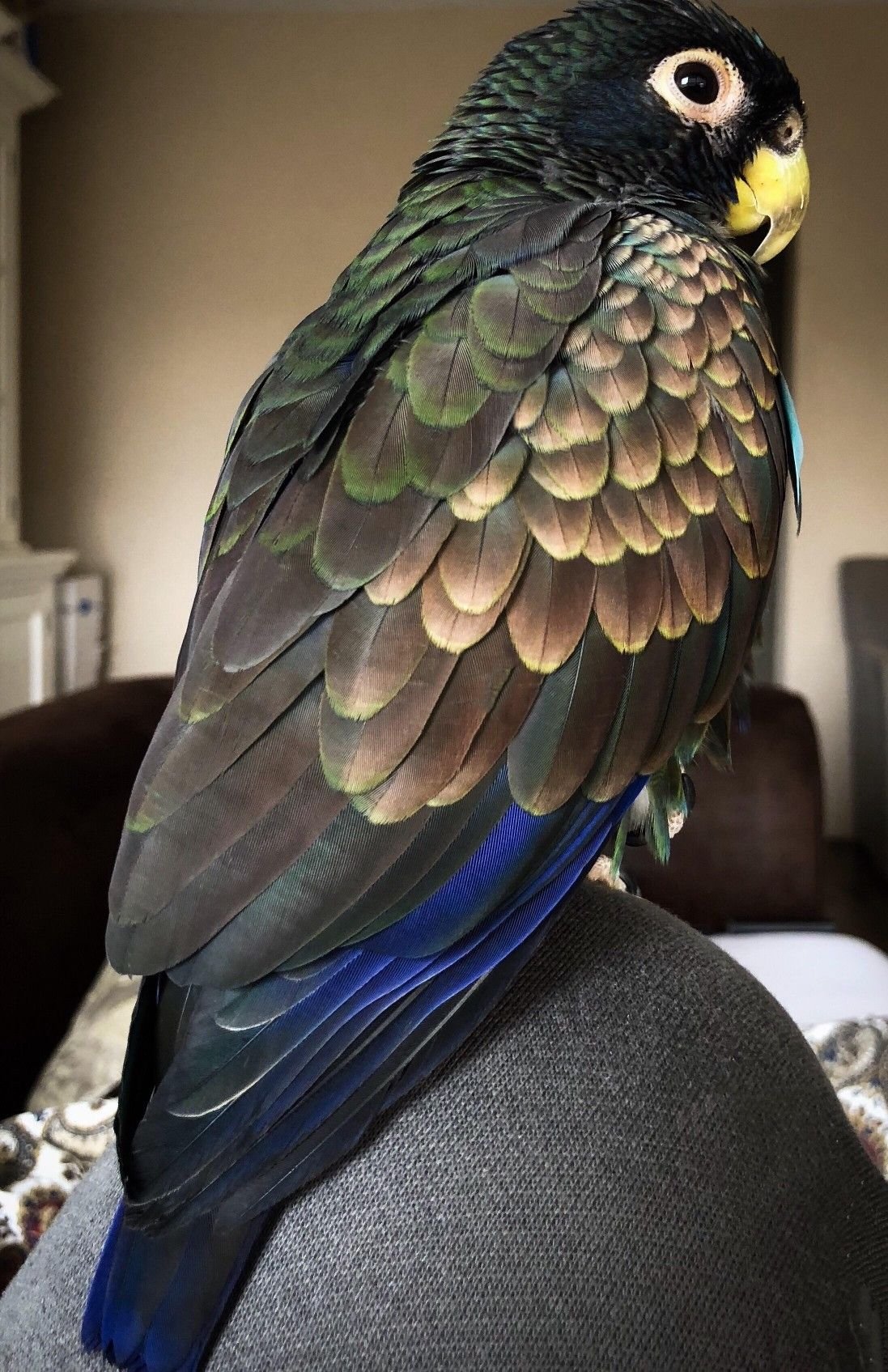
The Black Pawn Pionus appears as a commercial name for a Pionus companion parrot. Pionus parrots form a group of medium-sized New World parrots with compact bodies, strong bills, and intelligent personalities. Because the product name does not identify a particular species, confirm the exact species with the seller before purchase.
🥗 Balanced Diet
🏠 Secure Housing
🧩 Enrichment
🤝 Daily Interaction
Appearance and Personality
The Black Pawn Pionus name highlights a darker visual style. However, Pionus parrots can show different colors and patterns because several species and varieties exist. When you evaluate a bird, check its eyes, feathers, bill, feet, posture, and activity level. In addition, gentle handling can help reveal the bird’s individual personality.
Calm, Curious and Intelligent
Pionus parrots often show a calm and observant nature. They also enjoy exploring their surroundings and interacting with their owners. For example, simple training and foraging activities can provide useful mental stimulation. Therefore, a consistent daily routine can help your bird feel comfortable and engaged.
Diet and Nutrition
Start with a balanced formulated parrot diet and add suitable fresh vegetables and fruit. Also, provide clean drinking water every day. A varied diet helps support normal nutrition, while excessive treats and an unbalanced seed-heavy diet can create nutritional problems. For specific dietary changes, consult an avian veterinarian.
Fresh Water
Refresh drinking water regularly and clean the food and water bowls often. In addition, remove fresh food before it spoils.
Housing and Daily Environment
Give your Pionus enough space to climb, stretch, flap, and move between perches. Use natural branches with different diameters whenever possible. Also, keep the enclosure away from kitchen fumes, direct heat, and strong drafts. A clean and secure environment supports comfortable daily activity.
Enrichment and Interaction
Pionus parrots need more than food and a cage. Instead, provide safe activities that encourage movement, chewing, exploration, and problem-solving.
Offer suitable bird-safe materials for natural chewing.
Use simple food-search activities to encourage natural behavior.
Add safe branches, ropes, and climbing opportunities.
Spend regular, calm time talking and interacting with your bird.
Health and Routine Care
Check your bird each day for changes in appetite, activity, droppings, breathing, feathers, or behavior. Keep the cage clean and provide regular exercise. If you notice unusual breathing, persistent lethargy, poor appetite, or another sudden change, contact an avian veterinarian promptly.
Breeding and Nesting
Breeding details vary between Pionus species. Therefore, confirm the exact species before selecting a nest box or planning a breeding program. Experienced breeders should provide suitable nesting equipment, privacy, nutrition, and close monitoring throughout the breeding period.
Confirm the Bird’s Details
Because “Black Pawn Pionus” functions as a commercial listing name rather than a clearly defined species name, ask the seller for the bird’s scientific name. Also confirm its age, diet, health history, captive-bred status, and veterinary records before purchasing.
✓ Scientific Name
✓ Age
✓ Health Records
✓ Diet
Looking for another companion bird? Browse our
complete bird collection
to explore more parrots and other bird species.
Black Pawn Pionus Buyer Questions
Appearance and Personality
What is a Black Pawn Pionus?
Black Pawn Pionus appears online as a commercial listing name for a Pionus parrot. However, the name does not identify one recognized scientific species by itself. Therefore, buyers should ask the seller for the bird’s exact species and scientific name before making a purchase.
Are Pionus parrots good companion birds?
Yes, Pionus parrots can make engaging companion birds when owners meet their daily needs. They often show a calm and observant nature, while individual birds can differ in confidence and affection. In addition, regular interaction and gentle training can help build trust.
Are Pionus parrots noisy?
Pionus parrots can vocalize during normal daily activity, although many owners describe them as quieter than several larger parrot groups. However, each bird has its own voice and habits. A busy or noisy home can also encourage more vocal behavior.
Diet and Housing
What should I feed a Pionus parrot?
Start with a suitable formulated parrot diet and add appropriate vegetables and fruit. Also, provide fresh drinking water every day. A varied diet supports balanced nutrition; however, an avian veterinarian can provide more specific guidance based on the bird’s species, age, and health.
What cage does a Pionus parrot need?
Choose a secure enclosure that gives the bird enough room to stretch, flap, climb, and move between perches. Bigger housing provides more opportunities for exercise and enrichment. In addition, use safe natural perches with different diameters and keep the enclosure away from kitchen fumes and strong drafts.
What toys are good for a Pionus parrot?
Safe chewing toys, natural branches, ropes, climbing items, and foraging activities can provide useful enrichment. For example, you can hide small amounts of suitable food inside a safe foraging toy. Rotate toys regularly so the bird continues to explore its environment.
Care and Buying Questions
How long do Pionus parrots live?
Pionus parrots can live for many years with appropriate nutrition, housing, exercise, and veterinary care. Lafeber reports a potential lifespan of more than 30 years for Pionus parrots. Therefore, anyone considering a Pionus should prepare for a long-term commitment.
What should I check before buying a Black Pawn Pionus?
First, confirm the exact species and scientific name because “Black Pawn Pionus” does not identify a specific species. Next, ask about the bird’s age, diet, health history, socialization, captive-bred status, and veterinary records. Finally, observe the bird for normal alertness, activity, clean feathers, clear eyes, and healthy behavior before purchasing.