Description
Galah Cockatoo for Sale Online
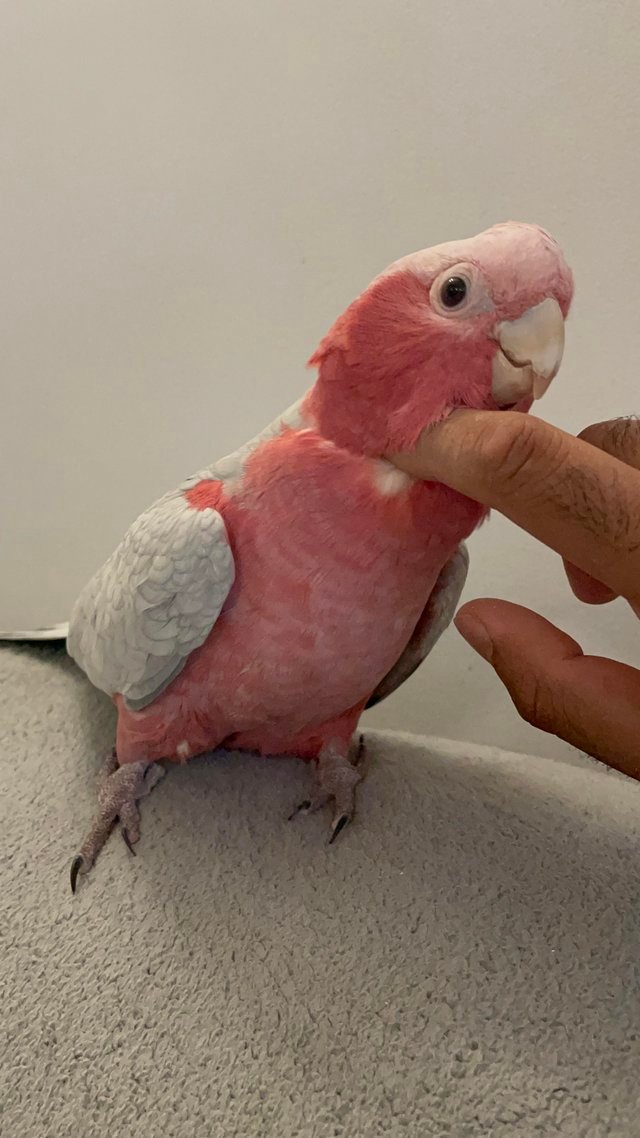
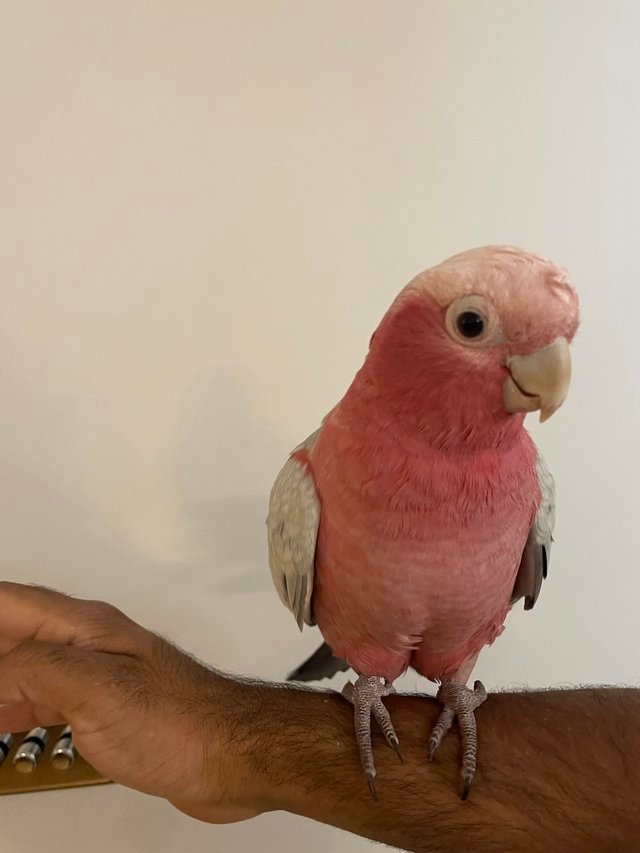
The Galah Cockatoo (Eolophus roseicapilla) is a familiar Australian parrot known for its soft pink plumage, grey wings, and lively flock behavior.
Galah
Eolophus roseicapilla
Australia
About 35 cm
270–400 g
Pink, Grey & Distinctive
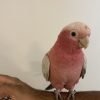
Galahs have a rose-pink head, neck, and underparts, while their back and wings are grey.
Their pale crown and pink coloration make them easy to recognize. ([australian.museum](https://australian.museum/learn/animals/birds/galah/))
Across Australia
Galahs occur across most of Australia and use many timbered habitats, usually near water.
They have also adapted well to agricultural areas, parks, and other human-modified environments.
([australian.museum](https://australian.museum/learn/animals/birds/galah/))
Seeds & Fresh Foods
Galahs mainly feed on seeds, especially grass and cultivated crop seeds.
They may also eat berries, buds, flowers, Eucalyptus seeds, and some insect larvae.
In captivity, provide a balanced diet with suitable fresh foods and clean water.
([parrots.org](https://parrots.org/encyclopedia/galah/))
Social Behavior
Galahs are highly social birds and often gather in large, noisy flocks.
They feed mainly on the ground and may travel long distances when searching for suitable feeding areas.
At night, large groups can gather at communal roosts. ([australian.museum](https://australian.museum/learn/animals/birds/galah/))
Galah Cockatoo Care
Galahs need spacious housing, strong perches, safe chewable materials, toys, bathing opportunities,
fresh water, and regular enrichment. The World Parrot Trust recommends a walk-in aviary with a minimum length of about 7 metres.
([parrots.org](https://parrots.org/encyclopedia/galah/))
Breeding & Nesting
Galahs usually nest in tree hollows lined with leaves.
Both parents incubate the eggs and care for the young. A typical clutch contains 3–4 eggs,
although larger clutches can occur. ([australian.museum](https://australian.museum/learn/animals/birds/galah/))
Conservation Status
The Galah is listed as Least Concern and under CITES Appendix II.
Its wild population is considered increasing, and the species has adapted successfully to many changed habitats.
([parrots.org](https://parrots.org/encyclopedia/galah/))
Explore More Birds
Browse our bird collection
or explore our Rainbow Lorikeet.
Galah Cockatoo FAQs
What is the scientific name of the Galah Cockatoo?
Its scientific name is Eolophus roseicapilla.
What does a Galah Cockatoo look like?
It has a pink head and underparts with grey wings, back, and undertail.
Where do Galah Cockatoos live?
They occur across most of Australia in a wide range of timbered and open habitats.
What do Galahs eat?
They mainly eat seeds, along with berries, buds, flowers, Eucalyptus seeds, and some insect larvae.
Are Galah Cockatoos social?
Yes. They commonly gather in large, noisy flocks and communal roosts.
How large is a Galah?
Adults are about 35–36 cm long and typically weigh around 270–400 g.
Where do Galahs build their nests?
They usually nest in tree hollows lined with leaves, with both parents caring for the young.