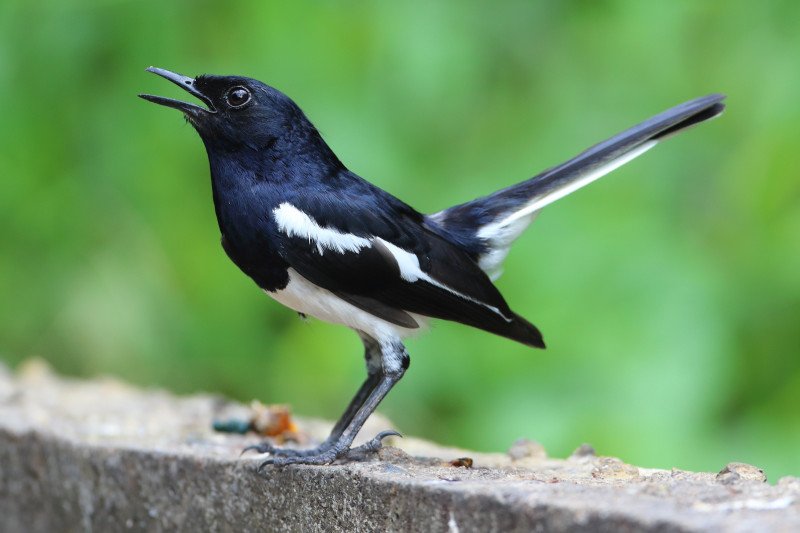
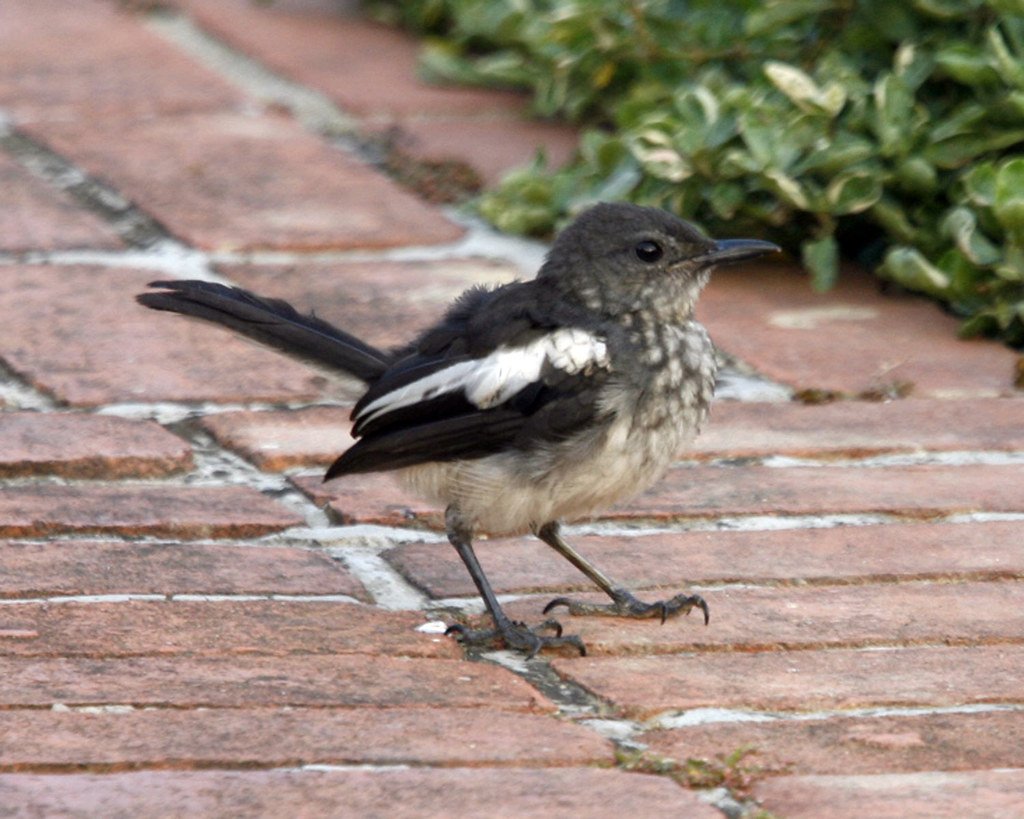
Description
Oriental Magpie for Sale Online
A national symbol across East Asia, only formally recognized as its own species in 2018.
🇰🇷 National Bird of Korea
This bird holds a rare distinction. For decades, South Korea has celebrated it as a symbol of good fortune, adopting it as the official bird of numerous cities and provinces. Then, in 2023, North Korea named it the country’s national bird too, replacing the Eurasian goshawk. As a result, few species carry this kind of shared cultural weight across a divided peninsula.
For most of the 20th century, scientists grouped this bird together with the Eurasian magpie as one widespread species. Eventually, though, genetic research told a different story. A 2018 DNA study found this population had been reproductively isolated for so long that it deserved species status on its own. Because of that isolation, researchers now treat it as fully distinct from its European cousin.
The Magpie Bridge Legend
A beloved East Asian folktale tells of two star-crossed lovers, separated across the sky and only allowed to meet once a year. According to the legend, magpies gather on that one night. Together, they form a bridge with their bodies so the lovers can finally cross to reunite. Even today, the story is still celebrated in festivals across Korea, China, and beyond.
How It Differs From the Eurasian Magpie
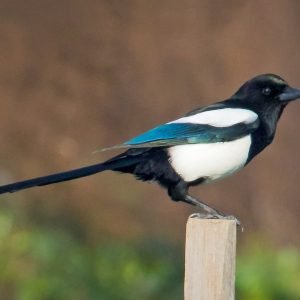
Side by side with a Eurasian Magpie, this species looks noticeably darker overall. Notably, less white shows in the plumage too. Its tail also runs proportionally shorter, while the bill and legs run slightly longer. On top of that, at around 18 inches long, it’s a touch smaller than its European relative.
Range and Habitat
This species ranges from southeastern Russia through the Korean Peninsula, eastern China, and Taiwan, then down into northern Myanmar and Indochina. In addition, a naturalized population exists in parts of Japan. Like other magpies, it builds large, domed nests with multiple chambers, usually placed high in tall trees.
Voice, Diet, and Daily Care
Loud, repeated “chack” calls carry across its territory. Often, these mix with fluting song notes and occasional mimicry. As an omnivore, this bird eats insects, small vertebrates, seeds, and fruit in the wild. Similarly, a quality softbill or omnivore diet, supplemented with fresh produce and occasional protein, works well in captivity. That said, as with any wild-type corvid, always confirm local regulations before buying or selling, since rules for native wild birds vary widely by country.
Buyer Questions
Is the Oriental Magpie really a separate species from the Eurasian Magpie?
Yes. A 2018 genetic study confirmed enough long-term isolation to classify it as its own distinct species.
Why is this bird important in Korean culture?
It’s considered a symbol of good fortune, and as a result, it now serves as the national bird of both South Korea and North Korea.
How do I tell it apart from a Eurasian Magpie?
Look for darker overall plumage, less white, a shorter tail, and a slightly longer bill and legs.
Where is this species found in the wild?
Its range spans southeastern Russia, Korea, eastern China, Taiwan, and parts of northern Myanmar and Indochina.
What should I feed an Oriental Magpie?
A quality softbill or omnivore diet, supplemented with fresh produce and occasional protein, works well in captivity.
Is this species endangered?
No. It’s classified as Least Concern, with a wide range and stable overall population.
What is the Magpie Bridge legend?
It’s a well-known East Asian folktale in which magpies form a bridge once a year to reunite two separated lovers.