Description
Yellow-Face Cockatiel for Sale Online
A rare mutation that erases the classic orange cheek patch, almost without a trace.
🇦🇺 Australian Origin
🐣 Sociable Companion
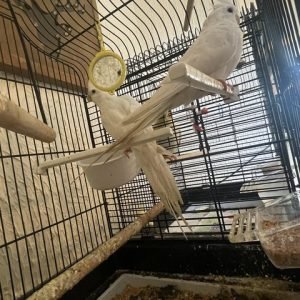
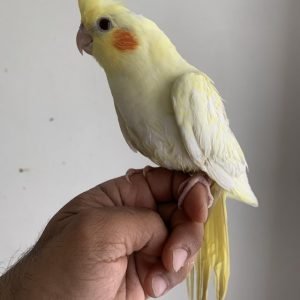
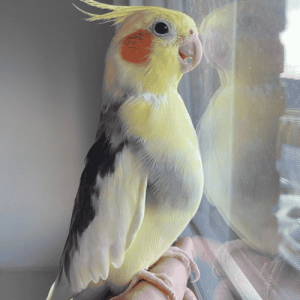
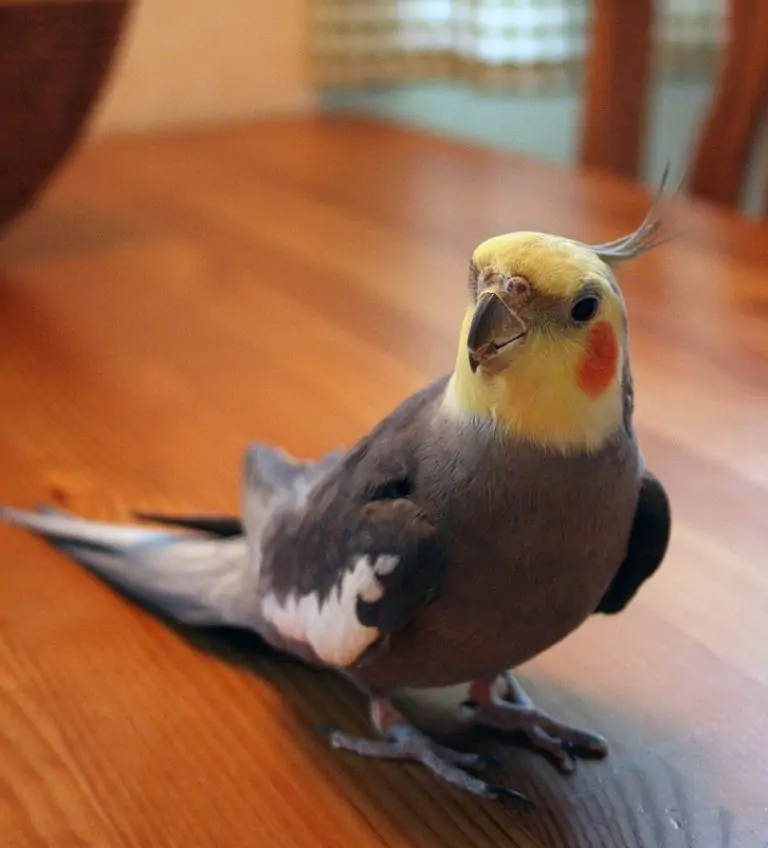
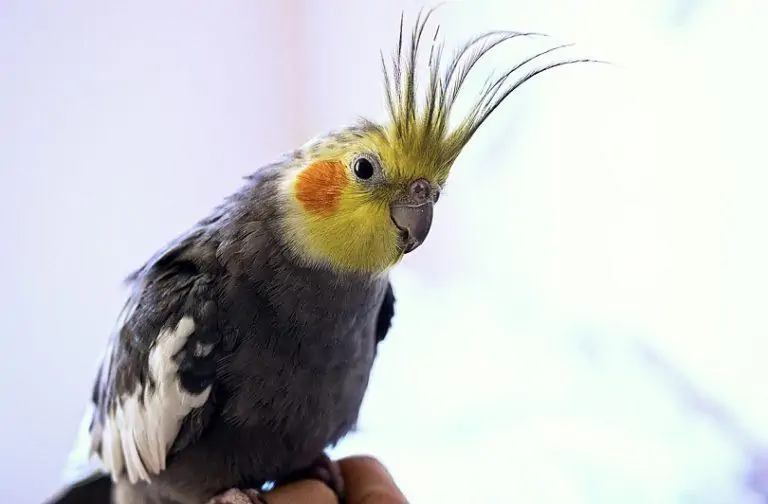
Here’s where this gets confusing. A normal grey male cockatiel already has a naturally yellow face, with a bright orange circle on each cheek standing out against it. The Yellow-Face mutation changes something more specific: it turns that orange cheek patch yellow too, so it blends into the surrounding face almost completely. The result looks subtly different from a standard male, with little to no visible cheek patch at all.
Cockatiels come from a single wild species, but captive breeding has produced a genuine rainbow of mutations over the decades. The Yellow-Face sits among the rarer ones, alongside the Emerald mutation, and it first turned up in Australian aviaries before spreading to breeders worldwide.
Males vs. Females
Males carry a yellow face overall, with that faded or absent cheek patch acting as the main identifying feature. Females stay closer to grey, as they would in any normal-colored cockatiel, but their cheek patches shift to a paler, softer yellow rather than the usual bright orange.
A Genuinely Uncommon Find
Because this mutation is recessive, both parents need to carry the gene for chicks to express it visibly. That genetic requirement, combined with how recently breeders identified the mutation, keeps Yellow-Face cockatiels considerably rarer than staples like Lutino or Pearl. If you’re drawn to unusual color combinations, this is one worth seeking out specifically rather than expecting at any random breeder.
Color mutation aside, this bird behaves exactly like any other cockatiel. Expect a gentle, affectionate companion that loves to whistle, often mimicking tunes it hears around the house. Compared with a louder parrot like a hand-fed cockatiel from a different color line, temperament stays consistent across the whole species, regardless of color.
Diet and Daily Care
A quality pellet diet, supplemented with fresh vegetables and occasional seed treats, keeps a cockatiel healthy at any color combination. Daily interaction matters too, since these birds bond closely with their owners and can become withdrawn without regular attention. With good care, most cockatiels live 15 to 20 years.
Buyer Questions
Isn’t every male cockatiel’s face already yellow?
Yes, which is exactly why this mutation is easy to misunderstand. It specifically changes the orange cheek patch to yellow, not the overall face color.
How can I tell males from females in this mutation?
Males show an overall yellow face with little visible cheek patch, while females stay grey with a pale yellow cheek patch instead of orange.
Is the Yellow-Face mutation rare?
Yes, it’s considered one of the rarer cockatiel mutations, since it requires both parents to carry the recessive gene.
Does color affect a cockatiel’s personality?
No. Temperament stays consistent across all cockatiel color mutations, including this one.
What should I feed a Yellow-Face Cockatiel?
A quality pellet diet with fresh vegetables and occasional seed treats supports good health at any color variety.
How long do cockatiels typically live?
With good care, most cockatiels live 15 to 20 years, regardless of their color mutation.
Where did this mutation first appear?
It was first identified in Australian aviaries before spreading to breeders in other parts of the world.