
Everything a first-time owner needs to know — cage setup, feeding, exercise, sleep, and the health signs worth watching for.
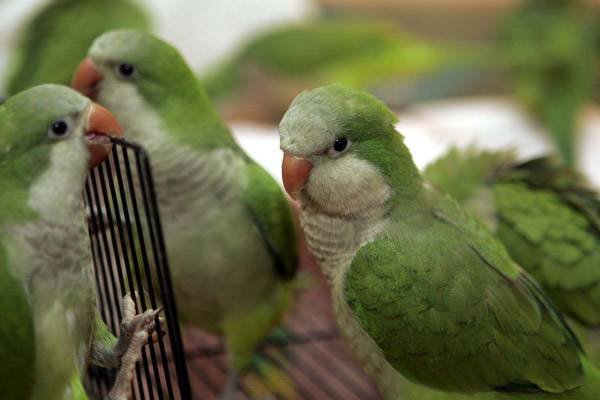
Parakeets fly horizontally rather than hopping up and down, so a wide cage beats a tall, narrow one every time. Give them room for a few perch sizes, easy-to-reach food and water dishes, and a couple of toys without overcrowding the space.
Keep the cage somewhere bright and social, away from direct sun, drafts, the kitchen, and anything smoky or heavily scented.
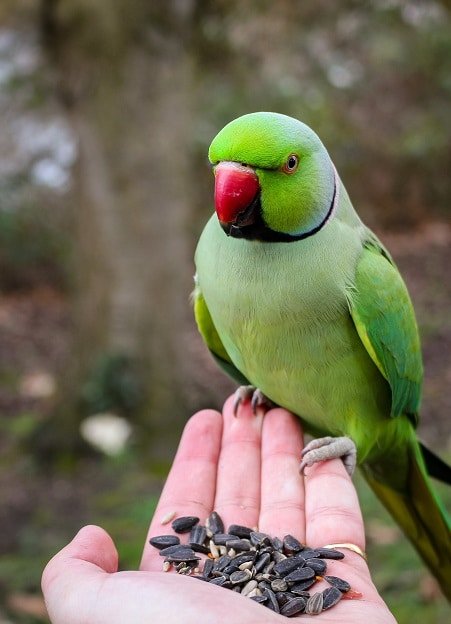
A seed-only diet leaves out a lot of what a parakeet actually needs. A better mix includes:
Avoid chocolate, avocado, caffeine, alcohol, and salty or sugary foods — some are genuinely toxic to birds.
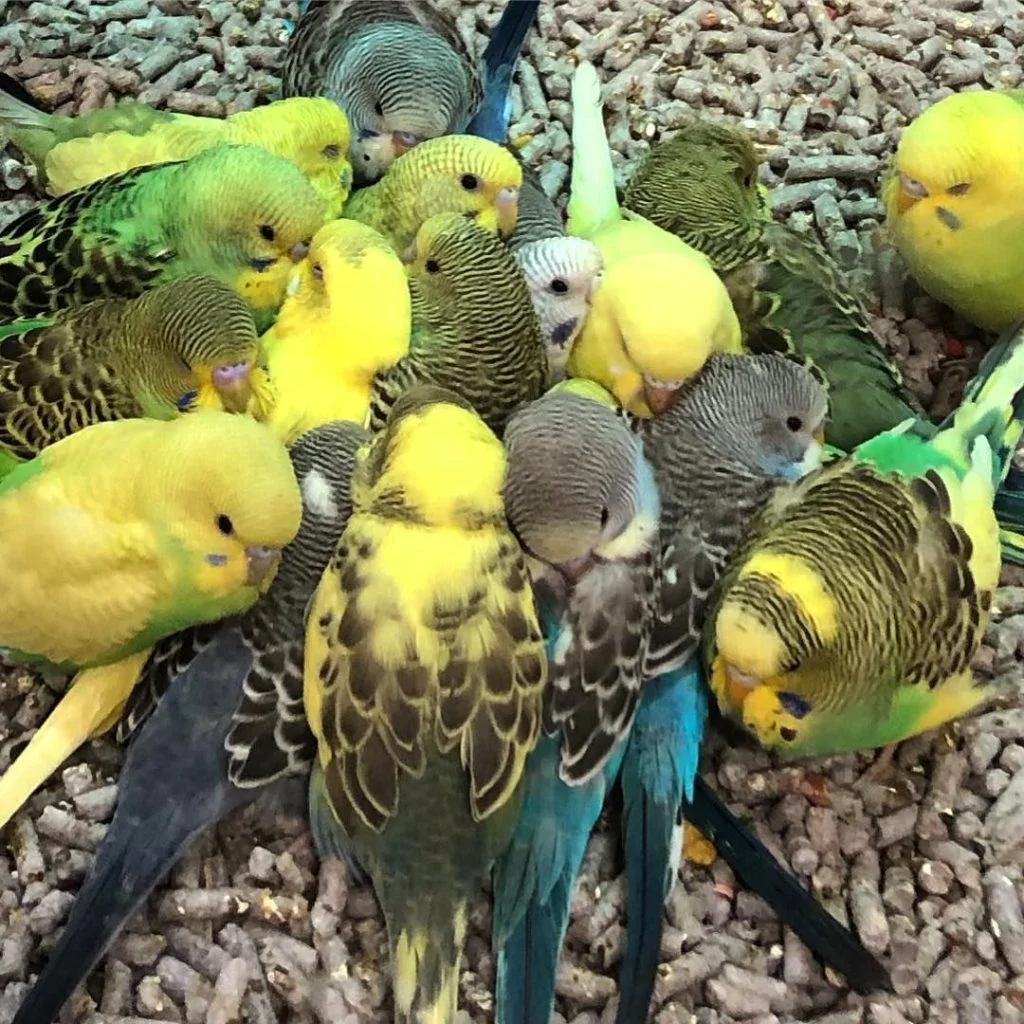
Boredom shows up fast as picking, screeching, or a flat mood. Toys for climbing, chewing, and swinging help — rotate them occasionally to keep things interesting. Supervised time outside the cage is great too, as long as the room is bird-proofed first.
Parakeets are social by nature and do best with real daily interaction. If you're hand-training, patience matters more than speed — let your bird set the pace.
Bowls contaminate fast with droppings and debris — check more than once a day, not just at feeding time.
Wipe bowls daily, swap liners regularly, and clean perches and toys when needed — it makes health changes easier to spot too.
Keep the sleeping area quiet, dark, and consistent — parakeets need more rest than people usually expect.
Birds instinctively hide illness, so it's on you to catch the subtle changes early. Watch for:
If any of these persist, contact an avian veterinarian rather than waiting it out.
A mix of quality pelleted food, bird-safe vegetables, occasional fruit, and seeds in moderation, plus fresh water every day.
They're beginner-friendly compared to many pet birds, but still need daily feeding, cage cleaning, social time, and occasional vet visits.
Yes, as long as it gets daily interaction from its owner — it's isolation, not solitude, that's the real problem.
About 10 to 12 hours of quiet, dark, uninterrupted sleep each night.
Browse healthy, well-socialized parakeets and everything you need to set up their new home.
Shop Parakeets & Supplies