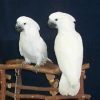

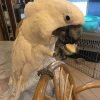
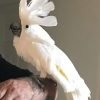
Description
Umbrella Cockatoo for Sale Online
Stunning, affectionate, and one of the most demanding companions in aviculture.
📊 Endangered
⏳ 40-70 Year Lifespan
Habitat loss and illegal trapping have pushed this species to Endangered status in the wild, and it’s regulated under CITES Appendix II. Always confirm captive-bred origin before buying, and ask for documentation.
This bird is not a casual pet. Expect screams that can exceed 100 decibels, a genuine need for hours of daily attention, and a real risk of feather plucking or destructive behavior if that need goes unmet. These issues fill rescue listings constantly, and they’re almost always separation and boredom problems rather than a flaw in the individual bird. If you can’t commit to that level of daily engagement for 40 to 70 years, a smaller or less demanding species will serve both you and the bird far better.
For keepers genuinely ready for the commitment, few birds reward you quite like this one. All-white, affectionate almost to a fault, and sharp enough to learn tricks and commands quickly, it’s earned the nickname “velcro bird” for how tightly it bonds with its favorite person.
Reading the Crest
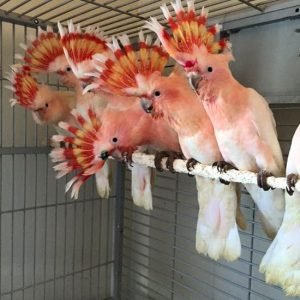
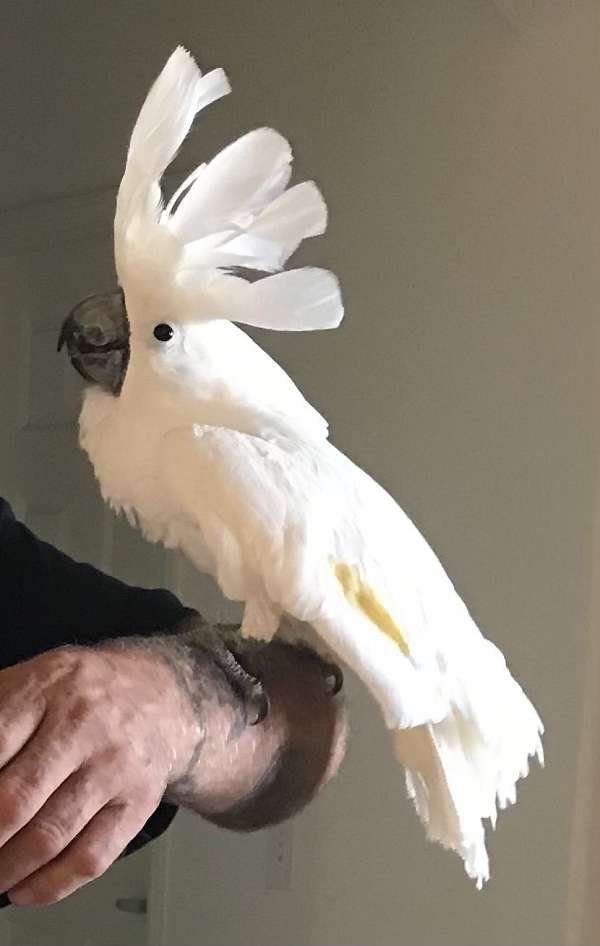
The crest that gives this bird its name does more than look dramatic. A fully raised crest usually signals excitement or alertness, while a crest held flat against the head means a relaxed, calm bird. Learning to read that signal gives you a real window into your bird’s mood before anything else, like body language or vocalizing, even comes into play.
A Hidden Detail Most People Miss
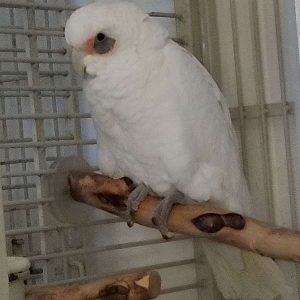
At a glance, this bird looks purely white. Look under the wings and tail, though, and a pale yellow tint shows through, usually hidden because the white edges of the surrounding feathers cover it. It’s a subtle detail, but spotting it in flight is a genuine treat for anyone who knows to look.
Range and Habitat
This species lives only on a small cluster of islands in North Maluku, Indonesia, occupying lowland tropical rainforest, mangroves, and agricultural edges. That limited range is exactly why habitat loss from logging and mining hits the wild population so hard, compounding the damage already done by illegal trapping.
Diet and Enrichment
Wild birds spend four to six hours a day foraging for seeds, nuts, fruit, and berries, which keeps them mentally and physically occupied. A captive bird that empties its food dish in minutes has far more idle time to fill, so foraging toys and puzzle feeders matter just as much as the pellet-and-produce diet itself in keeping this species genuinely content.
Buyer Questions
How loud is an Umbrella Cockatoo really?
Extremely loud. Screams can exceed 100 decibels, and soundproofing is genuinely worth considering before bringing one home.
Why do Umbrella Cockatoos pluck their feathers?
Usually boredom, separation anxiety, or insufficient mental stimulation, though a veterinary checkup should always rule out underlying health issues first.
Is this a good first parrot?
Generally, no. Its intense social needs and noise level make it better suited to experienced keepers ready for the commitment.
Is it legal to buy an Umbrella Cockatoo?
Yes, with proper documentation confirming captive-bred origin, since the species is CITES Appendix II and Endangered in the wild.
What does the crest tell me about my bird’s mood?
A raised crest usually signals excitement or alertness, while a flat crest means a calm, relaxed bird.
How long do Umbrella Cockatoos live?
Most live 40 to 70 years with good care, so this is one of the longest commitments in pet ownership.
What should I feed an Umbrella Cockatoo?
A quality pellet base with fresh fruit, vegetables, and nuts works well, paired with foraging toys to replace natural feeding time.