Description
Mallard Ducks
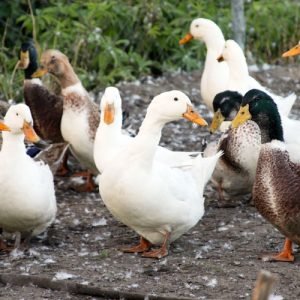
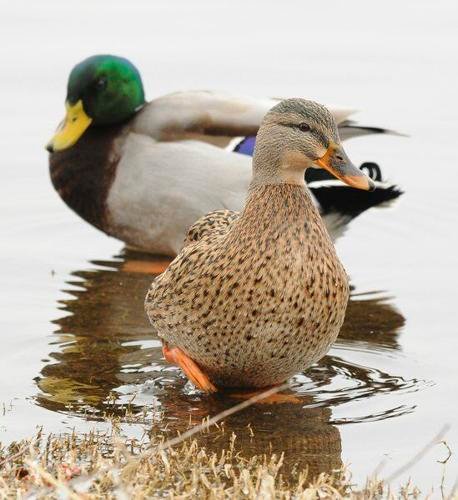
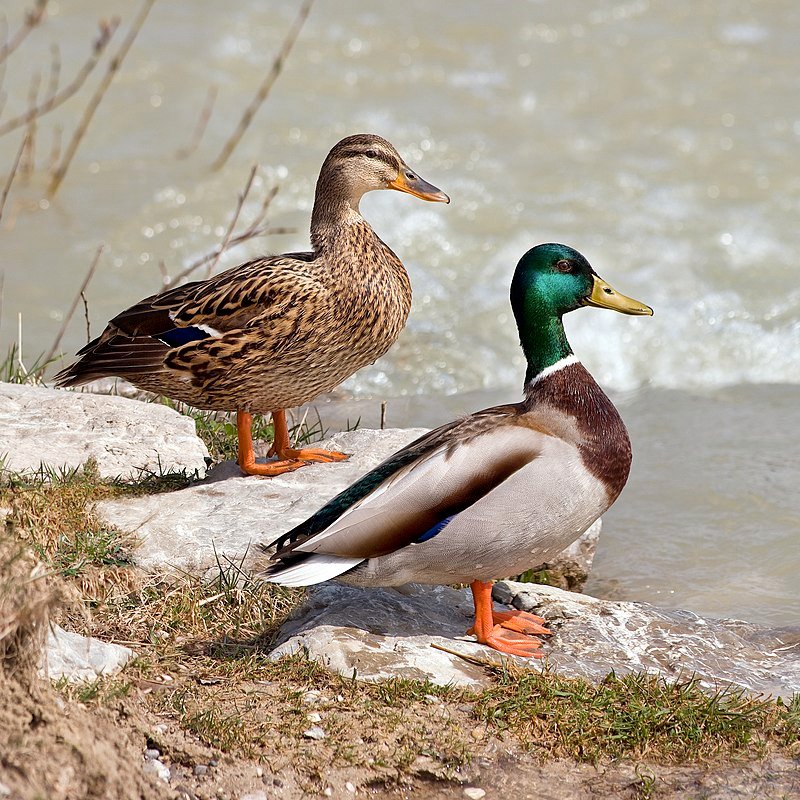
Mallard Ducks (Anas platyrhynchos) are among the world’s best-known waterfowl. Males have glossy green heads, yellow bills, white neck rings, brown chests, and gray bodies, while females display mottled brown plumage. These adaptable dabbling ducks thrive in a variety of wetland habitats.
Mallard Identification
Breeding males are easy to recognize by their iridescent green heads, bright yellow bills, white neck rings, brown chests, and gray bodies. Females have mottled brown feathers with orange-and-dark bills.
Both sexes display a blue wing patch bordered by white, which becomes especially visible during flight.
Mallard Habitat and Range
Mallards inhabit lakes, ponds, marshes, rivers, reservoirs, estuaries, farms, and city parks. Their adaptability allows them to thrive in both natural and human-made environments where food, water, and shelter are available.
A Classic Dabbling Duck
Mallards usually feed by tipping forward in shallow water rather than diving. Their broad bills help them collect aquatic plants, seeds, and small animals from the water and shoreline.
Mallard Diet and Feeding
Mallards are omnivorous and eat a variety of plant and animal foods, including aquatic vegetation, grasses, seeds, grains, roots, insects, snails, crustaceans, and worms.
During breeding, they may consume more animal matter, while seeds and grains become important at other times of the year.
Behaviour and Temperament
Mallards are active, alert ducks that often gather in groups. Those living around people can become surprisingly tame, while wild populations may remain cautious.
They are strong flyers and spend their days swimming, feeding, preening, resting, and exploring their surroundings.
Mallard Breeding and Nesting
Mallards usually nest on the ground in concealed vegetation close to water. A clutch contains several eggs, and incubation generally lasts 23–30 days.
Ducklings leave the nest soon after hatching, and the female leads them to suitable feeding areas.
Mallard Duck Care
Proper care includes protection from predators and extreme weather, a clean and dry shelter, fresh drinking water, and a nutritionally complete diet. Access to water for swimming or wading can also benefit them, particularly in warm conditions.
Explore More Waterfowl
Interested in other waterfowl? Explore the Snow Goose or browse our complete bird collection to discover more species.
Frequently Asked Questions About Mallard Ducks
Mallards are omnivorous and eat aquatic vegetation, grasses, seeds, grains, roots, insects, snails, worms, crustaceans, and other small animals. During breeding, animal foods can become more important. Captive Mallards need a balanced, nutritionally complete diet.
Mallards live around ponds, lakes, marshes, rivers, reservoirs, estuaries, farms, and city parks. They also adapt to managed water habitats when suitable food and shelter are available.
Males have iridescent green heads, yellow bills, white neck rings, brown chests, and gray bodies. Females have mottled brown plumage and orange-and-dark bills. Both sexes display a blue wing patch bordered by white. Outside the breeding season, males become browner but usually retain some characteristic markings.
Mallards are dabbling ducks rather than diving ducks. They usually tip forward in shallow water to reach food underwater. Although they can submerge their heads and necks and occasionally dive, this is not their normal feeding method.
Mallards usually nest on the ground in concealed areas close to water. Females choose sheltered spots beneath grass, leaves, or other vegetation and create shallow nests lined with plant material and down feathers. Some also use artificial or elevated nesting locations.
A Mallard clutch can contain approximately 1–13 eggs. The female handles incubation, which generally lasts 23–30 days. Ducklings hatch covered in down and leave the nest soon after hatching, following their mother to feeding and water areas.
Mallards need a safe environment protected from predators and extreme weather. Provide clean, dry shelter, fresh drinking water, and a nutritionally complete diet. Access to water for swimming or wading also supports their daily needs.
Mallard Duck Information