


Description
White Emus for Sale
A pale, striking color variant of Australia’s iconic ratite, prized on farms and in private collections alike.
📊 Least Concern
👁️ Blue Eyes
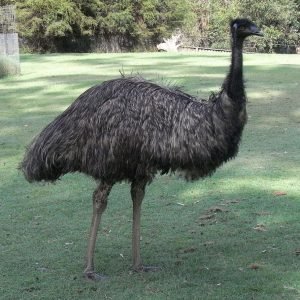
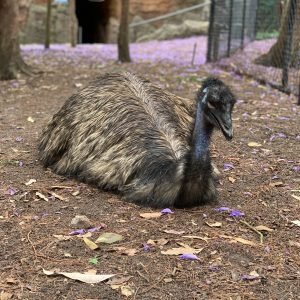
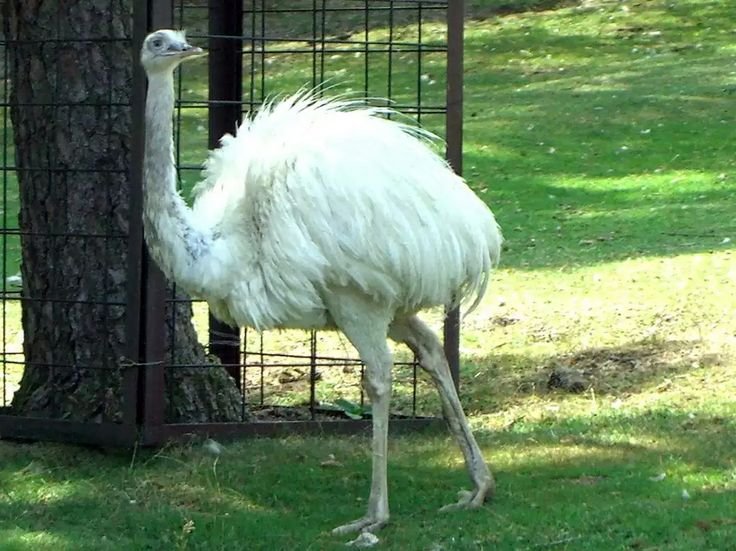
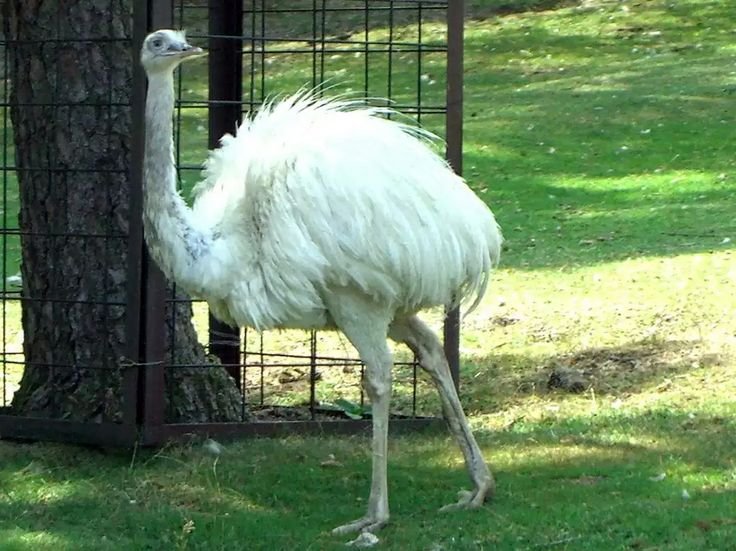
White Emus stand out immediately in any flock. Instead of the usual brown-grey feathering, these birds carry pale, almost cream-colored plumage from head to tail. The effect is striking, and it comes from genetics, not from any special breed. Underneath the color, this is the exact same Common Emu found across mainland Australia.
What Causes the White Coloring
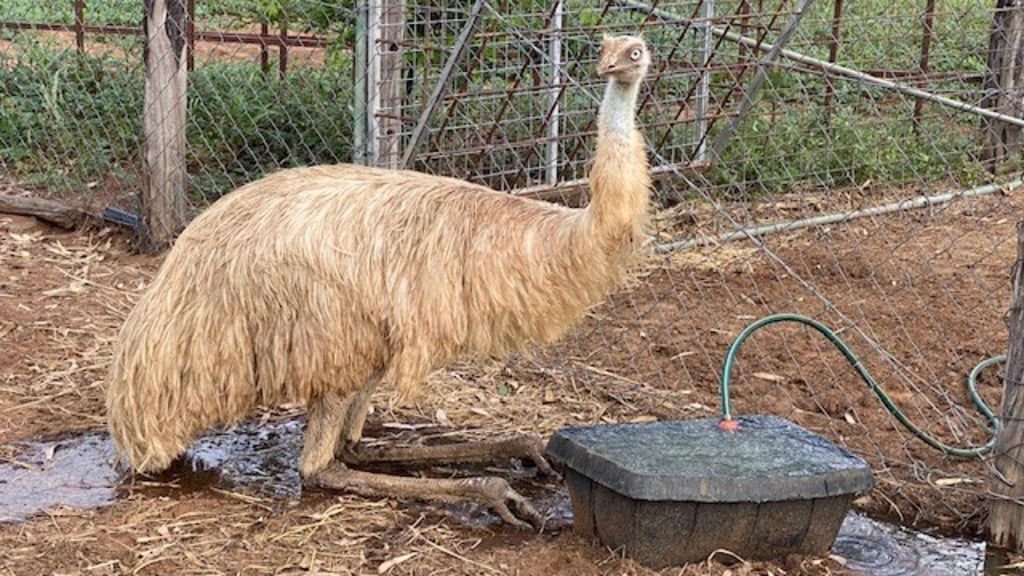
This color pattern comes from leucism, not albinism. The distinction matters. Albino animals lack pigment entirely and typically show pink or red eyes. White Emus, on the other hand, retain their natural blue eye color even with pale feathering. Breeders also recognize a related “blonde” variant, a lighter tan shade that results from carrying just one copy of the color gene rather than two.
Commercial emu farming took off in the United States and Australia during the 1980s, initially for meat and cosmetic oil production. Along the way, breeders began noticing and selecting for unusual color variants like this one. Today, White Emus remain a niche but established presence among ratite breeders and collectors.
Size and Behavior
Adult emus typically reach five to six feet in height and weigh between 90 and 150 pounds. Despite that size, they’re generally docile and easy to manage compared to other large ratites. They can run at speeds up to 30 miles per hour when startled, so secure fencing matters more than aggressive handling.
From Chick to Adult
Every emu chick hatches with the same black-and-white striped down, regardless of adult coloring. White and blonde chicks are identifiable early, though, since their stripes appear noticeably paler than a standard chick’s. Growth happens fast during this stage, so keepers should provide non-slip footing to protect developing legs from injury.
Diet and Daily Care
In the wild, emus forage on fruit, seeds, insects, and young plants. Captive diets should mirror that variety. A quality ratite feed works well as a daily base, supplemented with fresh greens and occasional fruit. Because these birds cover ground quickly, generous outdoor space matters just as much as diet for keeping them healthy.
Buyer Questions
Are White Emus a separate species?
No. They’re the same Common Emu species, just carrying a leucistic color gene that produces pale plumage instead of the standard brown-grey.
Is a White Emu the same as an albino emu?
No. Albino animals lack pigment entirely and show pink or red eyes. White Emus keep their natural blue eyes despite the pale feathering.
What’s the difference between “white” and “blonde” emus?
Blonde birds carry one copy of the color gene and show a lighter tan shade, while white birds carry two copies and appear noticeably paler overall.
How big do White Emus get?
Adults typically reach five to six feet tall and weigh between 90 and 150 pounds, matching standard emu sizing.
What should I feed a White Emu?
A quality ratite feed works as a base, supplemented with fresh greens and occasional fruit to round out the diet.
Are White Emus docile?
Generally yes. Emus tend to be manageable compared to other large ratites, though secure fencing still matters given their running speed.
Do White Emu chicks look different from standard chicks?
Yes. All emu chicks hatch with black-and-white stripes, but white and blonde chicks show noticeably paler striping from birth.