Description
Somali Ostrich for Sale Online
Buy today at our shop — the blue-necked ostrich of the Horn of Africa, recognized as its own species since 2014.
📊 Vulnerable
💙 Blue-Necked
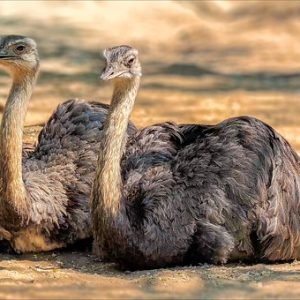
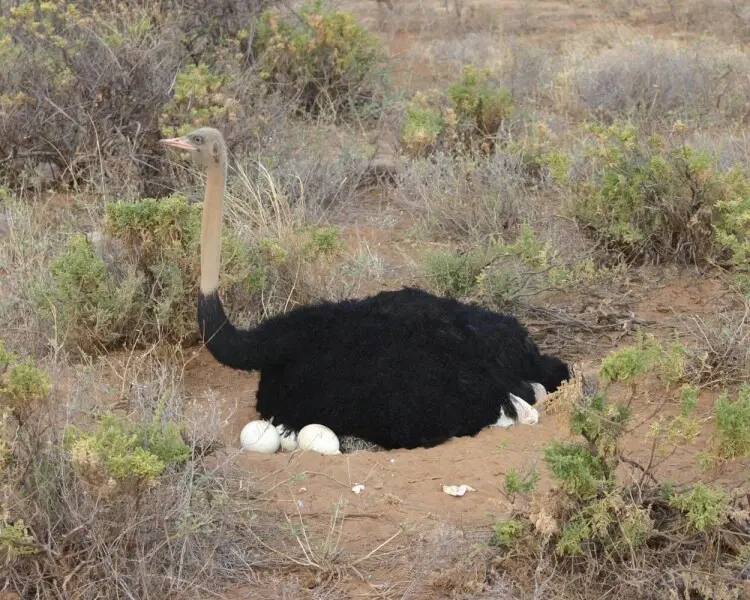
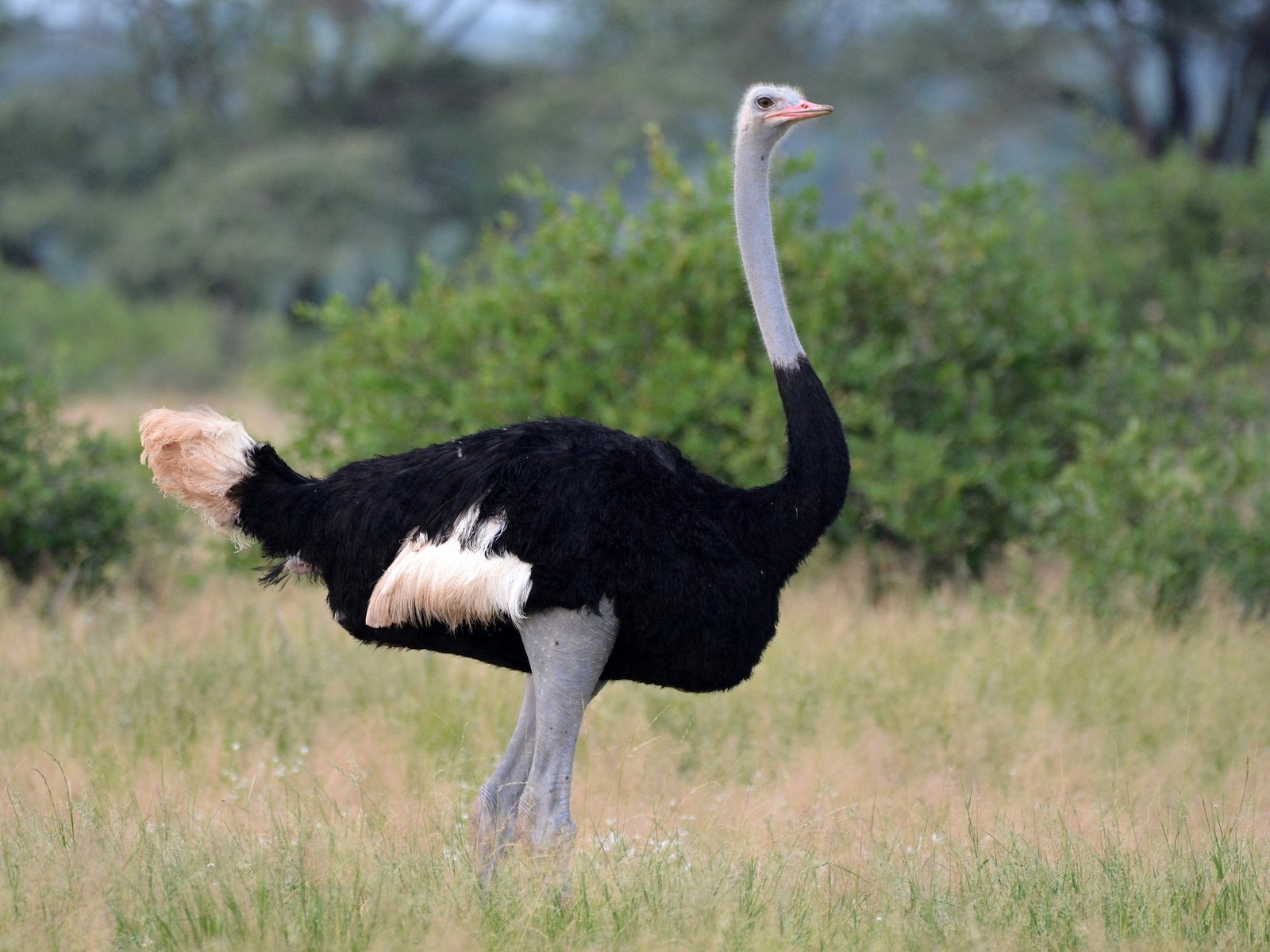
Most people picture pink when they think of ostrich skin. This species breaks that expectation entirely. Its neck and legs run a striking blue-grey, deepening to vivid blue on males during breeding season. That single feature earned it the nickname “blue-necked ostrich,” and it’s also the trait that finally convinced scientists this bird deserved species status of its own.
Somali vs. Common Ostrich
| Trait | Somali Ostrich | Common Ostrich |
|---|---|---|
| Neck & Leg Color | Blue-grey, brightening to vivid blue in breeding males | Pink to reddish, especially in breeding males |
| Neck Ring | No white ring at the base of the neck | Often shows a white neck ring |
| Native Range | Horn of Africa | Wide range across sub-Saharan Africa |
| IUCN Status | Vulnerable | Least Concern |
Political instability across parts of its native range left this species exposed to uncontrolled hunting for decades. In Kenya, however, sustainable ostrich farming has offered a real path forward. Choosing farmed, captive-bred stock supports that more sustainable model rather than pressure on shrinking wild populations.
Range and Habitat
This species occupies the Horn of Africa, spanning northeastern Ethiopia, southern Djibouti, much of Kenya, and Somalia. It favors thickly vegetated bushland rather than the open plains associated with other ostrich species, browsing on plant matter throughout these denser habitats.
Diet and Daily Care
As herbivores, wild birds browse heavily on plants, seeds, and fruit within their native bushland. Captive diets should follow a similar pattern. A quality ratite feed works well as a base, supplemented with fresh greens and occasional fruit. Given their size, generous outdoor space and secure fencing matter just as much as diet.
Buyer Questions
Is the Somali Ostrich really a separate species?
Yes. It was reclassified from a subspecies to its own full species in 2014, based on genetic and physical differences.
Why does this ostrich have blue skin instead of pink?
It’s a genetic trait unique to the species, intensifying to vivid blue in males specifically during breeding season.
Is this species endangered?
It’s currently classified as Vulnerable, mainly due to hunting pressure and habitat loss across parts of its range.
Why should I look for farmed, captive-bred stock?
Farmed stock supports a sustainable alternative to wild hunting, which has significantly reduced populations in parts of the species’ range.
Where does the Somali Ostrich live in the wild?
Its range covers the Horn of Africa, including parts of Ethiopia, Djibouti, Kenya, and Somalia.
What should I feed a Somali Ostrich?
A quality ratite feed works as a base, supplemented with fresh greens and occasional fruit to round out the diet.
How is it different from the Common Ostrich?
The clearest differences are the blue-grey neck coloring and the absence of a white neck ring, along with a more restricted native range.